Connect with us

News

Frank Talk: Nigeria Should Split If It Will Solve Our Challenges – Soyinka

Published

on

ADVERTISEMENT
Zoom Ad
ADVERTISEMENT
Zoom Ad

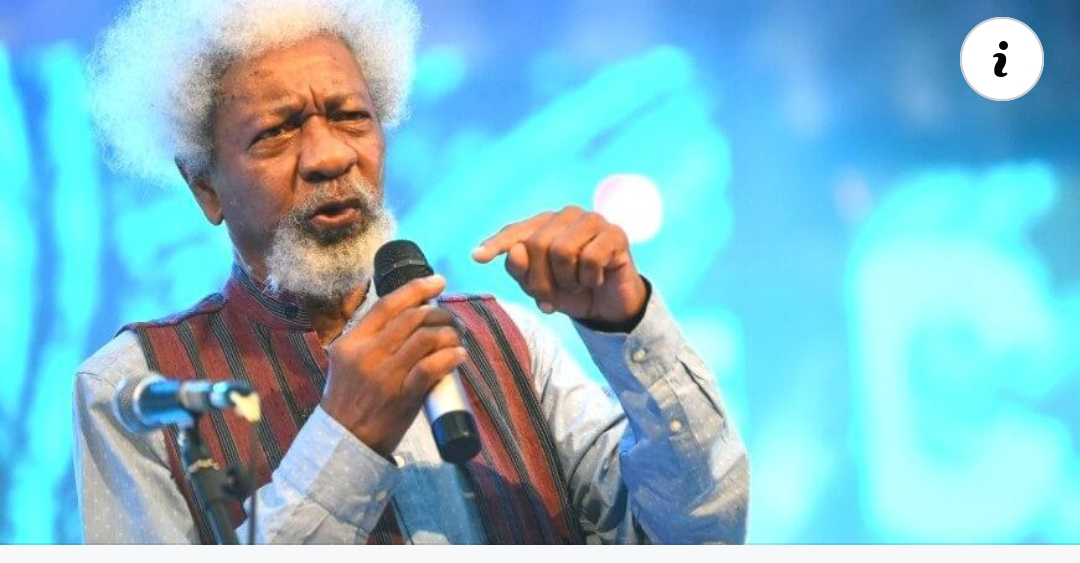
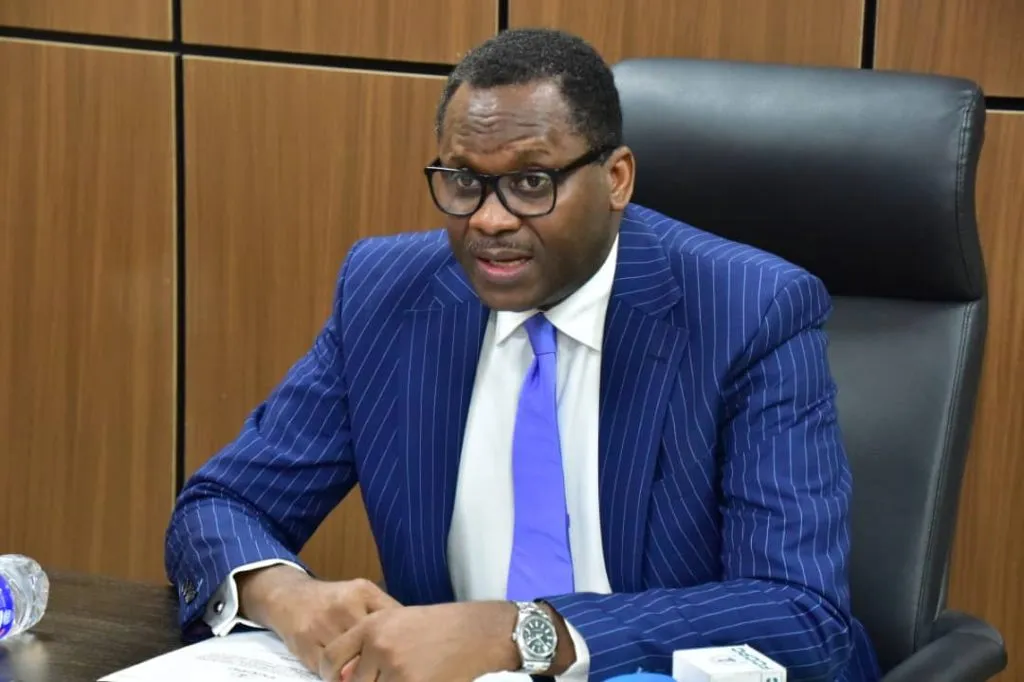
Nobel Laureate, Prof Wole Soyinka, on Thursday, said Nigeria should break up if the path would solve the country’s challenges.


Soyinka said this at the PUNCH Newspapers’ 50th-anniversary lecture held in Lagos.

Delivering his lecture titled ‘Recovering the Narrative’, Soyinka said Nigeria should decentralised for Nigerians to enjoy the country more.

The lecture, which was delivered by the Nobel laureate, is part of the weeklong activities marking the 50th anniversary of PUNCH.

Advertisement

The elder statesman said decentralisation would allow governance to get closer to the people, adding that it was high time for leaders to stop taking Nigerians for a ride.

“I know the fear. The fear is collapse, break up. That’s been the excuse given by several regimes. But suppose the nation is breaking up informally, in other words as a fact rather than as a theory. Then, and you better just address this. Come straight on and see exactly what happened. What is wrong with general representatives seeing them and saying this is the protocol of our association, Anything outside of it? Anyone who does not want to accept these protocols, abide by these protocols and manifest these protocols in the act should take a walk. I have no problem at all.

“We live in what is known as the nation beginning as a vast football field is ending up as a ping pong table. If that is going to restore dignity to citizens. If that is going to guarantee three square meals a day then so be it. One of my favourite expressions with people is “Let nations die, that humanity may live.”

He explained that while Nigerian politicians know the importance of restructuring, they change their tune when they get to power.

Advertisement

He said, “What do you mean by restructuring? Well, I don’t even like the word restructuring. I use, I prefer expressions like reconfiguration and decentralisation. Everybody can grasp that, decentralisation. And those who lead, recognise the necessity of it. They recognise the importance, almost the inevitability of it until they get into power, yes, that’s the difference.

“It’s about time, I think leaders stopped taking this nation for a ride, you know, we must decentralise. Security, you know, has become a burden to bear. From all corners of the nation, that is the crime.

“Decentralised so that government can come closer to the people, and productivity can really be manifested as a product of citizens, not simply as a manna from heaven.”

Founded in March 1973, PUNCH, Nigeria’s foremost newspaper, clocked 50 on March 18 last year but its board of directors moved the 50th-anniversary celebration to this year because the anniversary month fell within an election month and year.

Advertisement

The 50th anniversary is being marked with the 40th anniversary of the passing of PUNCH founding Chairman, the late Chief James Olubunmi Aboderin, who died on February 28, 1984, at the age of 50.
Continue Reading
Advertisement

News

Major Boost for Atiku as ADC Faction Ends Feud, Resolves to Work for Party’s Victory

Published

on

ADVERTISEMENT
Zoom Ad
ADVERTISEMENT
Zoom Ad

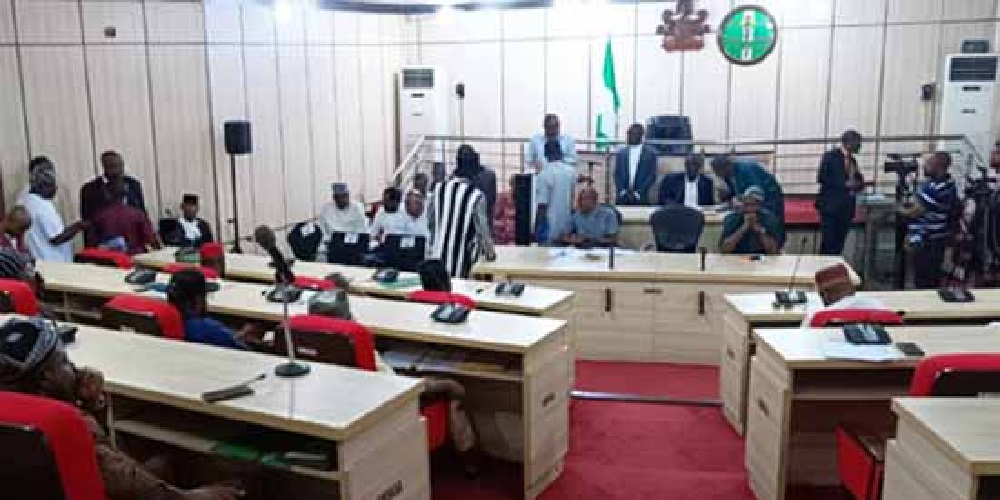
The African Democratic Congress (ADC) in Adamawa State has resolved its internal crisis, with party stakeholders pledging to work for the victory of the party’s presidential candidate, former Vice President Atiku Abubakar, and other candidates in the 2027 general elections.

The development is seen as a major boost to Atiku’s campaign in the state, where the party had been divided over the leadership of its state chapter and the authentic governorship candidate.

The crisis had resulted in the emergence of two parallel state executive committees led by Barrister Ibrahim Sadiq Dasin and Sai’du Naira.

However, the factions appear to be closing ranks following a meeting between the newly appointed Acting State Chairman of the ADC, Sai’du Naira, and ward chairmen and state executive members from the Adamawa Central Senatorial Zone.

Advertisement

The meeting, held at the ADC Secretariat over the weekend, focused on loyalty, unity and the promotion of internal democracy within the party.

Speaking at the meeting, Naira expressed satisfaction with the cooperation of the party’s state executive members and urged them to remain committed to rebuilding the ADC.

He reaffirmed the faction’s loyalty to the national leadership of the party under former Senate President, Senator David Mark, and pledged to work towards strengthening the party across the 226 political wards in Adamawa State’s 21 local government areas.

Naira said the ADC had regained its strength after emerging from what he described as an unnecessary internal crisis, promising that transparency and honesty would guide his leadership of the party.

Advertisement

“Honestly, ADC as a party almost collapsed because of the way the suspended leader was handling the affairs of the party,” Naira said.

He, however, commended party members who, according to him, took the necessary legal steps to resolve the crisis.

“But thank God that those with the love and interest of the party at heart did all that was legally necessary to push them aside,” he added.

Naira subsequently called on members to intensify their efforts ahead of the 2027 elections, stressing the need for collective commitment to the party’s success.

Advertisement

“We urge you all to work day and night for the progress and victory of former Vice President Atiku Abubakar and all other ADC candidates seeking elective positions,” he said.

The latest development could strengthen the ADC’s structure in Adamawa and provide greater cohesion for Atiku’s presidential campaign as opposition parties intensify preparations for the 2027 elections.

Continue Reading

News

Paternity Tests: 1 In 4 Men Not Biological Fathers Of Their Children

Published

on

ADVERTISEMENT
Zoom Ad
ADVERTISEMENT
Zoom Ad

About one in four paternity tests conducted by Smart DNA Nigeria returned negative results in its 2025/2026 reporting period, its latest annual DNA Testing Report has revealed.

The company, in a statement on Sunday, August 22, 2026 in Lagos, said the report confirmed that 23.6 per cent of recorded paternity test outcomes were negative, meaning the tested man was not the biological father.

According to the report, the negative paternity outcome declined marginally from 24.0 per cent in the preceding year and 26.1 per cent in 2023.

The report, however, cautioned against interpreting the figure as evidence that one in four Nigerian children is not biologically related to the man regarded as the father.

Advertisement

It stressed that its clients were people who had already developed sufficient doubts or reasons to seek DNA testing.

The report also revealed that 87 per cent of DNA tests conducted were ‘Peace of Mind tests’, representing private, self-initiated tests undertaken outside legal, immigration or court proceedings.

It said the proportion increased from 83.7 per cent in the preceding reporting period, indicating that personal concerns and the desire for certainty largely drove DNA testing in Nigeria.

Immigration-related tests accounted for 9.7 per cent, legal tests 1.9 per cent, avuncular tests one per cent, while prenatal testing represented 0.4 per cent of recorded cases.

Advertisement

The report further showed that older men accounted for the majority of male clients seeking DNA tests, with men aged 41 years and above representing 48 per cent of age-classified male records.

Men aged between 31 and 40 accounted for another 35.8 per cent, meaning that men above 30 constituted 83.8 per cent of the male testing population.

On the other hand, 59.5 per cent of tested individuals were children aged five years and below, a figure that remained virtually unchanged from the previous reporting period.

The company said the concentration of testing among younger children suggested that many families preferred to resolve questions surrounding biological relationships early, although the data could not establish the reasons behind the trend.

Advertisement

Geographically, Lagos accounted for 75.1 per cent of all classified cases, rising from 69 per cent in the preceding period.

Lekki recorded the highest number of named locations in Lagos, followed by Ajah, Ikorodu, Yaba and Ikeja, while Lagos Mainland accounted for 61.6 per cent of Lagos cases with specific location classifications.

Outside Lagos, Ogun recorded the highest testing activity, followed by Delta, Oyo, Rivers, Enugu, Edo, Abuja, Imo and Kwara.

The report said testing activity outside Lagos increased during the period, suggesting that awareness and demand for DNA testing were gradually spreading across other parts of the country.

Advertisement

It further revealed that men initiated 78.6 per cent of recorded first contacts with the company, compared with 15.2 per cent by women.

The ethnic distribution of clients was led by Yoruba at 52.6 per cent, followed by Igbo at 29.1 per cent, Edo at 5.8 per cent and a combined 5.4 per cent for Delta, Ijaw, Isoko, Urhobo and Itsekiri groups.

The Hausa accounted for one per cent.

Smart DNA said the figures reflected its geographical and client base rather than differences in paternity behaviour among ethnic groups.

Advertisement

The company also warned that its findings should not be generalised to the entire Nigerian population, stressing that its clients were not a random sample of Nigerian families.

It said the 23.6 per cent negative result represented its testing population, a group in which doubts about biological relationships already existed and therefore could not be used to estimate the prevalence of non-paternity across Nigeria.

The report maintained that while DNA testing could provide highly accurate answers to biological questions, it could not independently explain the social, cultural, economic or relationship circumstances that led families to seek such tests.

Advertisement
Continue Reading

News

JAMB unveils new system, permits candidates to upload their O’Level results from homes

Published

on

ADVERTISEMENT
Zoom Ad
ADVERTISEMENT
Zoom Ad

The Joint Admissions and Matriculation Board (JAMB) has unveiled a new system allowing candidates to upload their O’Level results from the comfort of their homes, while the Board verifies the results directly with the relevant examination bodies.

Acting Director, Public Affairs and Protocol, JAMB, Dr Fabian Benjamin, who announced this in a statement on Monday, said the initiative, which begins with the West African Examinations Council (WAEC), is aimed at making the process of O’Level result verification and upload easier, faster, safer and more convenient for candidates.

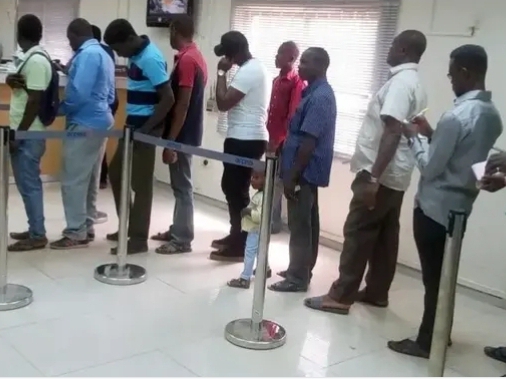
According to him, under the new arrangement, candidates would no longer need to visit Computer-Based Test (CBT) centres solely for the purpose of uploading their O’Level results, noting that JAMB would verify their results directly against records held by the issuing examination bodies before the results are uploaded to their profiles.

Benjamin said the initiative was part of the Board’s renewed commitment to deploying technology to improve service delivery and reduce unnecessary visits to CBT centres, queues and manual processes.

Advertisement

He added that the new system would also address challenges associated with manual O’Level result uploads, including misplaced or mixed-up paper results, submission of unverified or fraudulent results, as well as errors in the manual entry of subjects and grades.

The Board explained that the integration of its e-Facility platform with examination bodies would enable candidates’ results to be verified directly against the records of the issuing bodies before being downloaded into their JAMB profiles.

The JAMB spokesperson explained that to use the service, candidates are required to first obtain a Result Verification Code, adding that they are to visit buyresultsverificationcode.ng, enter their National Identification Number (NIN) and verify it, after which they will select the number of sittings and the relevant examination body or bodies.

“Candidates will then provide their email address and GSM number, make payment through the available payment options and enter their examination details, including examination number, series and year.

Advertisement

“After successful verification, candidates will obtain a Verification Code. The second stage involves sending ‘VERIFY’ followed by the Verification Code to 55019 or 66019.

“The result will then be uploaded and the candidate will receive a notification. Candidates with two sittings will subsequently be directed to their profiles on JAMB’s e-Facility platform, where they will select 2026 UTME O’Level Upload.

“They will enter their Verification Code, after which their two verified results will be displayed. Candidates are required to select a minimum of five and a maximum of nine subjects, ensuring that no subject is selected more than once, before clicking ‘Apply the O’Level Results’ to complete the process,” the Board stated.

Benjamin further stated that the verification service would provide candidates with a convenient alternative, particularly during periods of high patronage and network challenges at CBT centres.

Advertisement

According to him, the initiative reflects the commitment of the Board’s sixth Registrar, Prof Segun Aina, to building a more customer-oriented and technology-driven service delivery system.

He added that the Board would continue to deploy technology and collaborate with relevant examination and government agencies to make its services simpler, safer and more accessible to candidates. (Nigerian Tribune)

Continue Reading

Trending

Copyright © 2024 Naija Blitz News