Connect with us

News

Just In : ‘Pure’ water producers on strike over production costs

Published

on

ADVERTISEMENT
Zoom Ad
ADVERTISEMENT
Zoom Ad

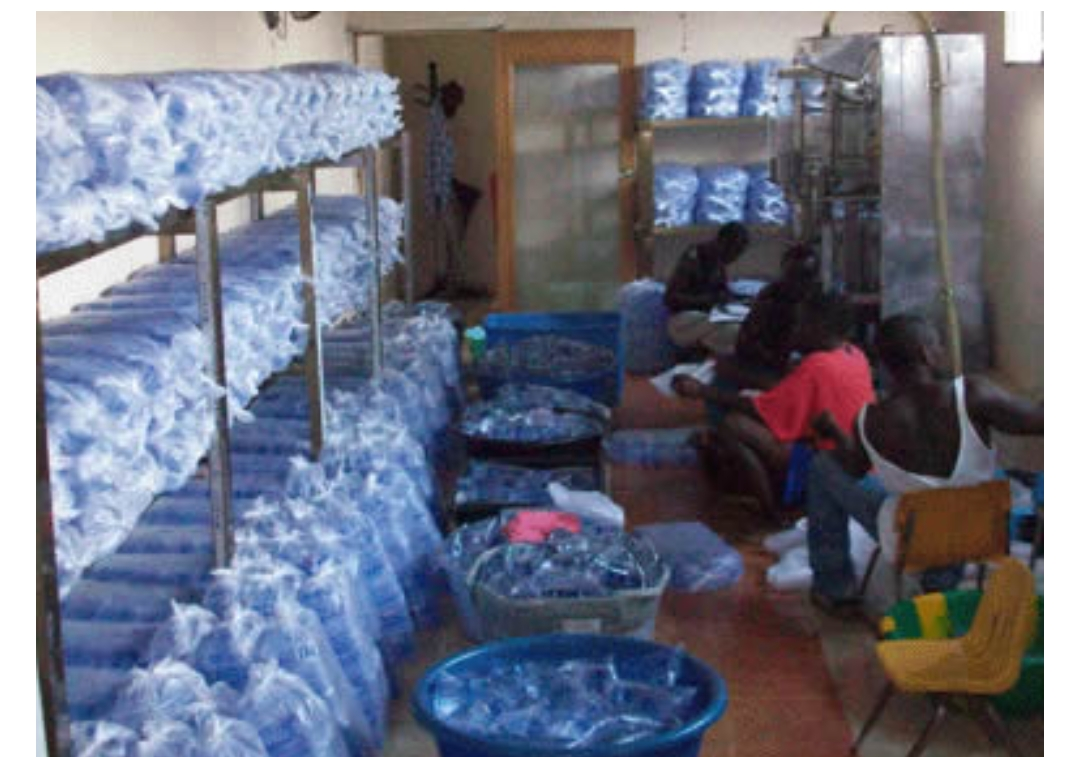
Producers of pure water in Effurun, Jeddo and Warri in Delta State, have embarked on a three-day strike which commenced on Friday, 15th March 2024.

They claimed that the strike became imperative “as the cost of production continues to bite harder on small business owners across the country.”

This was contained in a statement signed by the coordinator of producers of sachet water in the said areas, Cletus Ebohon, which was made available to journalists in Warri on Friday.

According to the statement, the price of a bag of sachet water would now sell for N450, unlike the previous N350, with effect from Monday, March 18, 2024.


Advertisement
Continue Reading
Advertisement

News

ECOWAS Parliament Maps Out Strategy to Tackle Irregular Migration Across West Africa

Published

on

ADVERTISEMENT
Zoom Ad
ADVERTISEMENT
Zoom Ad

By Gloria Ikibah

Members of the ECOWAS Parliament have identified the key drivers of irregular migration across The Gambia and the wider West African region, while proposing a broad range of measures aimed at addressing the growing challenge.

The findings were presented by the forth Deputy Speaker,  Hon. Billay Tunkara at the end of a Parliamentary Citizens’ Engagement on the Dangers of Irregular Migration and Modern Slavery, held in Banjul, The Gambia, from 6 to 10 July 2026.

Speaking on behalf of the parliamentary mission, Tunkara said the engagement reflected the regional parliament’s commitment to ensuring that citizens’ concerns shape policy decisions across the ECOWAS region.

Advertisement

He said: “Such solutions requires listening to communities, empowering young people, supporting survivors and returnees, strengthening families and creating opportunities that enable young people to choose hope, dignity and prosperity at home, rather than the risk of irregular migration.”

According to the report, participants consistently pointed to unemployment, underemployment, poverty, limited access to education and vocational training, as well as inadequate economic opportunities, as the main factors pushing young people towards dangerous migration routes.

The findings stated: “Many young people expressed the view that the opportunities currently available within the country (The Gambia) do not provide a realistic pathway to secure a prosperous future, thereby reinforcing the perception that migration offers a few viable means to improve their livelihood.”

The parliamentarians also found that family expectations, peer influence and misleading portrayals on social media continue to fuel irregular migration.

Advertisement

“Images and stories portraying migrants as successful abroad, together with the financial support sometimes provided by family members to facilitate irregular journeys, continue to encourage young people to migrate despite the known dangers”, the report noted.

The mission further revealed that testimonies from survivors and returnees painted a grim picture of the realities behind irregular migration.

“The testimonies of returnees and survivors confirmed that irregular migration and trafficking in persons are not abstract concerns but lived experience marked by deception, exploitation, forced labour, abuse, detention, family separation, and severe psychosocial trauma”, the report further noted.

Despite these experiences, the lawmakers observed that returnees could become powerful advocates against irregular migration.

Advertisement

“Participants nevertheless recognized that survivors and returnees can become powerful advocates for prevention. Their testimonies constitute one of the most credible means of sensitising young people in communities” it added.

The delegation stressed that awareness campaigns alone would not solve the problem unless they were backed by meaningful economic opportunities.

“Participants emphasized that awareness raising alone is insufficient to curb irregular migration, since the system must be accompanied by meaningful employment, entrepreneurial support, vocational skill development, agricultural modernisation, access to financing, and sustained investment in youth employment”, report stated.

The report also underscored the need to strengthen support systems for returnees.
“Social reintegration requires not only financial assistance, but also psychosocial care, skills development, livelihood support, job placements, community acceptance, and protection from stigma.

Advertisement

“Participants stressed the need for stronger legislation, more effective enforcement and penalties capable of deterring offenders and dismantling organised criminal networks.”
The engagement further highlighted the importance of direct interaction between lawmakers and citizens in shaping effective policies.

“The engagement also reaffirmed the value of direct interaction between parliamentarians and citizens. The combination of community-based dialogue, local language communication, survivors’ testimonies and support-based outreach helped strengthen trust, promote greater public awareness and encourage meaningful participation of young people and other community members”, it stated.

At the conclusion of the exercise, the ECOWAS Parliament recommended that member states prioritise job creation through greater investment in technology, technical education and vocational training centres.

The lawmakers also called for stronger legislation and closer cross-border collaboration to combat migrant smuggling and human trafficking, alongside improved intelligence sharing among security agencies.

Advertisement

Other recommendations included the establishment of comprehensive reintegration centres offering psychosocial support, vocational training, entrepreneurship assistance, business development services and employment opportunities for returnees and survivors.

The parliament also urged governments to expand access to affordable financing for young entrepreneurs, strengthen investment in education and agricultural training, modernise technical institutions, and incorporate lessons on irregular migration and human trafficking into school curricula.

The report further recommended increased investment in border surveillance technology, faster passage and implementation of The Gambia’s Immigration Bill, and a review of existing anti-trafficking laws to reflect emerging trends.

It also encouraged greater involvement of traditional rulers, religious leaders, civil society organisations, families and the media in sustained public awareness campaigns aimed at countering misinformation surrounding irregular migration.

Advertisement

The lawmakers further urged communities to discourage families from financing irregular migration and to report suspected cases of human trafficking and migrant smuggling to the relevant authorities.

They also advocated greater use of sports, arts and community dialogue as practical tools for educating young people about the dangers of irregular migration.

The delegation proposed institutionalising Parliamentary-Student Engagements across ECOWAS member states to strengthen oversight, public participation and evidence-based policymaking on migration and regional integration.

“The Parliamentary Citizen’s Engagement reaffirmed that irregular migration and trafficking in persons are complex regional challenges that require coordinated and sustained action by governments, parliaments, communities, civil society organisations, development partners and families”, it stated.

Advertisement

The parliamentarians commended the Government of The Gambia, the ECOWAS Resident Representative, development partners, traditional and religious leaders, youth and women groups, fishing associations, returnees, survivors and community members for their contributions throughout the engagement.

“The experience in Bakau, Brikama and Barra demonstrated that lasting solutions cannot be achieved through enforcement measures alone”, the report added.

Continue Reading

News

131 Gambians Die on Irregular Migration Routes in 2026

Published

on

ADVERTISEMENT
Zoom Ad
ADVERTISEMENT
Zoom Ad

…as ECOWAS Hear Fresh Call for Tougher Action

By Gloria Ikibah

The human cost of irregular migration took centre stage in The Gambia, as the Chief Executive Officer of the Network of Reintegration and Irregular Migration Data (NRIMD), Baye Gassama, disclosed that 131 Gambians have died attempting dangerous migration journeys in 2026, with the sea remaining the deadliest route.

Gassama disclosed this during an engagement between the ECOWAS Parliament and residents of Barra in the North Bank Region as part of the regional legislature’s citizen engagement programme on irregular migration and trafficking in persons.

Advertisement

Presenting the latest migration statistics, he said most of the recorded deaths occurred at sea.

He further revealed that four migrant boats have gone missing this year, leaving 245 Gambians unaccounted for.

According to the figures presented, 1,860 migrants reached Spain in 2026, including 743 Gambians.

Gassama also disclosed that 2,553 migrants were intercepted during the year, among them 574 Gambians, adding that 1,589 of those interceptions took place before the migrants embarked on their journeys.

Advertisement

Highlighting the challenges of reintegration, he said the North Bank Region recorded 246 migrant returnees in 2025, compared with 178 in 2024.

“According to the 2026 data, 131 Gambians died, comprising 117 at sea and 14 on land, and the sea remains the deadliest route.

“The increase from 178 in 2024 to 246 in 2025 indicates a 38 per cent rise in returnees, underlining the urgent need for reintegration support, livelihood programmes and psychosocial services to prevent re-migration and support sustainable community development,” he said.

He emphasised that comprehensive data collection and sustained reintegration initiatives remain essential in helping returnees rebuild their lives.

Advertisement

Gassama also drew attention to the closure of the migration resource centre in Barra, which he said had previously played a key role in educating communities about the dangers of irregular migration.

“When the project phased out, there were no more awareness-raising activities on irregular migration, which has led to an increase in the number of young people venturing on the backway journey,” he noted.

He explained that Lower Nuimi’s strategic location at the mouth of the River Gambia has continued to make it an attractive departure point for migrant smugglers.

Appealing to the National Youth Council, Gassama urged authorities to revive the centre, describing it as an important hub for public awareness campaigns, information sharing and youth activities.

Advertisement

Recalling a recent tragedy, he said many families were still searching for loved ones lost at sea.

He therefore called for stronger legislation to tackle migrant smuggling.

“In 2025, from November to December, there were boats that capsized around Jinack. We lost around 50 people and many of them are still missing.

“We need a strong law against smuggling so that those found smuggling migrants will face appropriate penalties, which are not currently in place,” he stated.

Advertisement

Gassama further urged the government to establish rehabilitation and vocational training centres to equip young people with skills and reduce the temptation to embark on dangerous migration routes.

The ECOWAS delegation also heard emotional testimonies from survivors of irregular migration.

One of them, Momodou Lamin Joof, told lawmakers that despite serving in the Gambia Navy for 11 years and attaining the rank of Lance Corporal, economic hardship and family pressure drove him to attempt the journey five times.

Describing the conditions he endured while detained during the journey, Joof painted a grim picture.

Advertisement

“It was because of the backway that I lost my job, as I was compelled by family pressure and the lack of job opportunities, especially for young people.

“We used the entrance of the prison to urinate because there were no toilet facilities, and the urine flowed back into the prison. When they locked the prison at 7 a.m., it remained closed until 7 a.m. the following day.

“They moved us to three different cells. The conditions were horrible and our suffering continued”, he stated.

Another survivor, Yamundaw Sarr, told the lawmakers she made three unsuccessful attempts to migrate irregularly.

Advertisement

She recalled severe hardship during the journey, including hunger and confinement.

“Getting food during the journey was almost impossible. They seized all our phones and locked us up from morning until evening,” she said.

Both survivors said they had received no meaningful assistance since returning to The Gambia and appealed for support to help them rebuild their lives through skills acquisition and income-generating opportunities.

Community leaders and residents who attended the engagement welcomed the ECOWAS Parliament’s visit and urged the Gambian government to invest more in youth empowerment, job creation and sustainable development initiatives, arguing that addressing unemployment and poverty remains the most effective way to reduce irregular migration.

Advertisement
Continue Reading

News

‘He was our bread winner’: Dad laments 28-Year-Old Lieutenant Killed in Oyo School Rescue Mission

Published

on

ADVERTISEMENT
Zoom Ad
ADVERTISEMENT
Zoom Ad

The family of Lieutenant Felix Ademe Isaac, the 28-year-old Nigerian Army officer killed during the operation that rescued abducted teachers and pupils in Oyo State, has expressed deep grief, describing his death as a painful loss to both the family and the nation.

Lt. Isaac lost his life while leading troops during the military operation that secured the release of dozens of abducted teachers and schoolchildren from Oriire Local Government Area of Oyo State after 56 days in captivity.

His father, Mr. Isaac Alabura, a retired Master Warrant Officer, said the family was still struggling to come to terms with the tragedy.

Speaking to Daily Trust at his residence in Bachure Quarters, Yola, Adamawa State, Alabura described his late son as “the hope of the family and the community.”

Advertisement
Continue Reading

Trending

Copyright © 2024 Naija Blitz News