Connect with us

News

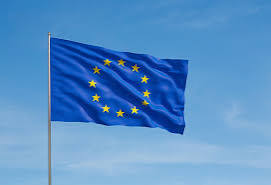
Nigeria partners EU for Reconciliation, Reintegration in North East

Published

on

ADVERTISEMENT
Zoom Ad
ADVERTISEMENT
Zoom Ad
By Gloria Ikibah
The Nigerian Government, with funding from the European Union and with the support of a consortium of UN agencies as key implementing partners have launched a new joint initiative supporting the Government’s efforts for reconciliation and reintegration within communities affected by non-state armed groups (NSAGs) in the northeast of the country.
In a statement by the EU on Sunday and made available to Naijablitznews.com, the bloc said, “The joint initiative aims to foster social cohesion, reduce stigmatization, promote tolerance, and create space for acceptance and belonging within targeted communities in Adamawa, Borno, and Yobe States.
Naijablitzmews.com reports that the initiative was officially launched on March 14 by the National Security Advisor, Nuhu Ribadu, EU Ambassador, Samuela Isopi, UN Nigeria Resident Coordinator, Mohamed M. Malick Fall,
and representatives from the consortium of UN agencies implementing the programme.
Also present were the International Organization for Migration (IOM) which is the lead agency, the United Nations Development Programme (UNDP), the United Nations Children’s Fund (UNICEF) and the United Nations Office on Drugs and Crime (UNODC).
According Ms. Samuela ISOPI, Ambassador of the European Union to Nigeria and to the Economic Community of West African States (ECOWAS), during the event held at the Office of the National Security Advisor, “The project strives to support authorities in effectively investigating and prosecuting individuals accused of terrorism offences in the northeast, ensuring meaningful accountability and redress for serious crimes”, said Honourable Nuhu Ribadu, National Security Advisor during the launch event.
“This programme builds on the outcomes of previous efforts to promote peace and social inclusion in Northeastern Nigeria.  It is expected to significantly reinforce community-based approaches by enhancing the capacity of existing community-led frameworks to go through essential healing processes, promote reconciliation and accompany gradual reintegration of former associates of non-state armed groups.
“The programme implementation plan recognises the critical importance of community outreach and sensitization, effective administration of survivor-centred transitional justice, psychosocial support, and trauma healing, Moreover, community resilience and livelihood opportunities shall constitute an integral part of the programme and shall take the form of vocational training, micro-grants, and infrastructure rehabilitation.  Capacity building for local authorities in collaboration with civil society organisations with emphasis on the amelioration of access to basic services including joint monitoring and evaluation with the local communities.
“Healing, reconciliation and reintegration in the North-east of Nigeria are possible. However, to achieve it, we must work together with all local stakeholders and leverage our collective expertise in close consultation and the necessary respect for the affected communities.” said
“This is why we are happy to continue supporting this process in the hope that it will help rebuild broken bridges within families and communities and open pathways of hope”, she added.
The programme is part of the broader EU support to the promotion of stabilisation, peace and security in the Lake Chad region that started in 2014 and has mobilised a grand total of €2.5 billion. Its implementation will leverage the expertise and experience of the four UN agencies involved, which have been working in the northeast of Nigeria for several years.

Continue Reading
Advertisement

News

Sad: Ebola Outbreak In DR Congo Claims Over 1,400 Lives, Cases Surpass 3,200

Published

on

ADVERTISEMENT
Zoom Ad
ADVERTISEMENT
Zoom Ad

The Democratic Republic of the Congo (DRC) is battling what health officials have described as the fastest-growing Ebola outbreak on record, with more than 1,400 people reported dead and over 3,200 confirmed cases.

According to government figures released on July 6, the death toll had risen to 1,405, while confirmed infections surpassed 3,200 since the outbreak was declared on May 15.

Health officials said the outbreak is spreading faster than any previous Ebola epidemic. During the 2013–2016 West Africa outbreak, which killed more than 11,000 people from over 28,000 confirmed cases, it took approximately eight months for the death toll to reach 1,000.

In the current outbreak, the same milestone was reached in less than 10 weeks.

Advertisement

The outbreak marks the 17th recorded Ebola outbreak in the DRC but only the third caused by the Bundibugyo strain of the virus. There is currently no approved vaccine or treatment specifically for the strain.

The World Health Organisation (WHO) has warned that the actual number of infections could be between two and four times higher than official figures.

Health authorities are also concerned that approximately 80 per cent of newly reported cases are emerging outside known chains of transmission, making it increasingly difficult to trace infections and contain the spread.

The outbreak has been further complicated by industrial action among healthcare workers over unpaid salaries and allowances.

Advertisement

About 100 doctors, nurses and security personnel at the Elikya Ebola Treatment Centre in Bunia, Ituri Province, reportedly stopped work and staged protests over unpaid performance bonuses. The disruption affected one of the region’s key Ebola response centres.

Healthcare workers at Bunia General Hospital, the largest medical facility in the region, also reportedly went on strike over unpaid salaries, with some staff telling the Associated Press that they had not received their wages since joining the Ebola response.

Director-General of the Africa Centres for Disease Control and Prevention, Jean Kaseya, told Sky News that a lack of resources was worsening the situation.

“These are people dying,” he said. “They are dying because we don’t have vaccines, we don’t have medicine, we don’t have funding.”

Advertisement

Ebola is transmitted through direct contact with the blood or bodily fluids of infected people or animals, as well as contaminated objects. The virus can also spread through contact with the bodies of people who have died from the disease.

Symptoms typically develop between two and 21 days after infection and may initially include high fever, severe muscle and joint pain, headaches and a sore throat.

As the disease progresses, patients may experience vomiting, diarrhoea, skin rashes, liver and kidney failure and, in severe cases, internal and external bleeding.

The Bundibugyo strain has an estimated fatality rate of between 30 and 50 per cent.

Advertisement

Despite the absence of an approved vaccine for the strain, researchers have begun testing an experimental vaccine developed using technology similar to that used in the Oxford-AstraZeneca COVID-19 vaccine.

According to the BBC, the first volunteer received the experimental vaccine last week as part of an early-stage clinical trial.

Meanwhile, the International Organisation for Migration (IOM) has warned that the movement of Ebola victims’ bodies between different parts of the country for funerals and burials could further accelerate the spread of the virus.

The organisation stressed that Ebola remains highly infectious after death, making safe and controlled burial practices critical to efforts to contain the outbreak.

Advertisement
Continue Reading

News

Tinubu will aim at third term if health permits him- Ex- SGF Babachir Lawal claims

Published

on

ADVERTISEMENT
Zoom Ad
ADVERTISEMENT
Zoom Ad

Ex-Secretary to the Government of the Federation (SGF), Babachir Lawal, has claimed that President Bola Tinubu could aim at a third term in office if circumstances allow it.

Lawal made the statement while speaking on The SYMFONI Podcast, where he discussed Nigeria’s political system, elections, and governance.

Reacting to questions if President Tinubu may attempt to extend his tenure beyond the constitutionally allowed two terms, the former SGF said he believed such a move could happen if the opportunity presents itself.

“But Tinubu will go for third term, if God gives him the long life to do it, he will.

Advertisement

What will stop him now? Blind Nigerians or a pliant National Assembly of crooks.”

Babachir Lawal, who served as Secretary to the Government of the Federation under former President Muhammadu Buhari, also criticised Nigeria’s electoral process, alleging that many political parties do not practise true internal democracy during their primaries.

He argued that after elections, aggrieved candidates often resort to legal battles while ordinary Nigerians eventually lose interest in challenging the system.

“The candidates will go to the courts and the lawyers will collect billions of naira and impoverish them further. And then that’s the end.”

Advertisement
Continue Reading

News

Just in: Ahead 2027, Kano NDC Senators Meet Tinubu over Planned Defection to APC

Published

on

ADVERTISEMENT
Zoom Ad
ADVERTISEMENT
Zoom Ad

Fresh challenge has surfaced over the political future of Kano Central Senator Rufa’i Hanga after he held a closed-door meeting with President Bola Tinubu at the Presidential Villa in Abuja, sparking widespread speculation that he may soon dump the Nigeria Democratic Congress (NDC) for the ruling All Progressives Congress (APC).

The meeting, which took place on Sunday, has intensified discussions within political circles, especially as Hanga is currently the only NDC senator representing Kano State in the National Assembly. Hanga arrived at the State House alongside former Senator Kabiru Gaya and was ushered into the Presidential Villa by Deputy Senate President Barau Jibrin.

Following the meeting, Barau described the engagement as “fruitful,” although he did not disclose details of the discussions.Government The senator’s visit to the Presidency came shortly after separate meetings with APC National Chairman Nentawe Yilwatda and Kano State Governor Abba Yusuf, further fueling reports that he is preparing to cross over to the APC ahead of the 2027 general elections. Political observers believe the sequence of high-level consultations is a strong indication that Hanga may be set to formally align with the ruling party after his relationship with NDC leader Rabiu Kwankwaso reportedly deteriorated.

The alleged rift between the two politicians became public after Hanga failed to secure the NDC senatorial ticket for another term and was also overlooked for the party’s deputy governorship nomination.

Advertisement

Executive Branch Analysts say welcoming Hanga into the APC would strengthen the party’s influence in Kano, particularly in Kano Central Senatorial District, one of the state’s most politically significant constituencies. Hanga is regarded as an experienced politician with deep roots in northern Nigerian politics.

He previously served as the founding National Chairman of the Congress for Progressive Change (CPC), the political platform established by former President Muhammadu Buhari before it merged with other parties to form the APC in 2013.Africans & Diaspora Over the years, the senator has built a reputation for maintaining close contact with his constituents through grassroots empowerment initiatives and welfare programmes across the 15 local government areas that make up Kano Central, including Kano Municipal, Tarauni, Dala, Nassarawa and Fagge. Although opinions remain divided over his personal political strength, supporters insist he enjoys considerable influence among traditional institutions, community leaders and grassroots supporters.

Many analysts believe that joining the APC could provide Hanga with renewed political relevance, access to federal support and the opportunity to secure a strategic position within the party in Kano State. His fallout with Kwankwaso became more pronounced during a recent radio interview in Kano, where he openly accused the former governor of betraying him by denying him both a return Senate ticket and the NDC deputy governorship slot.

Responding to claims that his age and health influenced the decision, Hanga dismissed the argument and insisted he remained physically fit to continue serving. “How can Kwankwaso cite my age and health condition to deny me the chance? As of today, I am healthier than Kwankwaso.

Advertisement

His frequent references to my leg condition are nothing but a sham. Regarding age, he is two years older than I am,” Hanga said. He maintained that his leg condition has never affected his performance in the Senate and accused the NDC leadership of deliberately sidelining him.

With political realignments gathering momentum ahead of the 2027 elections, Hanga’s latest engagements with President Tinubu and senior APC leaders have further intensified speculation that a formal defection announcement could be imminent.

Continue Reading

Trending

Copyright © 2024 Naija Blitz News