


By Gloria Ikibah
As Nigeria joined the rest of the world to celebrate the 2025, World Environment Day, a coalition of civil society organisations has issued a strong call for proactive and community-centered climate action in the aftermath of devastating floods in Mokwa, Niger State.
The floods claimed lives, displaced families, and caused extensive damage to property and livelihoods, underscoring what the coalition describes as the urgent need to shift from reactive disaster response to anticipatory preparedness.
In a joint statement, 11 organizations including Ohaha Family Foundation, Connected Advocacy for Empowerment and Youth Development Initiative, and the Global Platform for Civil Society in Disaster Reduction (GNDR), expressed deep concern over recurring climate-induced disasters across Nigeria.
“The flooding in Mokwa is a stark reminder: we must act before disasters strike. We call for anticipatory action, early warning systems, and localized climate resilience efforts that are informed by data, powered by communities, and aligned with national frameworks”, the statement reads.
The coalition highlighted a range of interlinked environmental challenges plaguing Nigeria — including drought, deforestation, waste pollution, oil spills, and erratic weather — which they say are compounding vulnerabilities in already fragile communities.
Although the Nigerian Meteorological Agency (NiMet) had issued rainfall predictions warning of potential flooding, the coalition emphasised that more needs to be done to translate this national data into timely, actionable information at the community level.
Key Recommendations from the Coalition Include:
“1. Scaling up community-led early warning systems to ensure timely evacuation and lifesaving anticipatory action.
“2. Investing in local actors** who are first responders and deeply embedded in affected communities.
“3. Integrating preparedness into national disaster planning, prioritising vulnerable populations.
“4. Ensuring timely release of relief funds, healthcare support, and emergency shelter services post-disaster.
“5. Designing accessible, multilingual, and culturally relevant early warning tools in collaboration with local women, youth, and community leaders.
“6. Increasing funding for local environmental and climate resilience organizations”.
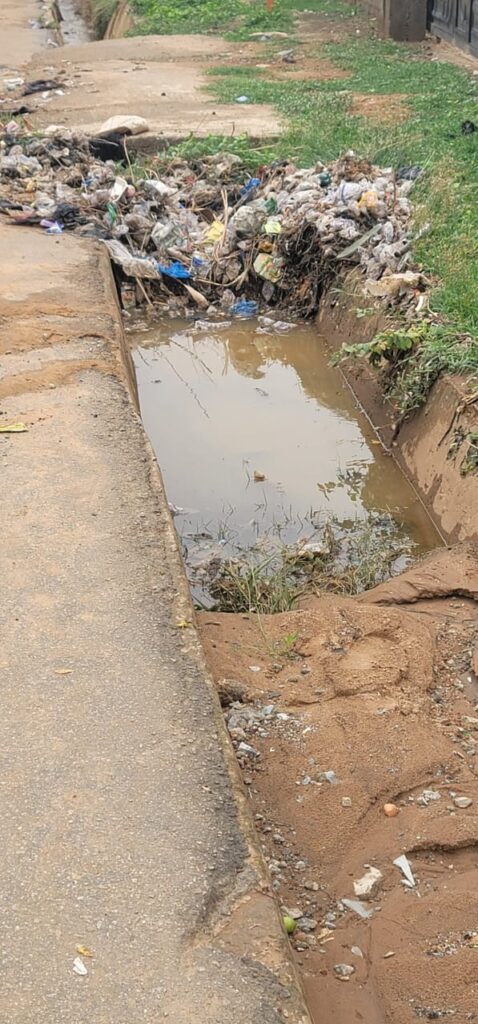
On this World Environment Day, the coalition also called for intensified efforts to tackle man-made environmental issues, particularly plastic pollution, which continues to exacerbate climate impacts.
“Our message is clear: environmental crises must be met with unified, forward-thinking action that starts at the grassroots and scales upward.
“We invite the federal and state governments, private sector, diaspora, and international partners to join local actors now — before the next disaster hits,” said John Ede, speaking on behalf of the group.