


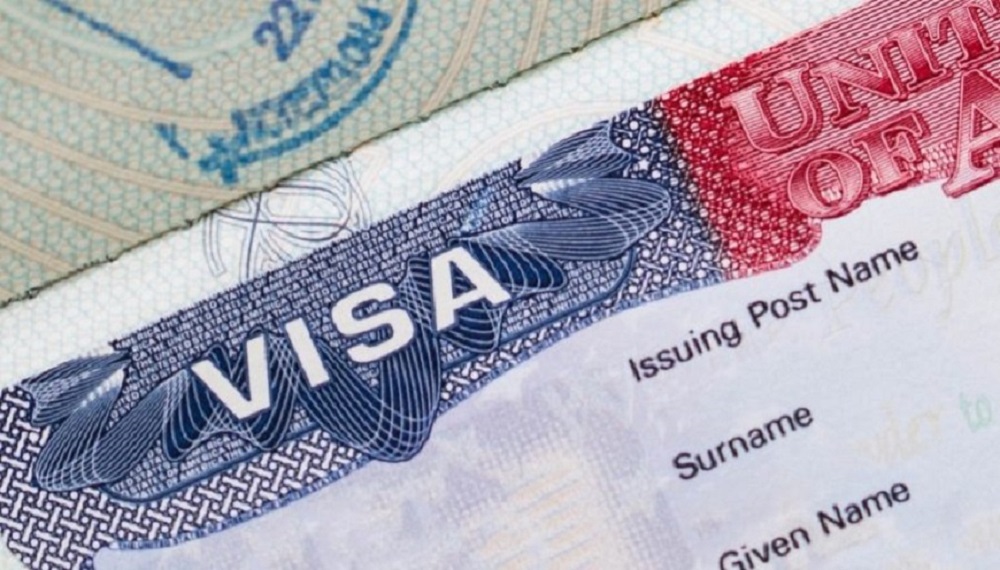
The United States has officially lifted visa restrictions on Ghana, restoring five-year multiple-entry visas and granting expanded consular privileges for Ghanaian nationals. The development, announced on Friday, September 26, 2025, represents a major diplomatic win for Accra following months of tense negotiations with Washington.
Ghana’s Foreign Minister, Samuel Okudzeto Ablakwa, who confirmed the breakthrough, described the agreement as a testament to persistent high-level engagement. “I am really pleased that months of diplomatic dialogue have led to this successful outcome,” Ablakwa said, hailing the decision as a “big win for Ghana.”
The announcement was formally conveyed by U.S. Under Secretary of State for Political Affairs, Allison Hooker, during a bilateral meeting on the sidelines of the United Nations General Assembly in New York. According to diplomats present, the restored visa privileges are expected to boost travel, academic exchange, and business opportunities for Ghanaian citizens.
Ablakwa emphasized that the move demonstrates a renewed spirit of partnership between Accra and Washington. “It’s good to see healthier and stronger Ghana-USA relations. For God and Country,” he remarked.
While the decision is being celebrated in Ghana, it comes amid controversy tied to U.S. immigration policies under President Donald Trump. Ghana has recently faced criticism for cooperating with Washington in accepting West African deportees, including some individuals with no direct familial or national ties to the country.
Since early September, at least 14 West Africans have been flown to Ghana from the United States. Some of them had previously secured temporary protection from U.S. immigration courts, yet were deported regardless. Ghanaian officials later repatriated at least four of these individuals to their countries of origin.
President John Mahama defended Ghana’s role by citing the ECOWAS protocol on free movement, which allows West Africans to enter Ghana without a visa. However, critics argue that Accra risks being used as a “third-country deportation hub” for U.S. immigration enforcement.
Human rights groups have expressed alarm over the treatment of deportees. Meredyth Yoon, a U.S.-based attorney, told AFP that between eight and ten individuals were detained under military guard in Ghana before being abruptly transferred to Togo, where they were reportedly abandoned without adequate support. Another U.S. chartered deportation flight arrived in Accra this week, though the number of passengers remains unclear.
Ghanaian authorities insist their actions are humanitarian and not an endorsement of Washington’s hardline immigration agenda. Nonetheless, the developments highlight the delicate balancing act Accra must perform maintaining cordial ties with Washington while safeguarding its image within Africa and upholding human rights.
Despite these complexities, the lifting of visa restrictions underscores Ghana’s diplomatic resilience. Analysts believe the restored consular privileges will encourage smoother travel, strengthen business links, and expand educational opportunities for Ghanaians in the United States.
As Ablakwa noted, “This outcome signals not just restored visa access, but a stronger and more cooperative relationship between Ghana and the United States.”