…lawmakers push for unified strategy as crisis worsen


…insecurity challenges are not just criminal but structural – Soli
…as Ogbara challenged governors to pay more attention to security 
By Gloria Ikibah
A former Chairman of the House of Representatives Committee on Army, Rep. Muktar Betara, has said that Nigeria’s battle against insurgency and banditry is faltering due to persistent underfunding and systemic flaws in the recruitment of security personnel.
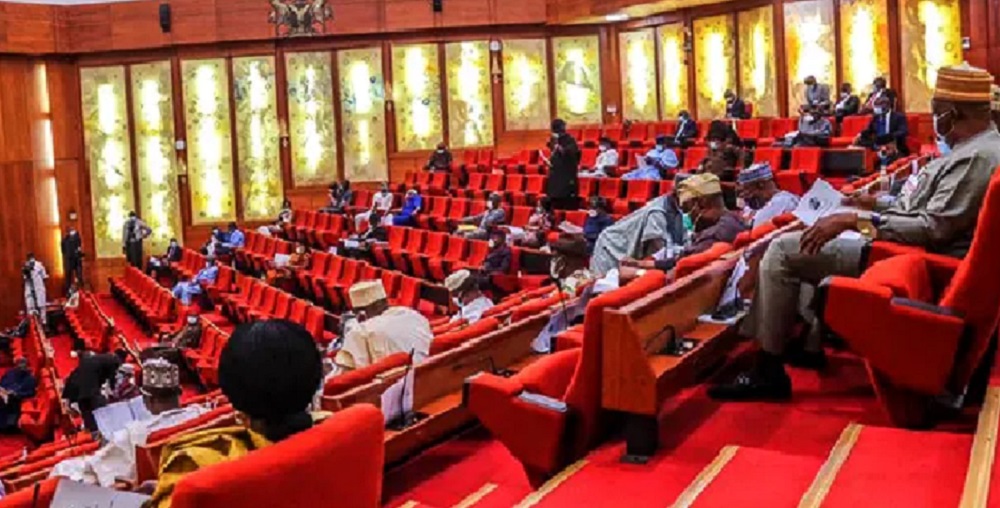
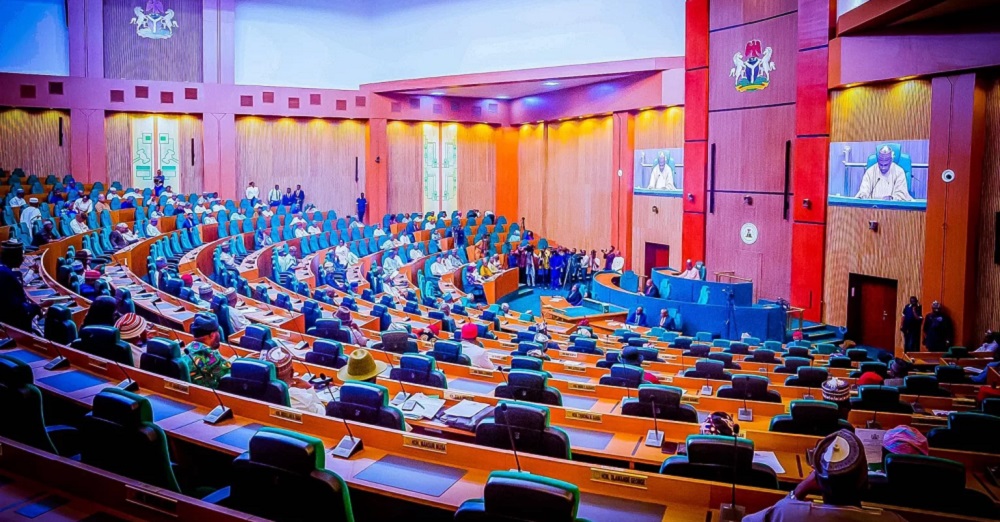
Speaker on behalf of the North-East at the House’s ongoing special plenary on national security, on Wednesday in Abuja, Betara warned that the country’s defence institutions cannot overcome escalating threats without a complete restructuring of how resources are allocated and utilised.
Betara noted that despite the N1.3 trillion defence budget for 2025, the distribution of funds remains heavily imbalanced, limiting the military’s ability to respond effectively to complex security challenges.
He argued that without revisiting procurement processes, plugging leakages, and ensuring genuine accountability, the huge allocations would continue to yield poor results on the battlefield.
He called for a coordinated national strategy that unifies all security agencies under a single operational framework, while others urged state governors to intensify their contributions to local security efforts, including intelligence gathering and community-level support.
“The Air Force has no capital budget at all — only recurrent. Out of the ₦1.2 trillion recurrent allocation, ₦900 billion is overhead. How do you expect them to procure equipment, aircraft or technology?”he asked.
Betara said long-standing concerns raised during his tenure as committee chairman still persist.
“There are issues with military procurement very serious issues and if we do not address them, the insecurity challenge will continue,”he warned.
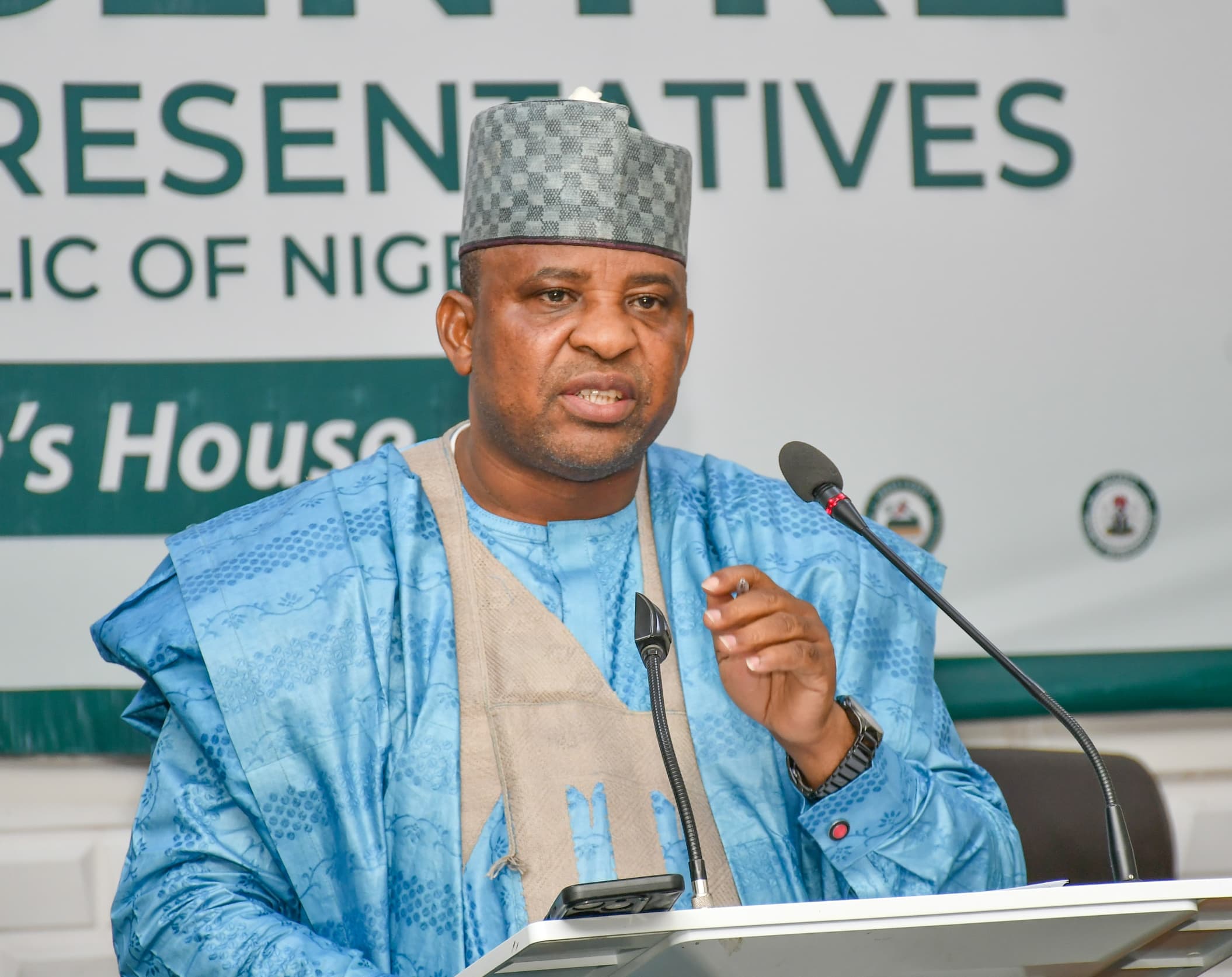
Speaking on behalf of the North West, Rep. Sada Soli (APC, Katsina) said that insecurity challenges are not just criminal but structural, rooted in environmental stress, with governance and economic marginalisation.
He argued that tackling these threats demand a holistic strategy that combines security operations with social, economic and environmental interventions.
He said: “Mr. Speaker, a purely military or kinetic response won’t be sufficient in order to address this issue in the Northwest.
“The long-term stability will require building trust in state institutions. We must build trust in our institutions. We must make efforts to reform land and livestock governance, addressing climate response and pressure and ensuring that affected communities are meaningfully taken part in providing solution to our security threats.
“Once the communities that are affected are not taken meaningfully in the course of providing solution, forget it, we will not get where we want to get there.
“Mr. Speaker, what are these major security threats that are bedevilling the Northwest? There are basically three, banditry and kidnapping. Farmer-herder, that is pastoralist conflict, then cattle rustling and organised crime”.
In her contribution, the Chairman House Committee on Women Affairs and Social Development, Rep. Kafila Ogbara (APC, Lagos) challenged governors to pay more attention to security because the federal government cannot do it alone.
“Like I have always said when we have security issues, we need our governors to do more. The president cannot be everywhere. He cannot be in Sokoto, he cannot be in Zamfara, he cannot be in Ogun State. He cannot even be in Lagos State, his own state.
“We need our governors to do more and this is the right time for us as a house to legislate on the right legal framework on our state’s policy. As politicians, we say every politics is local.
She advocated for a national safe schools protection framework, mandatory deployment of security teams to high-risk boarding schools and also reinforce dormitories, night surveillance, panic alert systems, invest in early warning infrastructure, cameras, sensors and secure communication links with law enforcement agencies.