By Gloria Ikibah


The House of Representatives Adhoc Committee investigating Nigeria’s power sector reforms and expenditure from 2007 to 2024 has voiced sharp dissatisfaction over the persistent refusal of major government institutions and private operators to honour its summons or submit relevant documents.
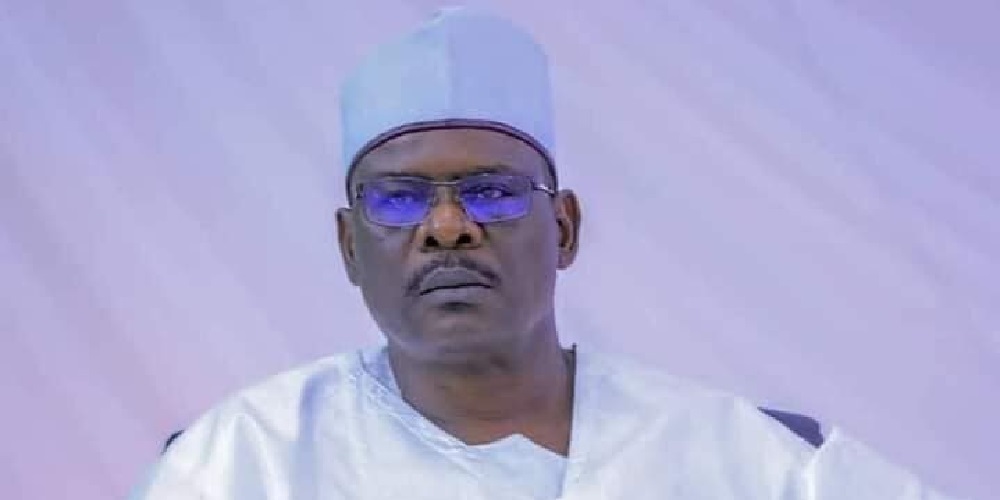
Chairman of the committee, Rep. Ibrahim Aliyu, who stated this at its resumed investigative hearing on Friday in Abuja, noted that members had waited for more than two hours without a single stakeholder in attendance, despite plans to engage at least seven ministries, departments, agencies, and electricity companies. 
The Chairman described the conduct of the invited stakeholders as a clear display of disregard for the National Assembly and a deliberate effort to obstruct a constitutionally backed inquiry into almost two decades of reforms and trillions of naira invested in the power sector.
He said: “We adjourned to reconvene today by 11 a.m., but as of 12:30 p.m., not one stakeholder has shown up.
“Members have been here waiting for over two hours, yet those invited to clarify critical issues in this investigation are nowhere to be found. This is unacceptable.”
He expressed frustration that, although a handful of organisations had requested for more time, many others had failed to acknowledge the committee’s correspondence or offer any explanation for their absence.
According to him, the lack of cooperation was hampering the inquiry and casting fresh doubts on the level of openness within the power sector.
Rep. Aliyu explained that the committee had made considerable effort to ensure communication reached all parties, including resolving challenges with contact details, yet several institutions had neither confirmed receipt nor submitted the required documents.
As the session drew to a close, the chairman observed that the persistent refusal of stakeholders to appear before the committee pointed to what seemed like a coordinated effort to avoid examination.
“Let it be clear: the National Assembly cannot be ignored. “This committee will not allow any institution—public or private—to decide on its own which invitation to honour and which to discard. We will not be undermined.”, he added.
He directed the committee secretariat to compile a detailed compliance chart tracking acknowledgements, document submissions, and appearances at the hearings. The chart, he said, would guide the committee’s next line of action and give Nigerians a transparent view of the level of cooperation received so far.
Aliyu also warned that the committee was prepared to invoke its constitutional powers if the trend continued.
“If after all these opportunities, they continue to avoid this probe, we will not hesitate to issue summons and take further steps within the powers granted to us.
“Accountability is not optional. This investigation is in the national interest,” he warned.
He stressed that the committee was determined to uncover how huge federal investments meant to revamp the power sector were utilised, and why Nigerians still endure epileptic electricity after so many years of reforms.
“This exercise is too important to be trivialised,” he said. “We must trace every naira released, every project approved, every contract executed, and every promise made to Nigerians.”
Several committee members also voiced frustration, describing the continuous snubbing of the hearings as part of a growing pattern of disregard for parliamentary oversight.
They urged the chairman to take stronger actions to ensure compliance, including issuing summons or invoking other constitutional provisions if necessary.