Connect with us

News

NAFDAC Begins Clampdown On Sachet Alcohol, Cites Risks To Children And Youth

Published

on

ADVERTISEMENT
Zoom Ad
ADVERTISEMENT
Zoom Ad

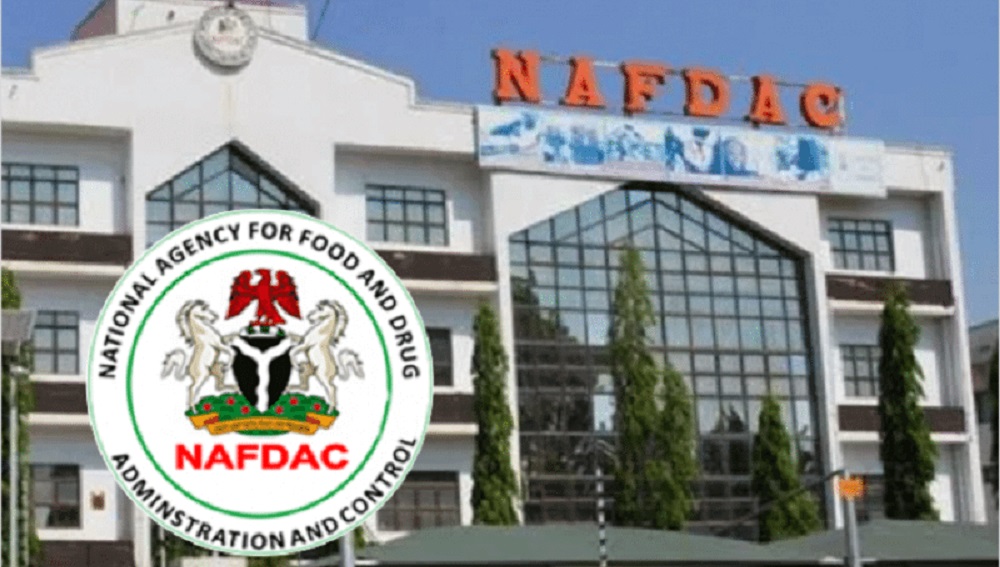
The National Agency for Food and Drug Administration and Control (NAFDAC) has commenced full enforcement of the ban on the production and sale of alcohol packaged in sachets and polyethylene terephthalate (PET) bottles below 200 millilitres, following a resolution of the Nigerian Senate.


The Director-General of NAFDAC, Prof. Mojisola Adeyeye, disclosed this on Wednesday in Lagos during a media briefing organised by the agency.

According to the News Agency of Nigeria (NAN), NAFDAC had on November 11, 2025, announced plans to begin enforcement of a total ban on the affected products by December 2025, in compliance with a directive issued by the Senate.

Adeyeye explained that the agency has now received a fresh formal authorisation from the upper legislative chamber to proceed, adding that enforcement actions have already commenced nationwide.

Advertisement

The Senate resolution of November 2025 followed a motion sponsored by Senator Ned Nwoko (Delta North), which was debated during plenary earlier this year.

In moving the motion, Senator Nwoko raised concerns over the widespread availability of high-alcohol-content drinks packaged in sachets and small bottles, warning that their low cost and ease of concealment posed serious public health and social risks, particularly to minors and young adults.

The motion, which enjoyed broad bipartisan support, was debated by lawmakers who expressed alarm at rising cases of alcohol abuse among school-age children and youths.

The Senate subsequently adopted the motion and resolved to direct NAFDAC to enforce existing regulations prohibiting the sale of alcoholic beverages in sachets and small-volume containers.

Advertisement

Speaking at the briefing, Adeyeye said the enforcement drive is aimed at safeguarding public health and protecting vulnerable groups, especially children, adolescents, and young adults, from the harmful effects of alcohol consumption.

“The proliferation of high-alcohol-content beverages in sachets and small containers has made such products easily accessible, affordable, and concealable,” she said.

She added: “We have already started the enforcement to ban alcohol production in sachets and bottles below 200ml after receiving the order from the Senate. NAFDAC is not against alcohol, but we are against its proliferation in high concentrations in sachets and small bottles, which makes it easy for children to access.”

Adeyeye noted that before her tenure, some sachet alcohol products contained between 50 and 90 per cent alcohol, describing the levels as dangerously high and detrimental to public health.

Advertisement

She said NAFDAC had previously directed manufacturers to reduce alcohol content to 30 per cent, but many resisted the directive, citing concerns over job losses and potential investment setbacks.

According to her, the matter was escalated to the Federal Ministry of Health, which subsequently granted manufacturers a five-year transition period from December 2018 to January 31, 2024, to restructure their operations and comply with regulatory standards.

Adeyeye reaffirmed the agency’s commitment to protecting public health, stressing that NAFDAC would continue to prioritise the safety of vulnerable populations through sustained regulatory enforcement.

Advertisement
Continue Reading
Advertisement

News

ECOWAS, EAC Parliaments Move to Build Continental Legislative Network

Published

on

ADVERTISEMENT
Zoom Ad
ADVERTISEMENT
Zoom Ad

By Gloria Ikibah

The Economic Community of West African States (ECOWAS) Parliament and East African Legislative Assembly (EALA) have commended moves to establish a continental network that will strengthen legislative cooperation among regional and supranational parliamentary institutions across Africa.

The initiative emerged from a high-level engagement between the leadership of the ECOWAS Parliament and EALA during a three-day working visit by the Speaker of the ECOWAS Parliament, Rt. Hon. Hadja Memounatou Ibrahima, to the headquarters of the East African Community (EAC) in Arusha, Tanzania.

The visit, hosted by the Speaker of EALA, Rt. Hon. Joseph Ntakirutimana, and the Clerk, Mr Alex Obatre, focused on strengthening parliamentary diplomacy and developing practical mechanisms for legislative institutions across Africa to exchange experiences, expertise and policy approaches.

Advertisement

A major outcome of the meeting was the presentation of a joint Concept Note proposing the establishment of a Network of Regional and Supranational Parliamentary Institutions.

The proposed network will bring together institutions including EALA, ECOWAS Parliament and Pan-African Parliament, while providing opportunities for engagement with other supranational legislative bodies, including the European Parliament.

The initiative is designed to strengthen the capacity of African parliamentary institutions to collaborate on legislation, governance, institutional development and digital transformation.

It will also provide a platform for greater coordination on issues confronting the continent, including climate change, migration, peace and security, economic integration and other emerging global challenges.

Advertisement

Another key proposal is the development of common African positions on issues discussed in multilateral forums.

Through such coordination, the regional parliamentary institutions will be able to harmonise their positions and amplify Africa’s voice in international policy discussions.

The Concept Note also proposes a rotational leadership system and biannual meetings to ensure inclusiveness, continuity and balanced participation among member institutions.

The engagement in Arusha marks an attempt to move relations between African parliamentary bodies beyond ceremonial exchanges towards structured cooperation with the potential to produce practical legislative and policy outcomes.

Advertisement

During the visit, the delegation from the ECOWAS Parliament also held consultations with the EAC Secretariat, the East African Court of Justice and the Pan African Postal Union.

The wider consultations provided an opportunity to discuss regional integration, institutional development and the need for stronger cooperation among African institutions.

The proposed parliamentary network comes as African countries face challenges that increasingly cut across national and regional boundaries, requiring coordinated responses at continental level.

Closer cooperation among regional parliamentary institutions can provide a platform for sharing legislative solutions, strengthening democratic institutions and supporting the broader goal of African integration.

Advertisement

According to information released by EALA, the development reflects the commitment of West and East African parliamentary institutions to establish sustained channels of cooperation and contribute to a stronger and more coordinated African voice in global affairs.

Continue Reading

News

Nigeria Brokers Koroma’s Return as ECOWAS Peace Efforts Yield Results

Published

on

ADVERTISEMENT
Zoom Ad
ADVERTISEMENT
Zoom Ad

By Gloria Ikibah

The Federal Government has facilitated the safe return of former Sierra Leonean President Ernest Bai Koroma to Freetown, bringing to a close more than two years of his temporary stay in the country under a regional peace arrangement.

The Minister of Foreign Affairs, Ambassador Bianca Odumegwu-Ojukwu, who accompanied Koroma back to Sierra Leone on the directive of President Bola Tinubu, said the move marked the successful conclusion of a diplomatic process aimed at fostering peace, stability and political understanding in the West African nation.

Koroma relocated to Nigeria in January 2024 following engagements led by the Economic Community of West African States (ECOWAS) to ease political tensions and promote national reconciliation in Sierra Leone.

Advertisement

Odumegwu-Ojukwu said the sustained efforts of regional leaders helped create an atmosphere of trust and understanding between President Julius Maada Bio and the former president, paving the way for Koroma’s stay in Nigeria and his eventual return home.

“His conduct throughout this period reflected restraint, statesmanship, and commitment to a peaceful outcome,” the minister said.

She noted that continuous consultations involving ECOWAS, the Nigerian Government and other stakeholders played a crucial role in addressing issues that had necessitated Koroma’s relocation.

The minister commended President Bio, former President Koroma and the people of Sierra Leone for embracing dialogue and demonstrating commitment to peace and national unity.

Advertisement

Odumegwu-Ojukwu reaffirmed Nigeria’s dedication to regional harmony, constitutional governance and democratic stability, expressing confidence that Koroma’s return would further strengthen reconciliation efforts in Sierra Leone.

She said Nigeria would continue to support initiatives that promote peace and stability across the West African sub-region.

Former Nigerian President Olusegun Obasanjo also joined Odumegwu-Ojukwu in escorting Koroma back to Freetown, underscoring Nigeria’s enduring role in regional diplomacy and conflict resolution.

Advertisement
Continue Reading

News

Enikanolaiye Calls for Religious Tolerance, Assures Christian Pilgrims of FG Support

Published

on

ADVERTISEMENT
Zoom Ad
ADVERTISEMENT
Zoom Ad

By Gloria Ikibah

The Minister of State for Foreign Affairs, Ambassador Sola Enikanolaiye, has called for greater religious tolerance and peaceful coexistence among Nigerians, saying religion should never become a source of division in the country.

Enikanolaiye stated this on Thursday, when the Executive Secretary of the Nigerian Christian Pilgrim Commission (NCPC), Bishop Stephen Adegbite, paid him a courtesy visit in his office in Abuja.

The minister reaffirmed the Federal Government’s commitment to strengthening bilateral relations with countries hosting Nigerian pilgrims while ensuring that people of all faiths receive equal treatment in the discharge of the Ministry’s responsibilities.

Advertisement

He expressed concern over occasional religious tensions in the country, attributing them largely to a lack of proper understanding of the essence of religion.

Enikanolaiye said the administration of President Bola Tinubu will continue to promote religious harmony while prioritising the safety and welfare of Nigerians, both within the country and abroad, regardless of their religious affiliations.

Calling on Nigerians to embrace tolerance, the minister drew from his own family experience to demonstrate that religious differences should not prevent people from living together peacefully.

He said: “Although I am a Muslim, my wife is a Christian, in fact a pastor. In those days when we had only one car and there were no mobile phones, I would drive her to church and wait or return to take her home after the service. Religion has never been a barrier in my family and it should not be a cause for division in our national life.

Advertisement

“It is an individual responsibility. Whatever we do here on earth, we will give account in the hereafter. If your wife is pious and you are not, her piety will not take you to heaven, and vice versa. It is a matter of individual and personal responsibility. Everyone will be judged by his own works.”

The minister also assured the NCPC of the Ministry’s continued support, stressing that the government’s involvement in pilgrimage activities extends beyond conventional consular responsibilities.

“Be assured of our support at all times. We want to see you succeed. Our work has gone beyond mere consular duties; it is a diplomatic exercise,” he said.

Earlier, Bishop Adegbite thanked the minister for the warm reception and spoke about his own family’s interfaith background.

Advertisement

The NCPC Executive Secretary disclosed that his maternal grandmother was a Muslim and that he still bears a Muslim name, describing the experience as another example of how religious harmony has long existed among Nigerians.

“Like you mentioned, religion should not be an issue in Nigeria. Many people, especially from the South-West, understand this. My Muslim name is Abdulmaroof, and whenever I visit home in Oyo in my cassock, that is what they call me. Every Ileya, I must provide rams for them,” he said.

Adegbite said the mandate of the NCPC goes beyond organising and facilitating successful Christian pilgrimages, noting that the Commission also has a responsibility to contribute to national unity.

He added that President Tinubu had consistently demonstrated commitment to peace, unity and religious harmony in the country.

Advertisement
Continue Reading

Trending

Copyright © 2024 Naija Blitz News