By Gloria Ikibah


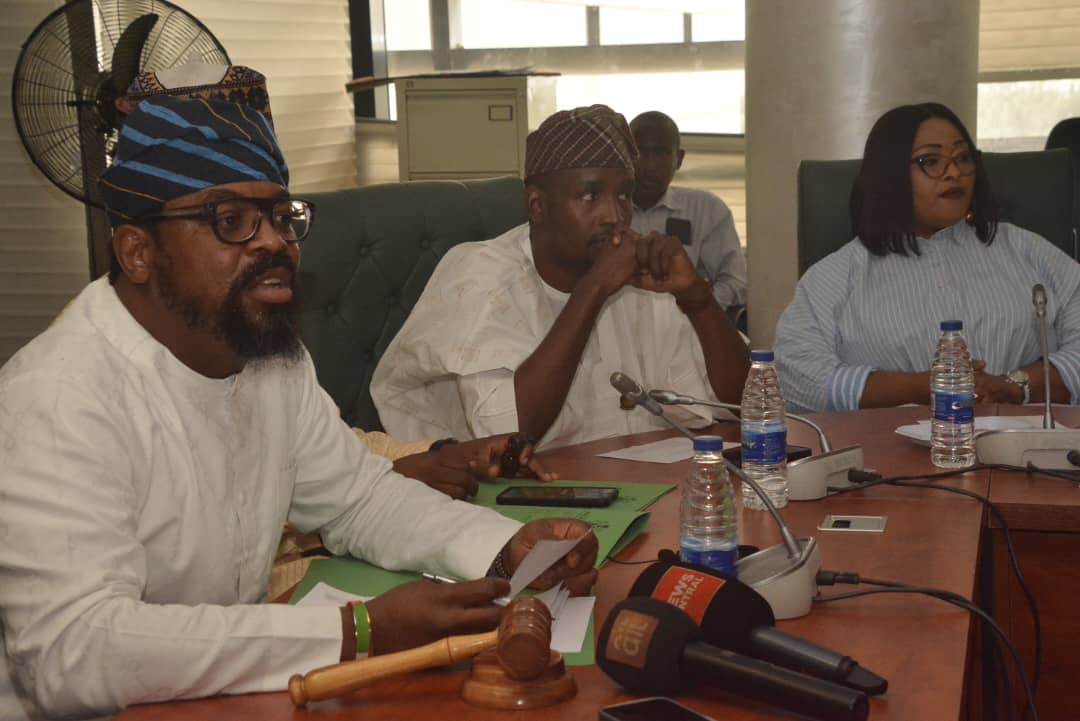
The House of Representatives Committee on Public Procurement has urged the Federal Government to increase funding for the Bureau of Public Procurement (BPP) in the 2026 budget, as part of efforts to speed up Nigeria’s move towards a fully electronic procurement system.
The appeal was made during the Bureau’s presentation of its 2026 budget proposal before the National Assembly. 
Chairman of the committee, Rep. Unyime Idem, highlighted the important role the Bureau plays under the Public Procurement Act 2007.
He noted that the agency remains central to promoting transparency, accountability and value for money in the management of public funds, as well as ensuring due process across government institutions.
The committee also expressed concern about recurring budgetary allocations for the e-procurement project, stressing the need for clearer progress and more efficient use of funds as the country advances its digital procurement reforms.
“Given the urgent need to transition to an e-procurement system in Nigeria, I call on the leadership of the National Assembly and members of this committee to increase budgetary provision for the Bureau in 2026 to facilitate the process,” he said.
The chairman, however, reminded the Bureau that the committee had approved funds in previous budgets to support electronic transmission and digital procurement processes.
He charged the management of the Bureau to ensure that provisions for e-transmission would not reappear as recurring items in subsequent budgets.
“We have approved budgetary provisions in the past for electronic transmission. We expect that with this allocation, e-transmission should not continue to reappear in future budgets,” he said.
The Chairman of the committee, Rep. Unyime Idem, also called on the Bureau to urgently submit a detailed proposal for the amendment of the Public Procurement Act 2007.
According to him, almost twenty years after the law came into force, changes in digital procurement and evolving global standards have made a review both timely and necessary.
The committee reaffirmed its commitment to providing constructive oversight and giving full consideration to the Bureau’s proposals in the wider interest of good governance.
While presenting the agency’s 2026 budget estimates, the Director-General of the Bureau, Dr Adebowale Adedokun, explained that the proposed N32.18 billion allocation would largely be directed towards digitising Nigeria’s procurement system and strengthening transparency across Ministries, Departments and Agencies.
A breakdown of the proposal shows N17.87 billion earmarked for capital expenditure, N8.47 billion for overhead costs and N5.84 billion for personnel.
He indicated that the 2026 plan places strong emphasis on digital transformation, including the rollout of an e-procurement platform designed to phase out manual submissions from MDAs from 1 March 2026. The transition is expected to take place in stages, with about 20 agencies scheduled to come on board by September 2026.
The budget proposal also makes provision for amendments to the procurement law, the development of sector-specific procurement frameworks, contractor classification, procurement audits and monitoring, as well as affirmative procurement measures aimed at promoting inclusion for women-owned businesses, small and medium-sized enterprises, young entrepreneurs and persons living with disabilities.
The committee again assured the Bureau of careful review and supportive oversight to ensure the proposals align with national priorities and accountability standards.