


…proposal aim to strengthen coordination and innovation across the Armed Forces
By Gloria Ikibah
The House of Representatives has passed for second reading a proposal to set up a Joint Doctrine and Warfare Centre, envisioned as a high-level strategic hub to improve coordination, efficiency and overall performance within Nigeria’s Armed Forces.
The bill, sponsored by the Speaker, Tajudeen Abbas, is titled “A Bill for an Act to Establish the Joint Doctrine and Warfare Centre to Enhance the Coordination and Effectiveness of Military Operations of the Armed Forces of Nigeria by Integrating the Capabilities of Its Respective Services; and for Related Matters (HB 2741).”
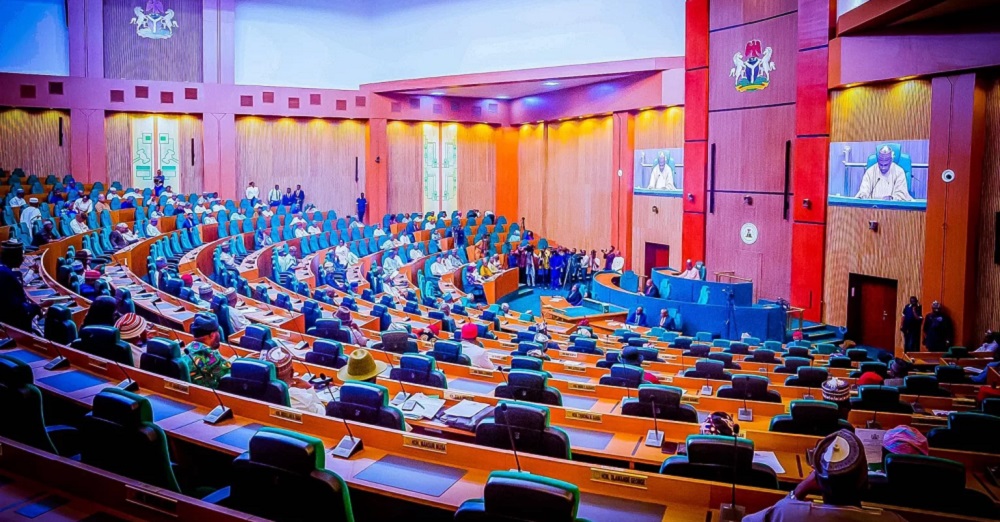
It progressed to the next stage following debate by lawmakers on Wednesday during plenary.
The planned centre is intended to serve as a focal point for defence research, development of military doctrine, strategic planning and innovation in warfare, with particular attention on fostering closer collaboration among military and paramilitary bodies.
Commencing debate on the general principles of the legislation on behalf of the Speaker, Rep. Daniel Asama said, “the initiative is designed to bridge critical gaps in Nigeria’s defence framework, particularly the lack of a dedicated institution for developing and coordinating joint military doctrines.”
“The centre would establish a structured system for the formulation, validation and dissemination of joint doctrines, while also promoting interdisciplinary research on multi-domain operations”.
Asama further observed that Nigeria’s increasingly complex security landscape demands a more integrated and strategic military response.
“Nigeria faces complex security challenges, including terrorism, insurgency and cyber warfare, which require coordinated doctrinal responses among the Armed Forces.
“The absence of a dedicated institution for joint doctrine development has created operational gaps and limited interoperability among the services”, he said.
According to him, the proposed centre will serve as both a think-tank and a centre of excellence for doctrine formulation and warfare strategy.
“This bill provides the legal and institutional framework for the Joint Doctrine and Warfare Centre as a think-tank and centre of excellence for doctrine development and warfare strategy.
“It addresses the need for integrated doctrine development, unified command thinking and joint operational planning”, he added.
He described the bill as timely, the lawmaker said it would strengthen Nigeria’s capacity to respond to evolving threats while enhancing cooperation among the Army, Navy and Air Force.
He explained that the proposed centre would provide a standing platform for defence research, simulation exercises and policy coordination, with the aim of strengthening the long-term sustainability of the country’s security efforts.
The institution is expected to draw together major players in the security architecture, including the Ministers of Defence, service chiefs and specialists from the private sector.
Its responsibilities would cover aligning warfare strategies, monitoring emerging threats, reviewing operational requirements and offering strategic guidance for defence activities.
The centre would also work closely with defence institutions, universities, international allies and research organisations to advance joint doctrine development, simulation tools and contemporary warfare practices.
Among its core aims are improving Nigeria’s capacity to respond to hybrid and asymmetric threats, enhancing cooperation among the armed services, promoting defence research and expanding both regional and global security partnerships.
Asama expressed optimism that the proposal would markedly strengthen the nation’s military preparedness and strategic depth.
“The Joint Doctrine and Warfare Centre will serve as the intellectual and operational hub for defence coordination, doctrine formulation and integrated warfare planning,” he said.
Following its passage for second reading, the bill was referred to the House Committee on Defence for further legislative consideration.
When passed into law, the piece of legislation is expected to provide a solid institutional framework for advancing joint military operations and improving Nigeria’s response to current and emerging security challenges.