By Gloria Ikibah
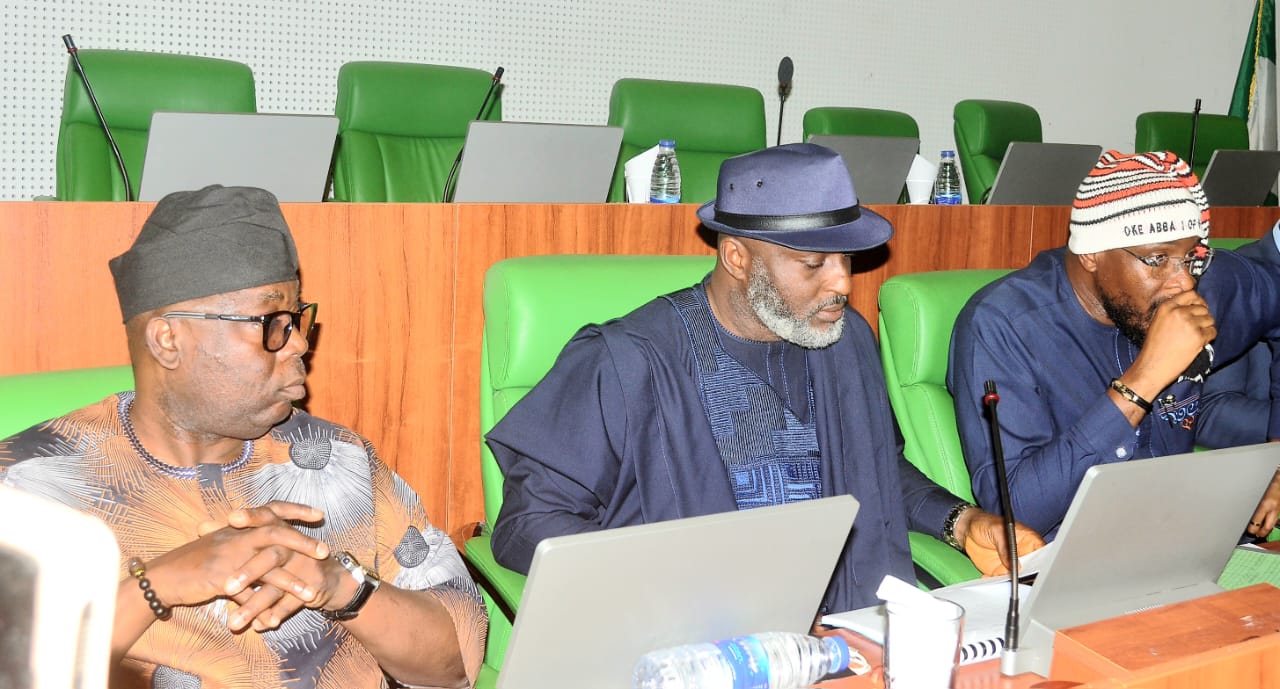
A fresh layer of scrutiny has been placed on billions of dollars in international health funding as the House of Representatives resumed its investigative hearing into grants received by Nigeria for the fight against major infectious diseases.
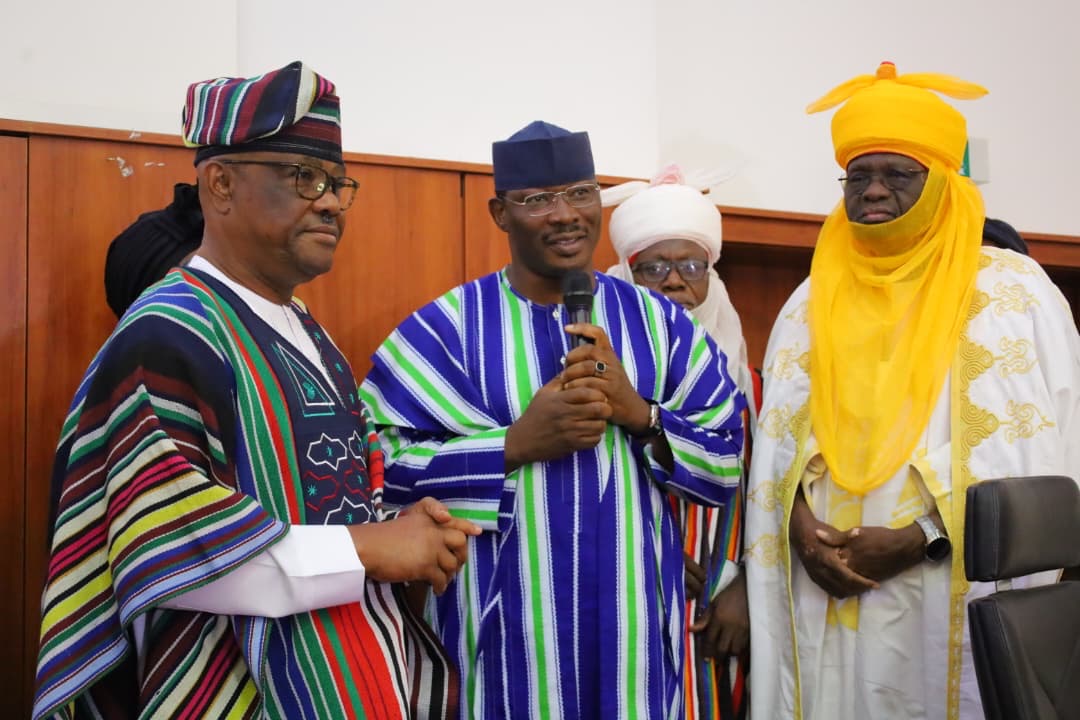
Chairman House Committee on Infectious Diseases, Rep. Amobi Ogah, in his opening remarks at the hearing on Wednesday in Abuja, called for transparency, cooperation and renewed commitment from all stakeholders involved in managing the funds. 
“I want to welcome you all to this resumed hearing on the need to investigate the over $1.8 and $2.8 billion dollars grant received by Nigeria from Global Fund and USAID from 2021–2025,” he said.
Ogah reminded stakeholders that the probe followed a formal mandate by the House in October 2025, adding that earlier sessions had been delayed by public holidays.
He emphasised that the inquiry should not be misconstrued as an attempt to target individuals or organisations.
“You will recall that the House of Representatives… passed the resolution mandating the committee… to investigate this matter and report back.
“After a protracted delay… we are resuming the hearing and the committee is calling for the maximum cooperation of key stakeholders.
“I must reiterate that this exercise is not to witch-hunt anybody, nor a vendetta,.
“Rather it is borne out of the desire to put Nigeria and Nigerians in the epicentre of all our policy thrust, especially on issues of public health threats,” Ogah stated.”
The Committee Chairman explained that the investigation also aimed to reassure international donors of Nigeria’s commitment to proper financial management.
“It is also to restore confidence in our international donor partners… and to ensure that whatever grant we receive must be judiciously expended,” he added.
While acknowledging the contributions of development partners and health actors, Ogah signalled tighter legislative oversight going forward.
“Permit me to remind the Global Fund Country Coordinating Mechanism Nigeria that the National Assembly will request the submission of all implementation plans to the Parliament for approval.
“We also expect quarterly reports of the activities of all recipients and sub-recipients”, he said.
He noted that these measures would become effective as Nigeria prepares for the next phase of Global Fund financing.
Looking ahead, Ogah warned that the country’s ambition to eliminate major infectious diseases by 2030 may be slipping out of reach.
Rep. Ogah called for better coordination across the health sector to avoid waste and duplication.
“I believe we are at a decisive turning point and it is apparent that the target of eliminating all public health threats by the year 2030 may no longer be feasible.
“However, we must not fold our hands… much needs to be done to maximise and efficiently utilise the resources at our disposal.
“There is need to streamline what state actors and non-state actors are doing… so that resources can be efficiently allocated,” Ogah urged.
Reaffirming the committee’s role, he said that the Committee will continue to provide the legislative support to “ensure full implementation of the response against HIV/AIDS, tuberculosis, malaria and other infectious diseases in our country.”