By Gloria Ikibah


The Federal Government has said that Nigerians seeking to return home from South Africa amid rising xenophobic tensions will have to fund their own journey, signalling a shift from previous evacuations that were largely subsidised.
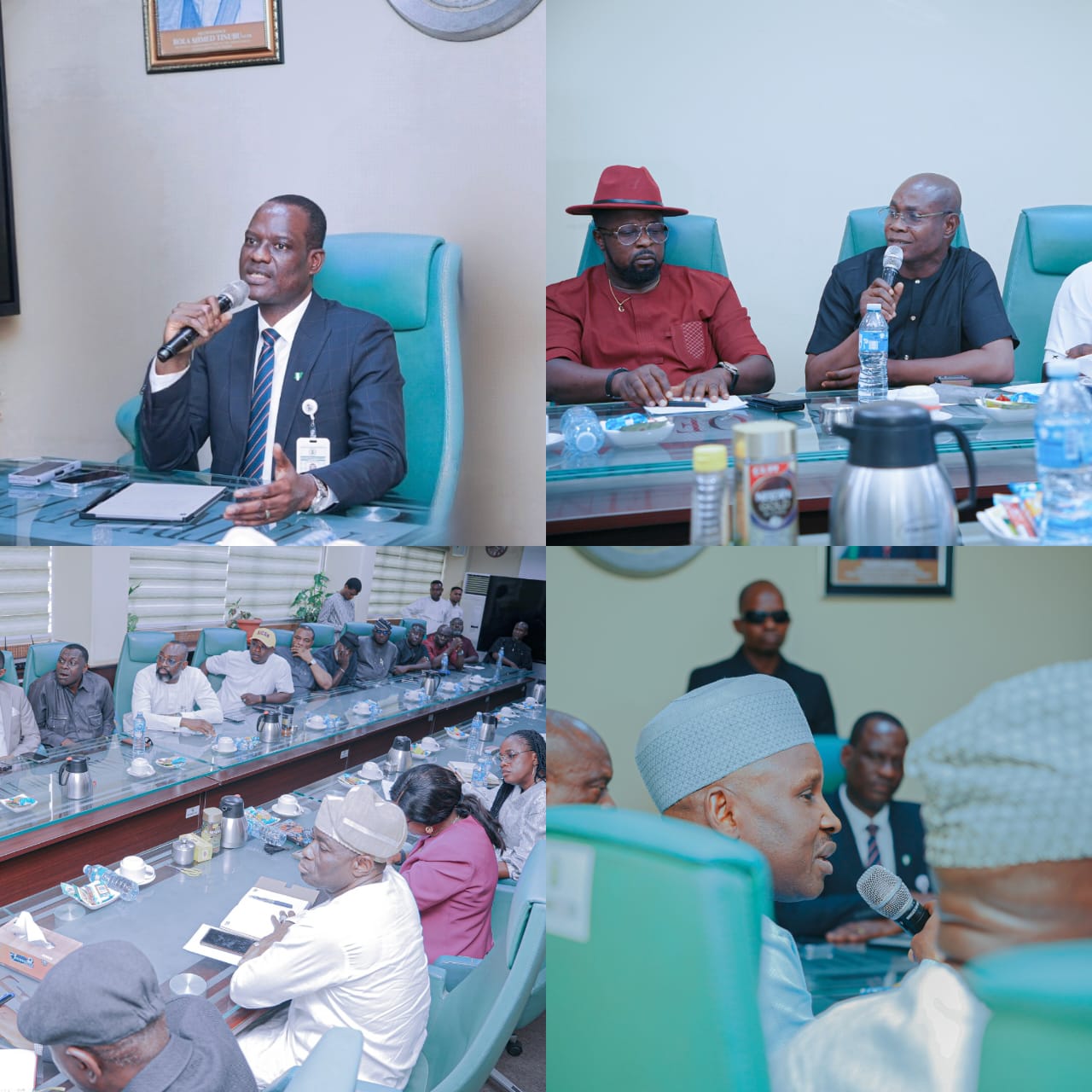
The Ministry of Foreign Affairs made this clear on Monday following a high-level meeting in Abuja between Permanent Secretary Dunoma Ahmed and South Africa’s Acting High Commissioner, Lesoli Machele. 
Addressing journalists, the ministry’s spokesperson, Kimiebi Ebienfa, explained that the planned repatriation would be voluntary and self-funded, with government support limited to coordination and facilitation.
“Those willing to leave are expected to approach the high commission and, given that their decision is voluntary, have the resources to fund their return to Nigeria,” he said.
He added that the government will not be deploying aircraft for the exercise at this stage, emphasising that individuals must make their own travel arrangements.
The position marks a departure from past evacuations, where private sector intervention, notably by Air Peace chairman Allen Onyema helped airlift stranded Nigerians at no cost to them.
The government had earlier indicated its readiness to assist citizens wishing to leave South Africa following renewed attacks and hostility directed at black immigrants. The latest wave of violence has heightened anxiety among Nigerians, with at least two reported killed last month.
So far, around 130 Nigerians have signalled interest in returning home, but officials say the actual process will depend largely on whether they can afford travel expenses.
“Yes, 130 as of this morning have registered, but actualisation would be required to have their flight ticket to move back to Nigeria,” Ebienfa said, noting that timelines would be dictated by the availability of funds.
He disclosed that those seeking to leave fall into two broad categories, individuals who feel unsafe due to the current climate, and others facing immigration-related issues who prefer to return voluntarily rather than risk arrest.
“There are two groups of Nigerians who want to come back. One group feels the country is not safe for them and wants to come. They have all their papers intact.
“Then there is also the second group that has travel document violations or resident permit violations. And instead of running away from law enforcement, they are appealing that the government facilitate their movement back to Nigeria,” he explained.
Despite the current stance, the ministry hinted that its approach could change if the situation deteriorates further, leaving open the possibility of more direct intervention should tensions escalate.