By Gloria Ikibah


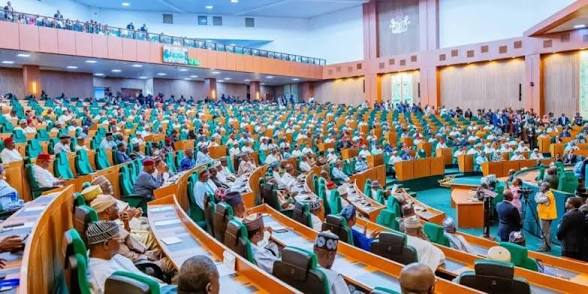
The House of Representatives has intensified calls for urgent action to rescue schoolchildren and teachers abducted in Oyo State, while pressing for sweeping security reforms, including the establishment of state police and a dedicated protection framework for schools across the country.
Thus resolution was sequel to the adoption of a motion of urgent public importance sponsored by Olamijuwonlo Alao-Akala, who drew the attention of lawmakers to the deteriorating security situation in Ogbomoso and Orire communities and the abduction of more than 30 pupils and teachers from Baptist Nursery and Primary School, Yawota; Community Grammar School, Esiele; and L.A. Primary School on May 16, 2025. 
Alao-Akala also mourned the death of mathematics teacher, Michael Oyedokun, who was reportedly killed while being held captive. He described the incident as a tragic reminder of the growing threat posed by kidnappers and armed criminal groups.
Presenting the motion, the lawmaker said residents of the affected communities had been living in fear as attacks linked to criminal elements operating around the Old Oyo National Park continued to escalate.
While acknowledging steps already taken by security agencies and the Federal Government, including the approval of 1,000 forest guards for the area, he argued that stronger and more sustainable interventions were needed to restore safety and prevent future attacks.
According to him, the vast forests surrounding the national park have increasingly become hideouts for criminal gangs and key transit routes for kidnappers and bandits moving across state boundaries.
Following deliberations, the House called for the immediate rescue of all remaining abductees and urged the Federal Government to establish a permanent military forward operating base in Orire Local Government Area. Lawmakers also endorsed a decentralised security structure incorporating state police, local government policing units, decentralised courts and integrated intelligence networks.
Contributing to the debate, Bamidele Salam commended Alao-Akala for bringing the issue before the House and expressed concern over the increasing frequency of school abductions nationwide.
He recalled that mass school kidnappings gained national attention during the Chibok schoolgirls kidnapping and warned that educational institutions were once again becoming vulnerable targets for criminal groups.
Salam emphasised that education remains one of the most effective pathways out of poverty and social deprivation, making attacks on schools particularly damaging to national development.
“The children of the poor attend our public schools, and we cannot afford to ignore the dangers they face,” he said.
The lawmaker urged the Federal Government to establish a specialised security architecture dedicated to safeguarding schools across the country. He noted that previous school protection initiatives had been weakened by inadequate funding and poor implementation.
He further argued that if government could provide security for thousands of public office holders, it should be able to guarantee the safety of schoolchildren and teachers.
Salam also called for support and reassurance for affected families while security agencies intensify efforts to secure the release of those still being held captive.
Also speaking, Benedict Etanabene described Nigeria’s security challenges as deeply troubling, saying many citizens now live under constant fear.
He maintained that the time had come for the country to move beyond debate and embrace state policing as a practical response to rising insecurity.
“We cannot keep procrastinating and believing the situation will improve on its own,” he said.
Etanabene argued that state governors will be better positioned to deploy local intelligence, technology and community-based resources to tackle security threats within their jurisdictions. He also urged President Bola Ahmed Tinubu to support reforms that would give states greater responsibility in maintaining security.
The lawmaker cautioned against turning insecurity into a partisan issue, warning that political divisions could weaken collective efforts to combat criminality. He also expressed sympathy for families whose loved ones remain in captivity, noting the emotional anguish endured by parents unable to secure the freedom of their children.
The House unanimously adopted the motion and referred it to the Committees on Defence, Interior, Police Affairs and National Security for further legislative action and oversight.
The committees were directed to monitor implementation of the resolutions and report back to the House within 30 days.
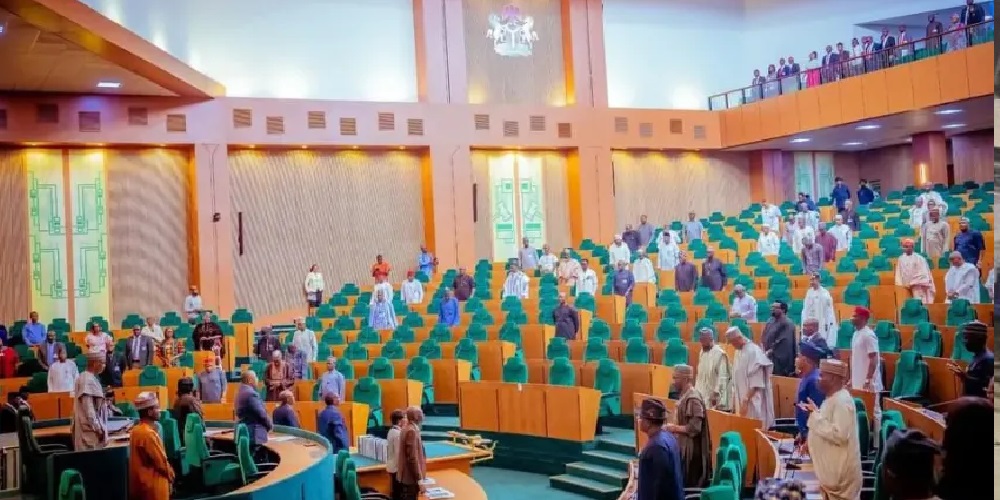
In a solemn conclusion to the debate, lawmakers observed a minute’s silence in honour of Michael Oyedokun, other victims of kidnapping and banditry across the country, and security personnel who lost their lives while serving the nation.