News
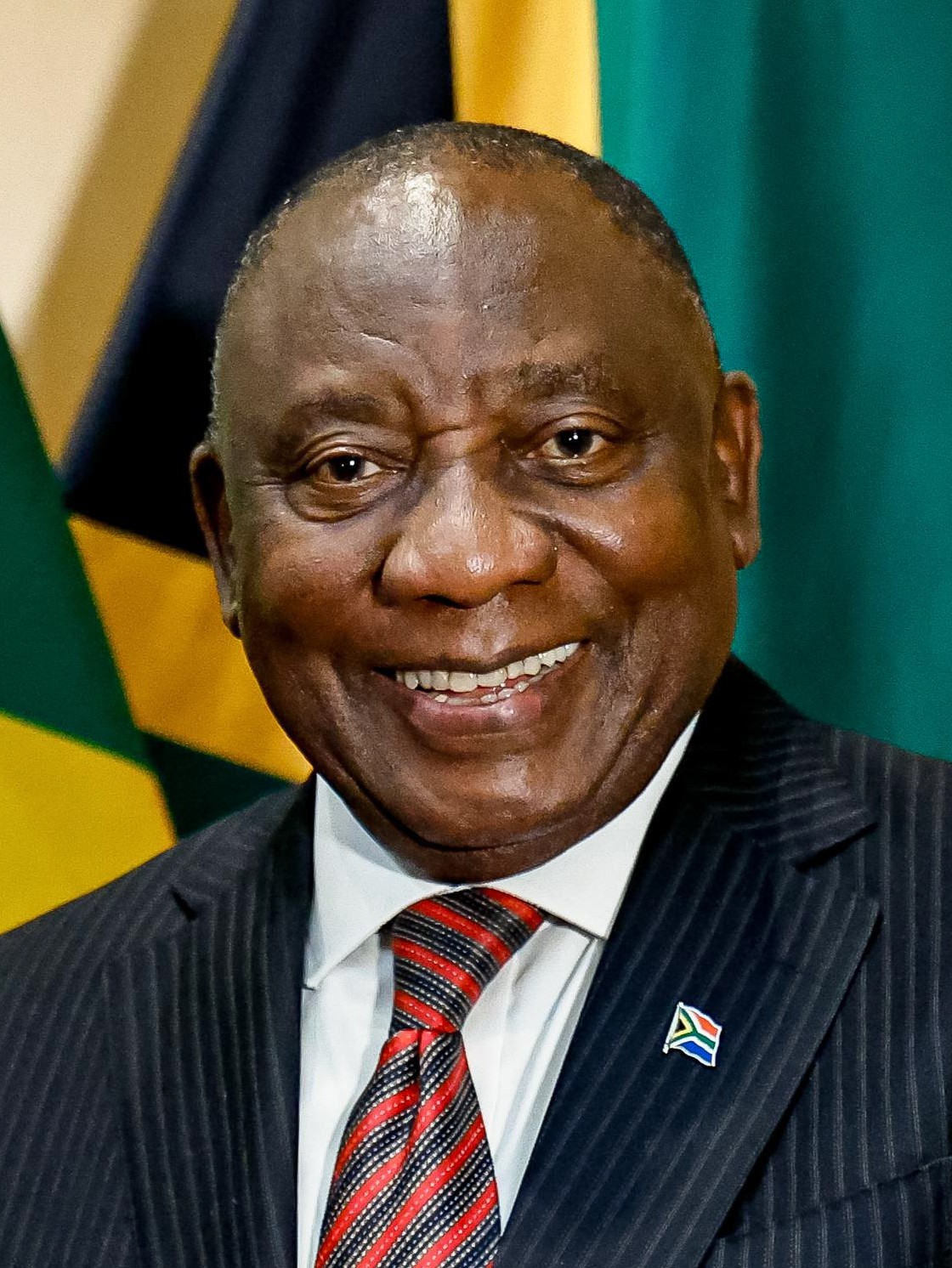
Ramaphosa urges peace ahead of June 30 protest
- /home/naijuinz/public_html/wp-content/plugins/mvp-social-buttons/mvp-social-buttons.php on line 27
https://naijablitznews.com/wp-content/uploads/2026/06/IMG_8547-1000x600.jpeg&description=Ramaphosa urges peace ahead of June 30 protest', 'pinterestShare', 'width=750,height=350'); return false;" title="Pin This Post">
- Share
- Tweet /home/naijuinz/public_html/wp-content/plugins/mvp-social-buttons/mvp-social-buttons.php on line 72
https://naijablitznews.com/wp-content/uploads/2026/06/IMG_8547-1000x600.jpeg&description=Ramaphosa urges peace ahead of June 30 protest', 'pinterestShare', 'width=750,height=350'); return false;" title="Pin This Post">
By Francesca Hangeior

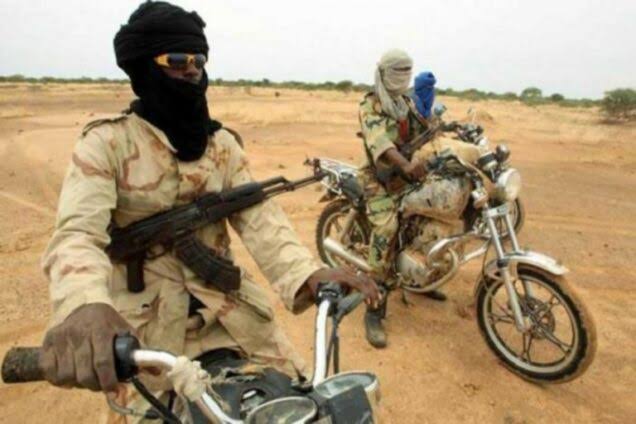
South African President Cyril Ramaphosa has acknowledged that citizens’ concerns over illegal immigration are legitimate but warned that violence, intimidation and vigilantism will not be tolerated during planned nationwide protests on June 30.
In his weekly newsletter released on Monday, Ramaphosa urged protesters to exercise their constitutional right peacefully and within the confines of the law, stressing that no grievance justifies unlawful conduct.
The president said South Africans had raised genuine concerns over undocumented immigration, border management, pressure on public services, and criminal syndicates exploiting the country’s immigration system.
While affirming that the right to protest is guaranteed under South Africa’s Constitution, he cautioned that such freedom does not permit threats, intimidation, vandalism or violence.
It partly reads, “South Africans have raised deep concerns about illegal immigration, border management, pressure on public services, criminal syndicates that exploit our immigration system and the impact these challenges have on communities. These concerns are real and they deserve to be heard.
“The right to protest is enshrined in our Constitution. It is a credit to our robust democratic order that people are able to express their grievances openly. But the right to protest and freedom of expression does not allow people to threaten or intimidate others, or to engage in acts of vandalism or violence.
“South Africa is a constitutional republic governed by the rule of law. The exercise of rights by any citizen in a constitutional democracy cannot be determined by intimidation, threats or ultimatums. It must be determined through democratic institutions, evidence and the rule of law.”
Ramaphosa disclosed that his government had accepted the need for substantial reforms to the country’s immigration system, including strengthening border management, increasing enforcement against undocumented immigration, improving the integrity of asylum and visa systems, and tackling corruption that has weakened immigration controls.
“We also recognise that where our systems have failed, they must be corrected. Where corruption has enabled illegal immigration, those responsible must be held accountable. Where enforcement has been inadequate, it must improve,” it reads.
“Over the last few weeks, we have seen support for these measures and for government’s stance from across society. We have held meetings with the country’s traditional monarchs and other traditional and Khoi-San leaders, with trade union and business leaders, with the religious community and with other formations in society.
News
FG to evacuate 271 from South Africa today
By Francesca Hangeior

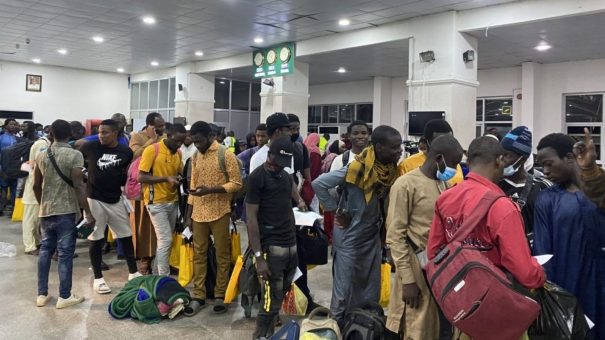
The Federal Government will evacuate 271 Nigerians stranded in South Africa, today, The Nation learnt.
According to an update by the spokesperson Ministry of Foreign Affairs, Kimiebi Imomotimi Ebienfa, Air Peace aircraft will depart Nigeria today, Monday, 29th June 2026, at 3:00 pm for the evacuation.
Ebienfa said the plane will depart South Africa at midnight to arrive on Tuesday morning.
The anti-immigration vigilante groups have set a June 30, 2026 deadline demanding undocumented foreign nationals, especially blacks, to leave South Africa.
The threat has sparked widespread fear of xenophobic unrest, leading several African nations to evacuate thousands of their citizens. Though South African authorities have heavily condemned the vigilante threats and deployed the police and military to tighten security nationwide.
Ebienfa in a terse statement said: “Nigeria will resume the evacuation of our Nationals from South Africa today.
“Air Peace aircraft will depart Nigeria today, Monday, 29th June 2026, at 3:00 pm, and is expected to arrive in South Africa at approximately 9:00 pm local time.
“The return flight is scheduled to depart South Africa at 12:00 midnight and is expected to arrive Murtala Mohammed International Airport, Lagos on Tuesday morning. The expected number is 271.”
News
UK rejects 1.34m Nigerian visa applications in 21 years
… As Nigeria records 33% refusal rate, accounts for 44% of Africa’s denials
By Francesca Hangeior
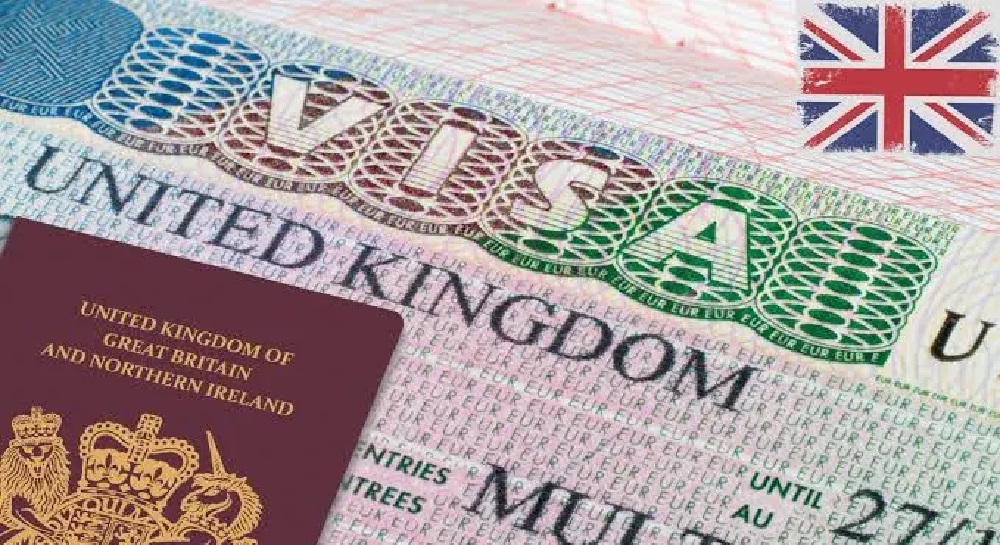
The United Kingdom has rejected more than 1.34 million visa applications from Nigerians over the past 21 years, according to official figures from the UK Home Office.
The data, drawn from the UK’s Entry Clearance Visa Outcomes database, show that 1,344,595 applications by Nigerians were refused between 2005 and the first quarter of 2026, placing Nigeria second only to India among countries with the highest number of UK visa denials.
Despite the high rejection rate, Nigeria remained one of the UK’s biggest sources of successful applicants. During the period, 2,723,558 visas were issued to Nigerians, making the country the third-largest recipient of UK visas after China and India.
Overall, Nigerians submitted more than 4.09 million visa applications, with decisions taken on about 4.07 million. The figures translate to an average refusal rate of 33.1 per cent—more than double the global average of 14.8 per cent. Nigeria also accounted for 44.4 per cent of all visa refusals involving African applicants.
Visitor visas accounted for the bulk of refusals, with 1,127,088 refusals—almost 84 per cent of the total. Study visas recorded 130,712 refusals, while 41,410 work visa and 12,217 family visa applications were also denied.
The highest rejection rates were recorded in the mid-2000s.
In 2006, UK authorities refused 117,968 Nigerian applications, a refusal rate of 49.6 per cent, while 111,058 applications were rejected in 2005.
Approval rates improved steadily over the years, peaking in 2023, when the UK granted a record 281,658 visas to Nigerians and the refusal rate fell to 21 per cent, the lowest in the review period.
However, the trend reversed after Britain tightened immigration rules in 2024 by raising salary thresholds for Skilled Worker visas and restricting dependents of international students and care workers.
Following the changes, Nigerian work visa applications fell sharply, while refusal rates climbed to 33.5 per cent in 2024, eased marginally to 33.1 per cent in 2025, and rose again to 35.4 per cent in the first quarter of 2026.
Among African countries, Ghana recorded the second-highest number of UK visa refusals, at 374,108, followed by Algeria, Egypt, Zimbabwe, Morocco, Kenya, Uganda, South Africa, and Sudan.
The UK Home Office also noted that Nigerian nationals remain among the largest groups seeking asylum after entering Britain on valid visas, a development it said has contributed to increased scrutiny of applications from Nigeria.
Former Nigerian Ambassador to Singapore, Ogbole Amedu-Ode, attributed the sustained surge in applications to Nigeria’s economic challenges and the “Japa” migration wave.
He said expanding economic opportunities at home would reduce the pressure on Nigerians seeking to relocate abroad, adding that the large number of visa approvals also reflected the UK’s continued attractiveness as a destination for Nigerians.
News
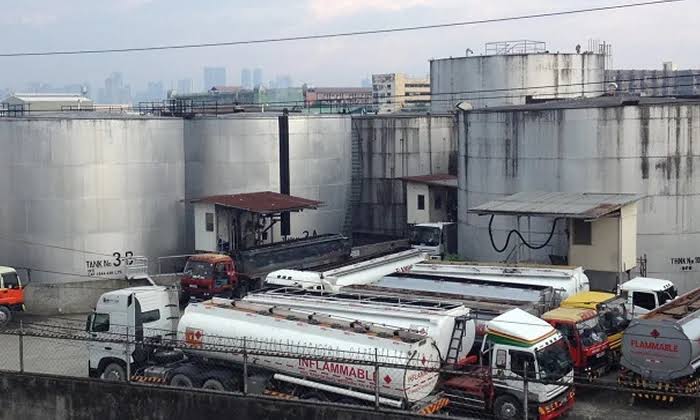
FCCPC threatens sanction against petrol price profiteers
By Francesca Hangeior
The Federal Competition and Consumer Protection Commission (FCCPC) is set to wield the big stick against oil marketers.
It follows their reluctance to reduce petrol pump prices in line with the falling global crude oil price.
The planned action, the commission said, became necessary after it observed that despite downward reviews of petrol ex-depot prices by domestic refiners, marketers, depot owners and retail outlet operators had only made negligible reductions at the pumps, which were not commensurate with the sharp fall in global crude oil prices.
Following a ceasefire agreement between the United States (U.S.) and Iran two weeks ago and the reopening of the Strait of Hormuz, crude oil prices have declined steadily, with Brent crude trading at $71.99 per barrel and West Texas Intermediate (WTI) at $69.23 per barrel yesterday.
The decline represents a sharp drop from the peak recorded during the conflict, returning prices to pre-war levels.
The earlier spike in global crude prices prompted local refiners and marketers to raise pump prices across the country, with petrol rising from about N800 per litre to between N1,350 and N1,500, while diesel sold for as much as N2,000 per litre as hostilities intensified in the Gulf.
Despite the subsequent decline in crude prices, petrol still sells for an average of N1,200 per litre, although some local refiners have reduced ex-depot prices to between N1,025 and N1,075 per litre.
Executive Vice Chairman and Chief Executive Officer of the FCCPC, Mr. Tunji Bello, explained that although the commission does not regulate or approve petroleum prices in a deregulated downstream market, it has a statutory responsibility under the Federal Competition and Consumer Protection Act 2018 to promote competitive markets, prevent anti-competitive conduct and protect consumers from unfair, deceptive and exploitative business practices.
According to a statement by the FCCPC Director of Corporate Affairs, Ondaje Ijagwu, Bello said: “We are concerned that while dealers often respond swiftly by hiking pump prices whenever crude prices rise, it is curious that it is taking so long for consumers to benefit significantly when crude prices fall. Competitive markets must work fairly in both directions.
“Though recognising that domestic prices are influenced by a range of commercial and market factors, including refining costs, foreign exchange movements, logistics, financing and distribution expenses, the commission expects competitive market dynamics to facilitate the timely transmission of resulting cost efficiencies to consumers.
“Market liberalisation does not diminish businesses’ obligations to compete fairly or consumers’ right to fair treatment.
“Where credible evidence indicates conduct that undermines competition, exploits consumers or otherwise contravenes the Federal Competition and Consumer Protection Act, the commission will investigate and take appropriate enforcement action.”
However, the National President of the Independent Petroleum Marketers Association of Nigeria (IPMAN), Abubakar Maigandi, said marketers were already complying with the reductions, explaining that pump prices had been lowered in line with refiners’ ex-depot price cuts.
“You have to know that these price reductions come in batches. As they reduce their prices, we also reduce ours.
“When Dangote Refinery reduced its ex-depot price by N50 per litre, we reflected the same N50 reduction at our filling stations.
“Any amount reduced from the ex-depot price is the same amount we reduce from our pump price,” he said.he
Maigandi challenged the FCCPC to conduct a survey of IPMAN filling stations to verify the level of compliance among its members.
“Compliance is compulsory because if you don’t comply, nobody will patronise you.
“No one will buy a product at a higher price when the same product is available cheaper elsewhere.
“Our marketers are complying. In fact, we welcome the reductions because lower prices translate into higher sales volumes,” he added.
Some operators in the downstream oil sector, however, faulted the FCCPC’s planned action, describing it as a case of double standards.
Asked to comment on the commission’s position, they argued that it was unfair to threaten marketers with sanctions in a deregulated market where pricing decisions are driven by commercial considerations.
Chief Executive Officer of the Centre for the Promotion of Private Enterprise (CPPE), Dr. Muda Yusuf, supported the FCCPC’s intervention, provided there was evidence of anti-competitive conduct.
“If there are obvious cases of exploitation or where players with significant market power abuse their position, the FCCPC can intervene because the commission has broad powers to address anti-competitive practices and abuse of market dominance.
“But it must first establish that such conduct exists before taking action. The downstream sector has many players, and there is already a framework that allows competition,” he said.
Yusuf, however, noted that despite its statutory powers, the FCCPC would find it difficult to compel marketers to reduce prices because pricing remains a commercial decision.
“If you bought stock at a particular price, your selling price is determined largely by the replacement cost. Even if you bought the product cheaper, you have to consider how much it will cost to replenish your stock. That is normal business practice, and it would be difficult to compel businesses to act otherwise,” he said.
He added that businesses generally respond faster to rising costs than falling costs because of replacement cost considerations.
“The argument by many marketers is that they still have old stock purchased at higher prices.”
“Until they exhaust that stock, they cannot significantly reduce pump prices. Once they begin buying new stock at lower prices, consumers should see further reductions,” Yusuf explained.
Bello encouraged consumers to continue reporting suspected anti-competitive conduct, misleading pricing practices and other forms of unfair market behaviour through the commission’s established complaint channels.
-
News20 hours agoSAD! Bandits’ bomb hits vehicle, kills one, injures many in Sokoto
-
News20 hours agoSaudi Arabia ‘s Aramco Helicopter Crashes, Kills 14
-
Sports9 hours ago‘It’s a disaster World Cup’ — Iran captain Taremi slams FIFA over visa, travel chaos
-
Entertainment9 hours ago‘I didn’t sell my husband properties alone’ – Mr Ibu’s wife
-
News2 hours agoDAY 14 of Projects Commissioning in the FCT
-
Entertainment9 hours agoNew Video Of Hanks Anuku Sparks Fresh Concern Over Actor’s Well-Being
-
News2 hours agoPhotos: DAY 14 of Projects Commissioning in the FCT: See Karu road during construction by Nigerian contractor
-
Foreign9 hours agoPregnant Woman Dies By Suicide After Husband Allegedly Demanded DNA Test For Unborn Child