…move seek to curb quackery, establish professional council and strengthen fight against malnutrition


By Gloria Ikibah
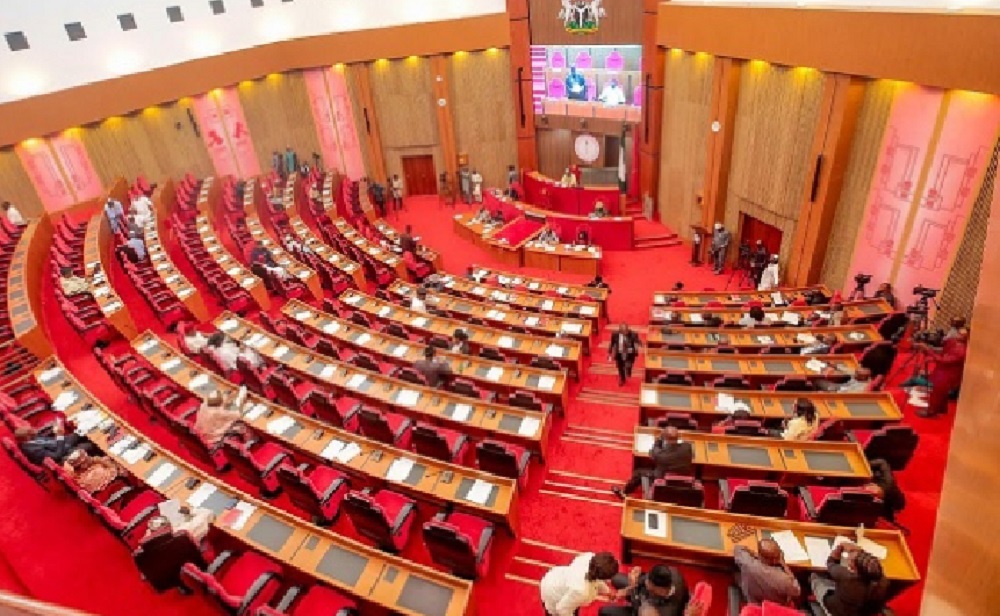
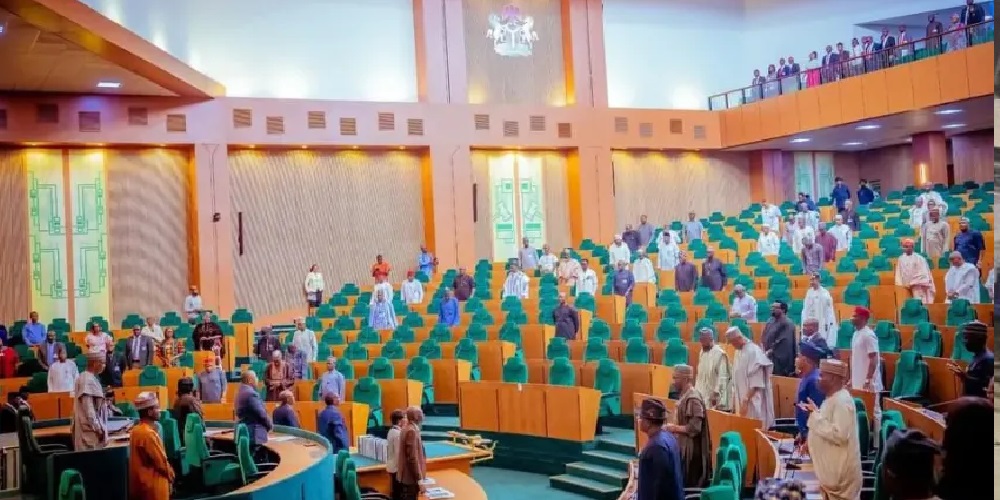
The House of Representatives has commenced consideration of a bill seeking to regulate the practice of nutrition in Nigeria through the establishment of the Nutritionists Registration Council of Nigeria, in a move aimed at tackling quackery and strengthening the country’s response to malnutrition and food insecurity. 
Leading debate on the bill on Thursday at plenary, sponsor, Rep. Chike Okafor, who is the Chairman House Committee on Nutrition and Food Security, said the proposed legislation had become imperative in view of worsening nutrition indicators and the absence of a legal framework governing the profession.
Describing the measure as overdue, Okafor said the bill was “a necessary legislative response to a ticking time bomb of malnutrition and food insecurity” confronting the country.
According to him, the proposed council will regulate, control and standardise the practice of nutrition while protecting Nigerians from unqualified practitioners.
He noted that the title “Nutritionist” currently enjoys no legal protection in Nigeria, creating room for impostors and weakening professional standards.
“The Bill is the necessary legislative response to close that gap, protecting the public from unqualified practitioners. By regulating the nutrition profession, we ensure the public can distinguish between a clinically trained dietitian for disease management and a nutritionist focused on general nutrition value chains and the wellness of Nigerians,” Okafor said.
The lawmaker dismissed suggestions that the proposed legislation will conflict with the Dietitians Council Bill, explaining that both professions perform different but complementary roles within the healthcare system.
According to him, dietitians provide clinical nutrition services for patients suffering from diet-related illnesses such as diabetes and kidney disease, while nutritionists focus on community and public health nutrition, maternal and child nutrition, policy development, research and programme implementation.
Rep. Okafor expressed concern over the country’s rising burden of malnutrition, citing findings from the 2023/2024 National Demographic Health Survey, which he said revealed increasing levels of child malnutrition, stunting and maternal anaemia.
He observed that despite billions of naira invested in nutrition interventions, including the 232-million-dollar Accelerating Nutrition Results in Nigeria (ANRiN) programme, the expected improvements have yet to materialise.
According to him, “there is an obvious disconnect between accountability, resource allocation and successful policy implementation,” a situation he attributed to the lack of a regulatory framework for the nutrition profession.
He explained that the proposed legislation will establish a public register for nutritionists and nutrition assistants, prescribe minimum educational and professional standards, provide for registration and licensing, and create disciplinary procedures for investigating and sanctioning professional misconduct.
Okafor added that the proposed council will work closely with federal and state health authorities, the National Universities Commission and international development partners to promote nutrition education and sustainable food systems across the country.
He also assured lawmakers that the council will be financially self-sustaining, operating in the same manner as other professional regulatory bodies.
The lawmaker argued that proper regulation will ensure qualified nutritionists are deployed across hospitals, primary healthcare centres, schools and correctional facilities, while promoting evidence-based nutrition practice nationwide.
Describing the proposal as crucial to improving public health, Okafor urged members of the House to support the bill.
“This Bill is a necessary instrument to professionalise the nutrition workforce, protect public health and ensure accountability and value for the massive investments in nutrition. It is about safeguarding our future by ensuring our people have access to the best possible advice on what to eat for optimum health,” he said.
If passed into law, the bill will establish the Nutritionists Registration Council of Nigeria to regulate the registration, licensing, professional development and practice of nutritionists across the country.