Connect with us

News

Reps Demand Answers Over N5.3trn CBN Debt, Query OAGF on Deductions from MDAs’ Accounts

Published

on

ADVERTISEMENT
Zoom Ad
ADVERTISEMENT
Zoom Ad

...probe unremitted operating surplus, questions use of statutory funds belonging to UBEC, NASENI and others


By Gloria Ikibah

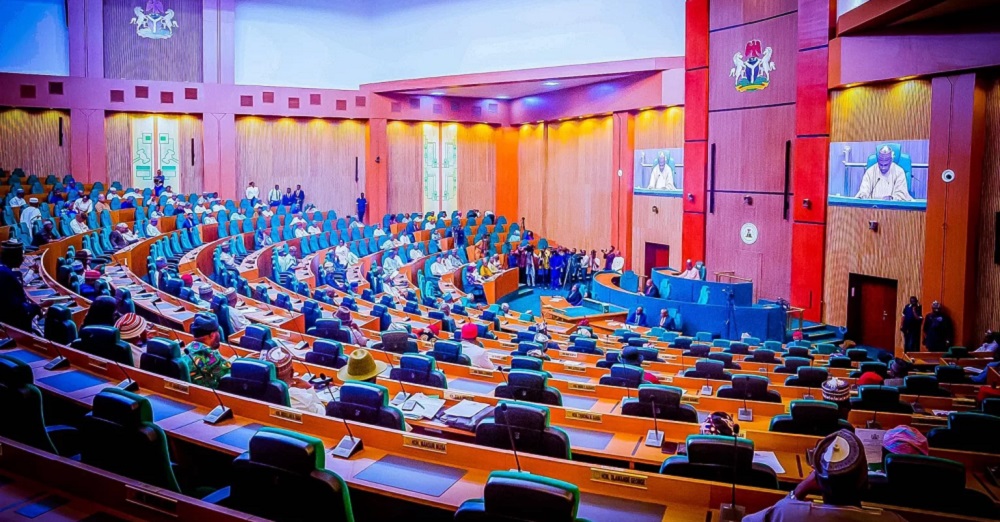
The House of Representatives Public Accounts Committee (PAC) has directed the Office of the Accountant General of the Federation (OAGF) to provide a comprehensive account of unremitted operating surplus allegedly owed to the Federal Government by the Central Bank of Nigeria (CBN), the Nigerian National Petroleum Company Limited (NNPCL) and other revenue-generating agencies.

The committee also demanded explanations over allegations that the OAGF withdrew billions of naira from the accounts of several Ministries, Departments and Agencies (MDAs), including the Universal Basic Education Commission (UBEC), to finance government obligations.

Advertisement

The directives were issued on Monday when the Accountant General of the Federation, Shamseldeen Babatunde Ogunjimi, appeared before the committee during an investigative hearing at the National Assembly.

Raising concerns during the session, committee member Rep. Gboyega Nasir Isiaka said poor remittance of government revenues remained one of Nigeria’s major fiscal challenges.

“I mean, considering our GDP, you know, ours is one of the lowest on the continent, at about 16 per cent. Now, I know that business entities are meant to return about 80 per cent of their taxes, and others are between 20 per cent and 50 per cent.

“From the totality of what we are seeing, there appears to still be some backlog of remittances. Can you give some instances or some figures around this? That is one. Two, even those business entities that are returning, as a member of the economic team, how comfortable are you with the performance of some of those entities given their assets and all of that?

Advertisement

“Like CBN, SEC, NIMASA and some of those. Because it’s not just enough for us to say 80 per cent of their surpluses. What exactly is the surplus they are giving us? These are the asset base that they have in their hand. So I think it’s important for us to have a look at that, in addition to some of the revenues that they are meant to have paid but have not paid for,” Isiaka said.

In response, the Director of Revenue and Investment at the OAGF, Makinde Mogaji, disclosed that the CBN had yet to remit an alleged N5.3 trillion operating surplus to the Federal Government despite repeated recovery efforts.

“Early last year, they were owing the Federal Government N5.3 trillion for their operating surplus and despite all the effort of the PAC, N5.3 trillion CBN, and despite the effort of the PAC to recover the money, they refused to pay. 70 per cent of that money should be paid and behold, CBN refused to pay. That is CBN. And that is just one of our huge sources of revenue. Agency like FAAN, we have record of ₦473 billion paid,” Mogaji said.

On allegations that the OAGF had been making automatic deductions from the accounts of MDAs, the Accountant General defended the practice, describing it as a mechanism designed to enable government meet pressing financial obligations.

Advertisement

He added that some agencies later sought presidential intervention to reverse the deductions.

“That was an ingenious way of taking in advance what is due to government last year, and that was how we were able to rake in a lot of revenue last year.

“Let me add to that. Because when we initiated that move and were able to rake in a lot of revenue, some of these agencies went behind to seek a reversal. So, we’ve been battling with that issue because some went back to Mr President and said that was too much this and that. Some got total cancellation. Some got reduced advance.

“So we have been battling with that and that’s why we were not able to return like what we had last year to that level. And you have instances also where agencies like NNPC refused totally to cooperate… to the extent that they had to be walked out because of their non-compliance and cooperation. NNPC has agreed to some of those liabilities, some they said no they do not agree, so all of that is still being handled by a post-mortem committee,” Ogunjimi said.

Advertisement

Providing further clarification, Mogaji said the automatic deduction mechanism was intended to recover operating surplus in advance, subject to reconciliation.

“Yes, the auto deduction that was established last year has been working perfectly. Like AGF said, the auto deduction is an advance way. It’s a mechanism designed to pick the operating surplus in advance from these agencies, and at the end of the day, they will compute OPS and see whether they have excess or they have been over-deducted. We have some figures here, but they can’t be taken to be the final lists”, he added.

Committee Chairman, Rep. Bamidele Salam, however, questioned the legality of withdrawing statutory allocations from agencies established to perform specific national responsibilities.
He cited complaints received from UBEC and several other government institutions.

“There is an ongoing investigation involving UBEC and other agencies. And in the course of the investigation, the UBEC claimed that, for example, there was a shortfall. There was an authority to incur expenditure of November 2025 which was not released by the Accountant General, ₦16 billion from the Commission’s account. Another ₦15 billion from the Commission’s account which has not been refunded.

Advertisement

“And we actually wondered why these deductions from statutory payments of some of these very critical institutions of government. Not only UBEC. We had the same thing with NASENI. NASENI, was it ₦70 billion or more than that? We have different agencies and they complained. So, what is the justification, Accountant General?” Salam asked.

In response, Ogunjimi maintained that the withdrawals were temporary and carried out only after assessing whether the affected funds had remained idle.

“We have instances where, at a point in time, we have the need to take monies from some of these agencies to be able to meet critical financial obligations of government. Yes, it’s like a borrow, a loan. We are going to refund it and we have been refunding for those agencies. It’s just to meet those critical obligations.

“Sir, first and foremost, Accountant General cannot just sit and begin to pick money from accounts of these agencies. We first analyse, because the directives come from the Honourable Minister. We first analyse how long these funds have remained in the account unutilised. So, if you have this money like six months and government needs funding.

Advertisement

“So we say, let’s take it and then we refund your money when you need it. Like TETFund for instance, we took over ₦300 billion and we have refunded the whole to them. So, if you come back and tell us that we need this money now, can you give us that money, then we process and give it back to them”, he said.

The explanation failed to convince the committee chairman, who insisted that the deductions had undermined the statutory responsibilities of several agencies.

“So, which ones have you refunded? UBEC is crying, NASENI is crying, NBC too is crying. We have quite a number of them. We have more than six that are under various investigations here and that is their major claim, that they don’t know how to approach this matter. The Accountant General just gets into their accounts so they cannot have the money to use for the primary purpose they were meant for.

“Like the one in UBEC, you will agree with me that the problem we have today, including banditry and what have you, is also as a result of our neglect of basic education, especially in the northern part of the country. We have about 13.5 million out-of-school children. UBEC is to construct schools, provide infrastructure and instructional materials. They can’t do that because the fund that is statutorily meant for them is being taken for other purposes,” Salam said.

Advertisement

The committee directed the OAGF to furnish it with detailed records of outstanding operating surplus owed by government agencies, as well as evidence of deductions and refunds made to affected MDAs, as the investigation continues.

Continue Reading
Advertisement

News

AWALCO Honours NUJ FCT Chair Grace Ike, Hails Her Transformational Leadership

Published

on

ADVERTISEMENT
Zoom Ad
ADVERTISEMENT
Zoom Ad

By Gloria Ikibah

The Association of West African Legislative Correspondents (AWALCO) has nominated the Chairman of the Nigerian Union of Journalists (NUJ), FCT Council, Comrade Grace Ike, for a prestigious award in recognition of what it described as her outstanding leadership and contributions to the journalism profession.

The nomination was announced during a courtesy visit by AWALCO executives, led by the association’s President, Comrade Innocent Odoh, to the NUJ FCT Council Secretariat in Abuja.

Odoh applauded Ike’s performance since assuming office, describing her emergence as the first female Chairman of the NUJ FCT Council as a landmark achievement.

Advertisement

He said her leadership had brought visible changes to the council and demonstrated the qualities required to inspire confidence and drive meaningful reforms.

“We are indeed very impressed and inspired. It takes somebody with this kind of courage and commitment, and someone who will take charge of things, and we are really seeing the change,” Odoh said.

He explained that the nomination followed extensive consultations within the association on journalists and media leaders who had distinguished themselves through exceptional service to the profession.

According to him, Ike’s achievements, including her previous role as Chairperson of the House of Representatives Press Corps, made her a worthy candidate for the award.

Advertisement

Odoh disclosed that AWALCO had initially planned to hold the ceremony last year as part of activities marking the 25th anniversary of the ECOWAS Parliament.

However, he said the event had to be postponed after the regional parliament scheduled a separate award ceremony.

He added that the proposed award was also part of the association’s efforts to deepen collaboration with the NUJ FCT Council.

According to him, AWALCO intends to partner with the council to organise seminars, workshops and conferences focusing on democracy, good governance, development and legislative accountability.

Advertisement

Describing the legislature as the backbone of every democratic system, Odoh stressed that parliamentary correspondents have a critical responsibility to examine policies, interrogate democratic processes and ensure that legislation translates into meaningful development for citizens.

With West Africa’s population exceeding 400 million people, he said stronger cooperation between AWALCO and the NUJ will create an opportunity to promote democratic values and strengthen governance across the ECOWAS sub-region.

Responding, Comrade Ike expressed appreciation for the recognition and assured the association of the NUJ FCT Council’s readiness to work closely with AWALCO.

“I really don’t take this award for granted. I’m honoured,” she said.

Advertisement

She emphasised the need for journalists to remain committed to the core values of the profession, including accuracy, fairness, balance and ethical reporting.

According to her, the media remains one of the most important institutions in any society and must continue to serve as a force for accountability and development.

Ike also challenged journalists to broaden their focus beyond traditional reporting areas and pay greater attention to issues capable of driving positive change across Nigeria and the wider West African region.

She reiterated that the welfare of journalists remains one of the key priorities of her administration.

Advertisement

The NUJ chairman also encouraged AWALCO members to uphold the principles of accountability and transparency in all their activities.

She assured the association that the council will support its initiatives through publicity and strategic collaboration.

Ike further urged journalists to critically examine emerging issues affecting democracy in the region, including electoral reforms and other policy proposals capable of strengthening democratic institutions.

She noted that issues with the potential to improve governance should be properly scrutinised and brought into public discourse.

Advertisement

“Leadership is not easy. If you are a leader, you must do everything possible to leave a legacy behind,” she said.

She also encouraged younger journalists to remain committed to changing public perceptions about leadership and service.

According to her, journalists must strive to tell stories that make a meaningful difference and positively impact society.

Also speaking during the visit, AWALCO’s Financial Secretary, Favour Olise, praised Ike’s leadership and urged her to continue mentoring young professionals in the industry.

Advertisement

“Younger ones not in age, younger ones in the journalism profession, carry them along as you are already doing and keep doing the good works,” Olise said.

She described Ike’s achievements as inspiring, particularly her efforts to attract reputable organisations to collaborate with the NUJ.

Olise added that the NUJ chairman’s leadership was contributing significantly to the growth of the profession and strengthening the image of journalism in the Federal Capital Territory.

AWALCO reaffirmed its commitment to strengthening its partnership with the NUJ FCT Council, especially in advancing legislative journalism, promoting democratic accountability and supporting good governance across Nigeria and the West African sub-region.

Advertisement
Continue Reading

News

EU Releases €2.3m Emergency Fund as Cholera Cases Surge Across West/Central Africa

Published

on

ADVERTISEMENT
Zoom Ad
ADVERTISEMENT
Zoom Ad

By Gloria Ikibah

The European Union has approved €2.3 million in emergency humanitarian funding to help Nigeria, Cameroon, Chad and the Central African Republic contain the worsening cholera outbreak spreading across West and Central Africa.

The intervention comes as the World Health Organization (WHO) reported more than 61,000 cholera cases across the African region within the first five months of 2026, raising concerns over the growing public health crisis.

Nigeria, which has recorded one of the highest disease burdens, will receive the largest share of the funding, amounting to €1.5 million.

Advertisement

According to the European Commission, the support will be used to expand emergency response teams, provide essential medical supplies, distribute cholera treatment kits and strengthen water, sanitation and hygiene interventions.

The funding will also support the treatment of public water sources and household water, improve epidemiological surveillance in hard-to-reach communities and strengthen case management, risk communication and public awareness campaigns.

Cameroon will receive €100,000 to support outbreak containment efforts through the deployment of additional personnel, provision of essential medicines and establishment of more cholera treatment units and oral rehydration centres in affected communities.

In the Central African Republic, €500,000 has been earmarked to improve case management, expand vaccination campaigns and strengthen water, sanitation and hygiene programmes.

Advertisement

The funding will also support surveillance, case detection, community engagement and provision of safe and dignified burials.

Chad will receive €200,000 to improve access to clean water, strengthen sanitation services and support community-based surveillance and treatment programmes aimed at stopping the spread of the disease.

European Commissioner for Preparedness and Crisis Management, Hadja Lahbib, said the outbreak highlighted the devastating consequences of inadequate access to basic healthcare and clean water.

“Cholera is preventable and treatable. Yet it still threatens lives when people lack something as basic as safe water and healthcare.

Advertisement

“At a time when humanitarian needs are growing and resources are shrinking, Europe is not looking away.

“This emergency funding will help our partners act quickly, contain the outbreaks and protect the communities most at risk,” Lahbib said.

Health experts say cholera is caused by the Vibrio cholerae bacterium and is commonly transmitted through contaminated water or food.

The disease can cause severe diarrhoea, leading to rapid dehydration and shock if left untreated.

Advertisement

Although cholera remains a major public health challenge in many developing countries, the European Commission noted that it is not a common health problem in Europe and that the risk of transmission from imported cases remains low.

The latest intervention underscores growing international concern over the spread of cholera across Africa, where poor sanitation, limited access to clean water and humanitarian crises continue to fuel outbreaks.

Public health experts have repeatedly stressed that improving access to safe drinking water and strengthening healthcare systems remain the most effective long-term solutions to preventing future outbreaks.

Advertisement
Continue Reading

News

Abuja Set for Global PR Summit as Nigeria Unveils Jollof Festival, Cultural Showcase

Published

on

ADVERTISEMENT
Zoom Ad
ADVERTISEMENT
Zoom Ad

By Gloria Ikibah

Abuja the nation’s capital is set to become the global capital of public relations in November as communication experts, policymakers, diplomats, academics and business leaders from across the world converge on Nigeria for the 2026 World Public Relations Forum (WPRF).

Beyond professional discussions, organisers have unveiled an ambitious cultural programme that includes the maiden edition of the Nigeria Jollof Rice Festival, expected to attract about 10,000 participants, alongside a fashion showcase designed to promote Nigeria’s rich cultural heritage.

The week-long event, themed “Responsible Communication: The Voice of the World,” will examine the evolving role of communication in governance, peacebuilding, technology, conflict resolution, sustainable development and the fight against misinformation.

Advertisement

President and Chairman of the Nigerian Institute of Public Relations (NIPR), Dr Ike Neliaku, disclosed the plans during a briefing with members of the Diplomatic Corps in Abuja on Monday.

According to him, the forum will go beyond the traditional conference format by creating a platform for direct engagement between communication professionals and key stakeholders from different sectors.

He explained that the event would bring together policymakers, business executives, diplomats, security experts, academics and other major users of communication services.

Neliaku said one of the most significant outcomes of the gathering would be the development of the Abuja Declaration on Responsible Communication, a framework expected to shape the future of public relations over the next decade.
He noted that organisers intentionally designed the forum to encourage dialogue among stakeholders from different sectors.

Advertisement

“We deliberately decided to bring stakeholders into the same room to listen to their expectations, challenges and experiences,” he said.

The forum is expected to attract participants from the fields of politics, governance, business, commerce, technology, academia, security, faith-based organisations, traditional institutions, diplomacy, youth development and civil society.
Activities lined up for the event include high-level policy dialogues, workshops, masterclasses, networking sessions and expert-led discussions.

The event will also host the 37th African Public Relations Association (APRA) Conference and an African Ministers of Information Roundtable, which Nigeria’s Minister of Information is expected to lead.

Perhaps one of the biggest attractions of the forum will be the introduction of the Nigeria Jollof Rice Festival, which organisers say will combine culture, cuisine and social responsibility.

Advertisement

The festival is expected to provide meals for about 10,000 people while promoting one of Nigeria’s most celebrated dishes on the global stage.

International visitors will also have the opportunity to experience African fashion through a seven-hour tailoring pavilion, where delegates can have traditional outfits made and take them home as souvenirs.

The programme will further feature exhibitions, entertainment and an interactive experience zone showcasing Nigerian and African art, food, culture and creativity.

Neliaku said the cultural elements were deliberately integrated into the programme to ensure that visitors experience Nigeria beyond the conference environment.

Advertisement

Another major highlight of the forum will be the proposed Abuja Declaration on Responsible Communication.

The declaration is expected to build on the historic 1978 Mexico Statement, which established a widely accepted definition of public relations and outlined the profession’s core responsibilities.

Neliaku explained that the communication landscape has changed significantly over the past five decades, particularly with the emergence of artificial intelligence, social media, digital platforms and the increasing spread of misinformation.

He said the forum would provide an opportunity for global communication experts to review existing principles and develop a framework that reflects today’s realities.

Advertisement

The discussions, he added, will focus on how communication can better support governance, peacebuilding, conflict resolution and the management of emerging global challenges.

Describing the event as a “once-in-a-lifetime engagement,” Neliaku urged stakeholders to actively participate in shaping the future of the profession.

President Bola Ahmed Tinubu is expected to serve as the chief host, while President Hakainde Hichilema of Zambia is expected to deliver the presidential keynote address.

Representatives from several international organisations, including the United Nations, the World Bank, UNESCO, Interpol, the World Press Agency and the World Customs Organisation, are also expected to attend.

Advertisement

The programme will feature the World Public Relations Awards to recognise outstanding individuals and organisations, while a special Global Alliance publication on responsible communication is expected to be unveiled.

Youth engagement will also feature prominently, with the Global Youth Public Relations Summit scheduled for November 20, 2026.

Neliaku said the NIPR, Global Alliance for Public Relations and Communication Management, and APRA are committed to developing the next generation of communication professionals.

He urged diplomatic missions to encourage young people from their respective countries to participate.

Advertisement

According to him, young people must be given opportunities to engage in international conversations and develop the skills required to become responsible leaders.

Speaking on behalf of the Dean of the Diplomatic Corps, the Philippine Ambassador to Nigeria, Ambassador Mersole Mellejor, described the forum’s theme as both timely and relevant.

He noted that the growing spread of misinformation and fake news had made responsible communication more important than ever.

According to him, the forum will provide an opportunity for communication experts, academics and policymakers to examine how communication could promote social cohesion, inclusion, good governance and sustainable development.

Advertisement

Mellejor also described Nigeria as a major economic, cultural and innovation hub, adding that Abuja was an ideal venue for the global gathering.

He assured organisers of the support of the Diplomatic Corps.

With its blend of professional dialogue, cultural diplomacy, food, fashion and entertainment, WPRF 2026 is expected to offer the world a unique opportunity to experience Nigeria while shaping the future of global communication.

Advertisement
Continue Reading

Trending

Copyright © 2024 Naija Blitz News