

Two years after the Independent Corrupt Practices and Other Related Offences Commission (ICPC) uncovered and seized N24 billion allegedly meant for the payment of ghost workers’ pensions, no individual or organisation has come forward to claim ownership of the funds or challenge the seizure in court.
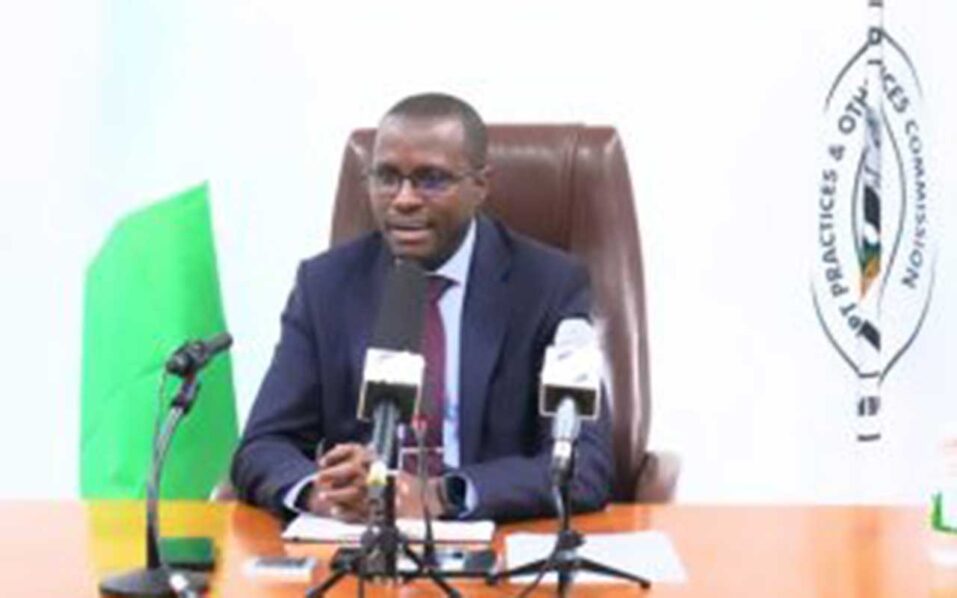
ICPC Chairman, Dr Musa Aliyu, disclosed this on Thursday in Abuja while delivering a lecture titled, “Anti-Corruption Reforms, Economic Stability and Effective Communication,” organised by Economic Confidenti. 
Aliyu said investigations by the commission had uncovered cases in which unpatriotic civil servants allegedly enrolled their children and other family members as ghost workers on government payrolls.
According to him, one individual was found to have enrolled 14 members of his family on the payroll and was allegedly collecting 13 salaries.
“Up till now, no single person has come out to claim the N24 billion or gone to court to claim ownership of the money,” Aliyu said.
He said the commission would continue to investigate payroll fraud and other financial irregularities in government institutions to protect public funds.
The ICPC chairman described corruption as one of the greatest challenges confronting Nigeria, stressing that the menace must be tackled with seriousness if the country is to achieve sustainable economic progress.
He called for stronger enforcement of anti-corruption laws, noting that the country continues to lose significant amounts of money through bribery and other corrupt practices.
Aliyu also expressed concern over the involvement of some public officials in economic crimes, despite their responsibility to serve as role models for younger Nigerians.
He said some officials allegedly use consultants as intermediaries to facilitate corrupt activities and conceal the movement of illicit funds.
Recalling a major case uncovered by the ICPC in 2012, Aliyu cited an alleged diversion of $65 million released for the construction of houses for public officers to address accommodation challenges.
He said instead of using the funds for the intended purpose, those involved allegedly diverted the money and abandoned the housing project.
The ICPC chairman warned that pervasive corruption could discourage both local and foreign investment, stressing that investors would be reluctant to commit their resources to an environment where corruption thrives.
He said the commission would henceforth place greater emphasis on strengthening weak government systems that create opportunities for fraud and undermine economic growth.
Aliyu also referred to the recent discovery of a fake government agency, saying such an organisation should have been detected earlier if the country’s institutional systems were sufficiently robust.
He further identified the insertion of unexecuted projects into government programmes as another consequence of weak systems, saying the practice deprives Nigerians of value for money.
According to him, contractors found to have been awarded such projects would be compelled to execute them once identified.
To build a stronger culture of integrity, Aliyu urged Nigerians to begin anti-corruption campaigns from the primary school level, saying children should be taught early about the dangers and consequences of corruption.
He said such efforts would help raise a generation that would reject corrupt practices and demand accountability from public officials.
“Nigeria can capture corruption and a solid foundation will come up for the country on integrity. The damaging effect of corruption is too much and must not be allowed to thrive,” he said.
Aliyu added that the ICPC would focus on addressing systemic weaknesses that facilitate corruption in areas including constituency projects and payroll management, while working to sanitise the public sector.