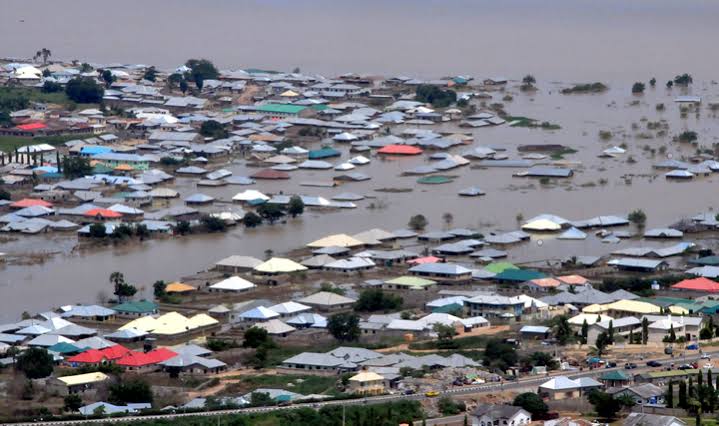


Flooding in Abuja and the Federal Capital Territory (FCT) is not a new phenomenon, nor did it begin with the current administration.
Available records and reports show that flooding has remained a recurring challenge across the nation’s capital for decades, affecting communities under successive administrations.
Historical reports indicate that flooding incidents were recorded in parts of the FCT as far back as 1995, with further incidents reported in 1999. 
The problem became particularly severe in 2012, when several communities across the territory were affected by heavy flooding.
The pattern continued in subsequent years. In 2014, Trademore and other communities experienced flooding, while Lokogoma and surrounding areas were badly affected in 2017.
Flooding was also reported in Karshi and Kokosu in 2018, followed by severe incidents in Lokogoma in 2019.
In 2020, communities in Gwagwalada and other parts of the FCT were affected.
The following year, Trademore and Lugbe again witnessed serious flooding.
The scale of the problem increased in 2022, when several Abuja communities, including areas around the city centre, experienced major flooding. Trademore and other communities were again affected in 2023, while Orozo and other areas recorded flooding incidents in 2024.
The history makes one point clear: Abuja’s flooding problem predates the present administration and has persisted through different governments.
This, however, should not be used to dismiss the concerns of residents who continue to suffer losses whenever heavy rainfall overwhelms drainage systems and waterways.
Rather than turning every flooding incident into a political blame game, the focus should be on finding lasting solutions.
The FCT requires better and interconnected drainage systems, proper urban planning, protection of natural waterways, effective waste management and strict enforcement of regulations against construction on flood plains and drainage channels.
Urban development must also take account of changing rainfall patterns and the rapid expansion of Abuja and its satellite communities. Areas that were once sparsely populated are now densely built up, increasing pressure on existing drainage infrastructure.
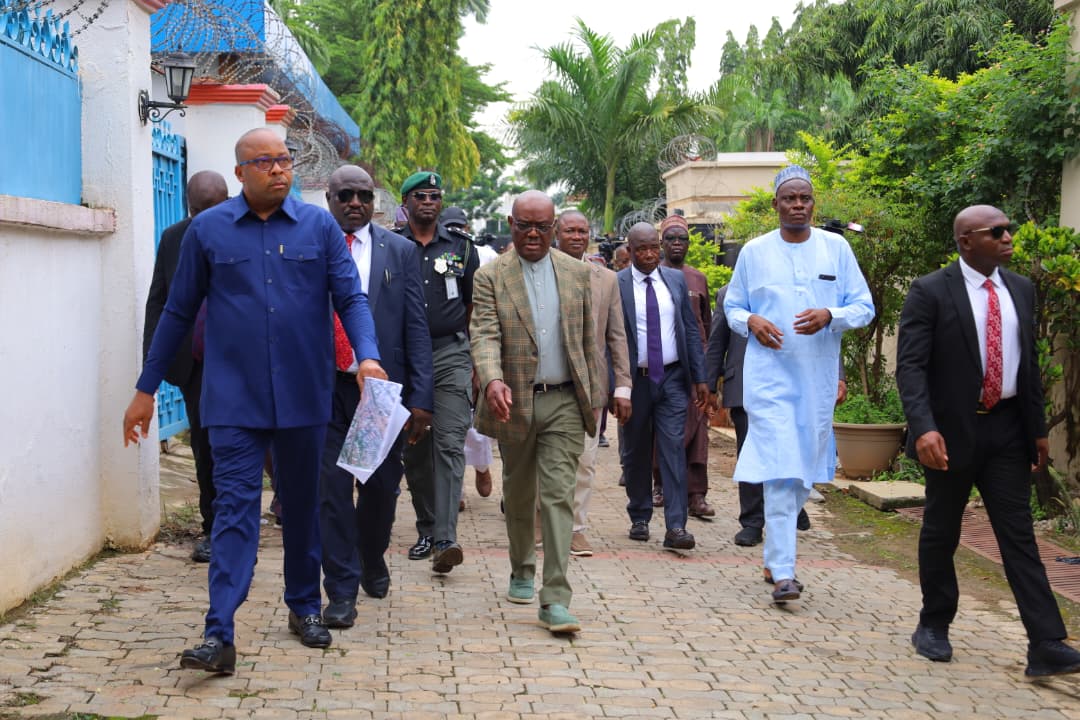
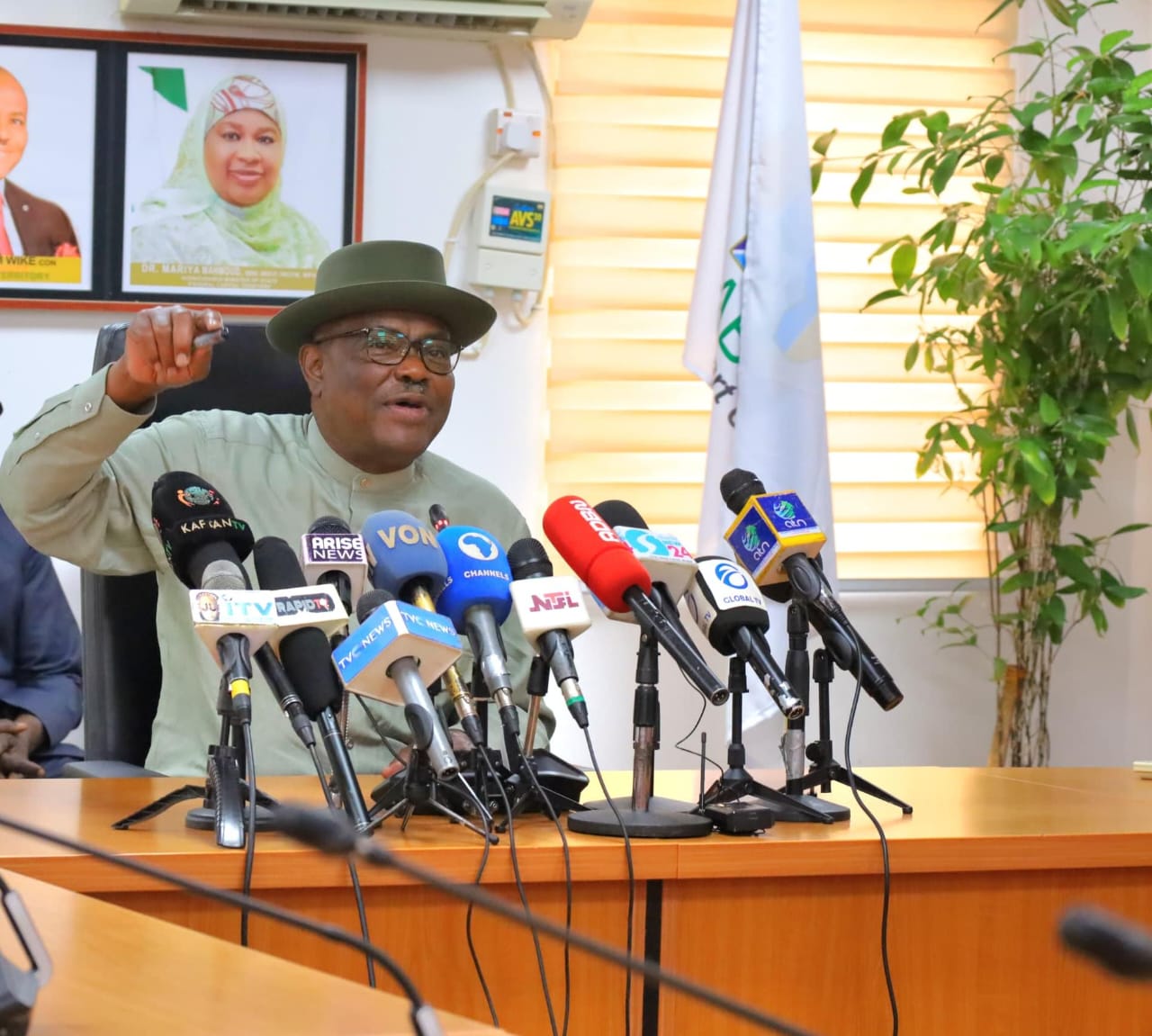
The current FCT administration, led by Minister Nyesom Wike, therefore faces an important responsibility. The recurring nature of the problem provides an opportunity to develop a comprehensive flood-management strategy that goes beyond emergency interventions after every major rainfall.
Wike has repeatedly emphasised infrastructure development in the FCT. The real test will be whether ongoing and future projects can significantly reduce the frequency and impact of flooding across vulnerable communities.
Abuja’s flooding crisis should therefore be treated as a long-standing urban planning and infrastructure challenge, rather than simply a political weapon. What residents need is not an argument over who started the problem, but a sustainable solution that protects lives, homes, businesses and public infrastructure.
The history of flooding in Abuja is clear. The challenge is decades old; the responsibility to fix it is now.