Connect with us

Entertainment

Fola, Omah Lay, Ayra Starr Lead 2026 Headies Nominations [FULL LIST]

Published

on

ADVERTISEMENT
Zoom Ad
ADVERTISEMENT
Zoom Ad

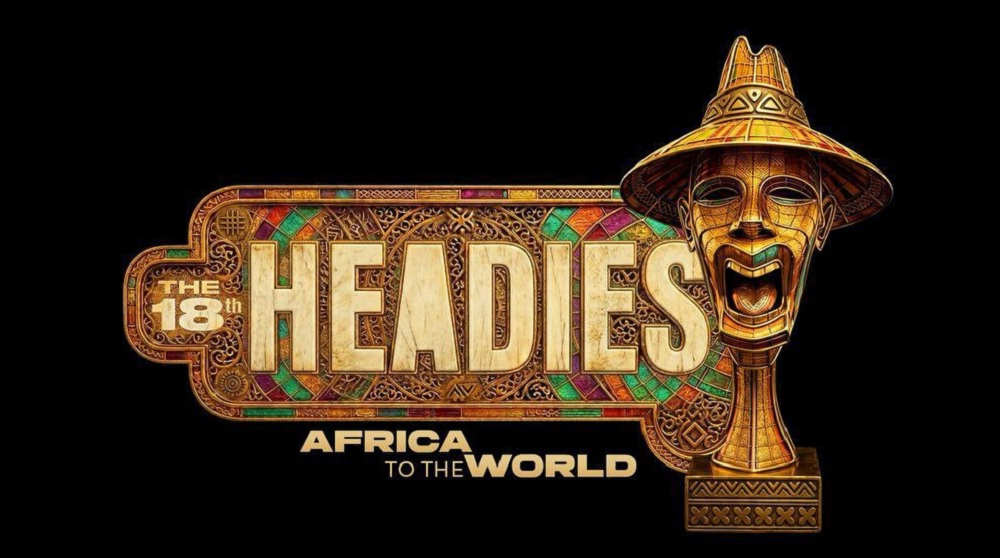
The 18th Headies, themed “Africa to the World,” is scheduled to hold in Toronto, Canada, on October 25, 2026.


Rising Nigerian singer Fola has emerged as the leading nominee for the 18th edition of The Headies, securing 10 nominations as the organisers unveiled the nominees for the 2026 awards on Tuesday.

Fola’s nominations span several major categories, including Album of the Year, Best Male Artiste, Digital Artiste of the Year, Best R&B Album, Best Recording of the Year and Next Rated, following the success of his debut album, Catharsis. His nominations place him ahead of some of Africa’s biggest music stars and underline the growing presence of a new generation of Nigerian artistes on the continent’s biggest award platforms.

Omah Lay follows with eight nominations, while Mavo and Wizkid each received seven. Davido and Asake are also among the leading nominees with six nominations apiece. Ayra Starr and Tiwa Savage lead the female nominees with five nominations each.

Advertisement

The 18th Headies, themed “Africa to the World,” is scheduled to be held in Toronto, Canada, on October 25, 2026. The international staging continues the awards’ effort to position African music on a wider global platform after previous editions were held outside Nigeria.

Leading New Generation

Fola’s strong showing is one of the biggest talking points from this year’s nominations, particularly as he competes alongside established names for some of the ceremony’s biggest prizes.

His Catharsis album earned recognition in both Album of the Year and Best R&B Album, while “You” was nominated for Song of the Year, Afrobeats Single of the Year, Best Recording of the Year and Viewers’ Choice.

Advertisement

Omah Lay’s eight nominations also reflect the impact of his recent releases, with his collaboration with Davido, “With You,” featuring prominently across the nominations. The song is in contention for Song of the Year, Afrobeats Single of the Year, Best Recording of the Year, Best Collaboration, Music Video of the Year and Viewers’ Choice.

Mavo, another emerging name, also secured seven nominations, reinforcing the growing influence of younger artistes alongside established stars such as Wizkid, Davido, Burna Boy and Asake.

The Next Rated category further reflects this changing landscape, with Fido, Fola, Llona, Mavo and Shoday competing for the award given to an emerging artiste considered to have the potential for mainstream success. The official Headies description says the category recognises an artiste poised for mainstream superstardom.

Major Categories Feature Top African Stars
The Song of the Year category features six contenders: Kunmie’s “Arike,” Poco Lee, Shoday and Rahman Jago’s “Hey Jago,” Ayra Starr’s “Hot Body,” Fido’s “Joy Is Coming,” Asake and Wizkid’s “MMS,” and Davido and Omah Lay’s “With You.”

Advertisement

The Afrobeats Single of the Year category includes Rema’s “Fun,” Asake and Wizkid’s “Jogodo,” Shallipopi’s “Laho,” Davido and Omah Lay’s “With You,” Fola’s “You,” and Burna Boy’s “Bundle by Bundle.”

The Afrobeats Album of the Year race is equally competitive, with Davido’s 5ive, BNXN’s Captain, Omah Lay’s Clarity of Mind, Adekunle Gold’s Fuji, Wizkid’s Morayo and Burna Boy’s No Sign of Weakness nominated.

For Album of the Year, Catharsis by Fola, Tiwa Savage’s This One Is Personal, Wizkid’s Morayo, Burna Boy’s No Sign of Weakness, Omah Lay’s Clarity of Mind, Erigga’s G.O.A.T and Odumodublvck’s The Machine Is Coming are among the contenders.

The Best Male Artiste category features Adekunle Gold, Asake, Fola, Mavo, Rema, Wizkid and Burna Boy, while the Best Female Artiste category has Ayra Starr, Qing Madi, Sewa, Tems, Teni and Tiwa Savage.

Advertisement

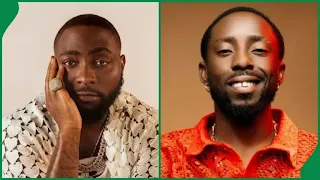
Davido and Omah Lay’s “With You” is one of the most prominent songs in this year’s nominations, appearing in several major categories.

The track competes for Song of the Year, Afrobeats Single of the Year, Best Recording of the Year, Best Collaboration and Viewers’ Choice, while its music video is also nominated for Music Video of the Year.

Other notable categories include Best Performer (Live), where Adekunle Gold, Asake, Ayra Starr, Johnny Drille and Ruger are nominated.

The Best R&B Album category features Kunmie’s Before We Became Strangers, Fola’s Catharsis, Qing Madi’s I Am the Blueprint, Tems’ Love Is a Kingdom, Tay Iwar’s Reflection Station and Tiwa Savage’s This One Is Personal.

Advertisement

Longomba, Hammond To Receive Special Honours

The 18th Headies will also recognise two prominent figures for their contributions to African entertainment.

Congolese music legend Awilo Longomba will be inducted into the Headies Hall of Fame, an honour reserved for individuals of African descent who have demonstrated outstanding impact on the continent’s entertainment industry.

Nigerian entertainment executive Cecil Hammond will receive the Special Recognition Award for his contribution to African entertainment.

Advertisement

The honours add a continental dimension to an edition that is already emphasising the global reach of African music.

Global Footprint Expansion

The 18th edition comes after the 17th Headies returned to Nigeria following two consecutive editions in Atlanta, United States.

The 17th ceremony, themed “Back to Base,” was held at the Landmark Event Centre in Lagos on April 27, 2025.

Advertisement

It saw Rema’s Heis win Album of the Year and Afrobeats Album of the Year, while Odumodublvck won the Next Rated award and Zerry DL emerged as Rookie of the Year. Tems won Best Recording of the Year for “Burning”, while Davido took home Digital Artiste of the Year.

The ceremony also honoured the late singer Mohbad, whose collaboration with Chike, “Egwu,” won both Best Music Video and Viewers’ Choice, while Mohbad received the Best Street-Hop Artiste award posthumously.

However, the 17th edition was affected by technical and scheduling problems, with several categories left without on-night announcements. Reports said the ceremony ended before awards including Best Collaboration, Best R&B Single, Best Rap Album and Best Performer (Live) could be presented.

With the 18th edition now moving to Toronto, the organisers are once again taking the Headies beyond Nigeria, this time under the broader theme “Africa to the World.”

Advertisement

According to the organisers, the eligibility period covers singles, videos, EPs and albums released and distributed on digital streaming platforms between August 1, 2024, and April 30, 2026. The awards include both voting and non-voting categories, with the latter determined by judges.

The 2026 nominations comprise 213 nominations across 35 categories, bringing together established African stars, emerging artistes and international acts. The International Artiste of the Year category includes Ciara, Dave, Gunna, Jazmine Sullivan, Shenseea and Tiakola.

BEST ALTERNATIVE SONG
Luwa Mp4, Jeleel! – Cyk Baddie
Sewa – Lagos Lovin
Wizard Chan – Oliver
Blnde – Omo to sexy
Wave$tar – Prada Baby
Obongjayar – Sweet Danger
Chief Priest, Boypee, Zoro – Summer Adina

BEST ORIGINAL SONG FOR VISUAL MEDIA
All My Love — Osas Okonyon & Abbey Wonder, from Evi
Behind the Scenes — Funke Akindele & Tolu Obanro, from Behind the Scenes
Save Me — Oscar Heman-Ackah & 2Baba, from To Kill a Monkey
Only in Lagos — WurlD & Liya, from Christmas in Lagos

Advertisement

AFRICAN DIASPORA CANADIAN ARTISTE
Debby Friday — Lipsync
Tôme — CC ft Alpha P
Bolu Ajibade — Diana with Friyie
Nonso Amadi — Dive In
Rooky Kamiz — Deeper
Tobi — Out the Mud

EAST AFRICAN ARTISTE
Abigail Chams (Tanzania)
Bien (Kenya)
Bruce Melodie (Rwanda)
Harmonize (Tanzania)
Joshua Baraka (Uganda)

WEST AFRICAN ARTISTE
Black Sherif (Ghana)
Himra (Côte d’Ivoire)
KiDi (Ghana)
King Promise (Ghana)
Moliy (Ghana)
Wally B. Seck (Senegal)

NORTH AFRICAN ARTISTE
Balti (Tunisia)
Dystinct (Morocco)
Marwan Moussa (Egypt)
Soolking (Algeria)
Tul8te (Egypt)
Stonebwoy (Ghana)
CENTRAL AFRICAN ARTISTE
Fally Ipupa (DR Congo)
Ferré Gola (DR Congo)
Héritier Watanabe (DR Congo)
Hiro (DR Congo)
Innoss’B (DR Congo)
Locko (Cameroon)
BEST INSPIRATIONAL SINGLE
Amioluwa — Sunmisola Agbebi ft Yinka Okeleye
Favour — Lawrence Oyor
Idinma (You Are Good) — Sinach
Korin Iyin (I Will Praise You) — EmmaOMG
No Turning Back 2 — Gaise Baba ft Lawrence Oyor
We Move — Mercy Chinwo
MUSIC VIDEO OF THE YEAR
10 Kilo (Davido) — Director Pink
Afroculture (Flavour, Baaba Maal) — TG Omori
Bundle by Bundle (Burna Boy) — DK
Kai (Olamide, Wizkid) — Jyde Ajala
Whos Dat Girl (Ayra Starr, Rema) — Meji Alabi
With You (Davido, Omah Lay) — Dammy Twitch
BEST RAP ALBUM
Tuff King – Black Sheepizen
AQ- GE3
Erigga – G.O.A.T
Jeriq – King
Blaqbonez – No excuses
Odumodublvck – The machine is coming
BEST VOCAL PERFORMANCE (FEMALE)
LAYEFA – 6:35
AMAEYA – How do you?
Sewa – Lagos Lovin
Qing Madi – Scumbag
Liya – Skin to Skin
Tiwa Savage – You4me
BEST COLLABORATION
CKay & Mavo — Body (Danz)
Mavo & Wave$tar — Escaladizzy
Poco Lee, Shoday & Rahman Jago — Hey Jago
Fola, Kizz Daniel – Lost
Odumodublvck & Victony — Pity This Boy
Davido & Omah Lay — With You
Mr Eazi & King Promise — See What We’ve Done
Chief Priest & Spyki — Finally
BEST VOCAL PERFORMANCE (MALE)
Adekunle Gold – Im not done
Flavour – Orente
Magixx – Winter & Summer
Odeal – Patience
Syemca – Love Egbugomo
Tay Iwar – Bad Belle
INTERNATIONAL ARTISTE OF THE YEAR
Ciara
Dave
GUNNA
Jazmine Sullivan
SHENSEEA
TIAKOLA
BEST SOUTHERN AFRICAN ARTIST
CIZA
DJ MAPHORISA
JAZZWRLD
KABZA DE SMALL
TYLA
UNCLE WAFFLES
AFROBEATS ALBUM OF THE YEAR
Davido – 5ive
Bnxn – Captain
Omah Lay – Clarity of Mind
Adekunle Gold – Fuji
Wizkid – Morayo
Burna Boy – No Sign of Weakness
BEST RAP SINGLE
2:02PM in London — ODUMODUBLVCK
ACL — Blaqbonez
Man2Man — Dremo
PDSTRN — Moshood
Nkemakonam — Tuff King
Wuse Tu — Zaylevelten, Mavo
John Wick — Zhus Jdo
BEST FEMALE ARTISTE
Ayra Starr
QING MADI
SEWA
Tems
Teni
Tiwa Savage
BEST MALE ARTISTE
Adekunle Gold
Asake
FOLA
MAVO
Rema
Wizkid
Burna Boy
SONG WRITER OF THE YEAR
Adekunle Gold
Victony
WIZARD CHAN
FOLA
KUNMIE
AMAEYA
BEST STREET HOP ARTISTE
FAMOUS PLUTO
KASHCOMING
POCO LEE
SEYI VIBEZ
SHALLIPOPI
TUFF KING
RYBEENA
ROOKIE OF THE YEAR
AMMA
DANPAPA GTA
FIRSTKLAZ
KIDD CARDER
NO11
PRIESST
OG ABBAH
ALBUM OF THE YEAR
Fola – Catharsis
Omah Lay – Clarity of Mind
Erigga – G.O.A.T
Wizkid – Morayo
Odumodublvck – The Machine is coming
Tiwa Savage – This one is personal
Burna Boy – No Sign of Weakness
NEXT RATED
FIDO
FOLA
LLONA
MAVO
SHODAY
PRODUCER OF THE YEAR
MAGICSTICKS
P. PRIIME
RAGEE
SARZ
TEMPOE
BEST RECORDING OF THE YEAR
Kunmie — Arike
Amaeya — How Do You?
Rema — Baby (Is It A Crime)
OMAH LAY ft. ELMAH — Coping Mechanism
Davido ft. OMAH LAY — With You
FOLA — you
BEST ALTERNATIVE ALBUM
Showdemcamp – Afrika Magik
Sewa – Detox
Boj – Duplicity
Wizard Chan – Healers Chapel
Scottyolorin – Olorin Pack
Zaylevelten – Then 1t Got Crazy
HEADIES VIEWERS CHOICE
Ayra Starr — Hot Body
Mavo — Escaladizzy ft. WAVE$TAR
Davido — With You ft. OMAH LAY
Rema — Baby (Is It A Crime)
FOLA — you
Wizkid — Jogodo with Asake
Kunmie — Arike
BEST R&B ALBUM
Kunmie – Before We Became Strangers
Fola – Catharsis
Qing Madi – I am the Blueprint
Tems – Love is a kingdom
Tay Iwar – Reflection Station
Tiwa Savage – This one is personal
LYRICIST ON THE ROLL
Blaqbonez – ACL
Dremo – Man2Man
Modenine – If you like Gym w/ Odumodublvck
Pdstrn – Moshood
Ycee – Man2man Remix w/ Dremo
SONG OF THE YEAR
Kunmie – Arike
Poco lee, Shoday, Rahman Jago – Hey Jago
Ayra Starr – Hot Body
Fido – Joy is Coming
Asake, Wizkid – MMS
Davido, Omah Lay – With You
BEST PERFORMER (LIVE)
Adekunle Gold – Live at National Theatre, Lagos
Asake – Red Bull Symphonic
Ayra Starr – Global Citizen Festival 2025
Johnny Drille – Johnny’s Room Live 6
Ruger – Live at Indigo at The O2, 2025
DIGITAL ARTISTE OF THE YEAR
Asake
Ayra Starr
BNXN
Chella
FOLA
MAVO
Seyi Vibez
Wizkid
AFROBEATS SINGLE OF THE YEAR
Rema – Fun
Wizkid, Asake – Jogodo
Fido – Joy is Coming
Davido, Omah Lay – With You
Fola – You
Burna Boy – Bundle by Bundle
Advertisement
Continue Reading
Advertisement

Entertainment

Olu Jacobs: The Life, Times and Legacy of a Nollywood Legend

Published

on

ADVERTISEMENT
Zoom Ad
ADVERTISEMENT
Zoom Ad

Oludotun Baiyewu Jacobs, popularly known as Olu Jacobs, was far more than a movie star.

For generations of Nigerians and African audiences, he represented the power, discipline and dignity of the professional actor.

His career crossed theatre, television and film, taking him from Nigeria to Britain and back, and ultimately making him one of the most recognisable faces of African cinema.

Olu Jacobs died on September 16, 2026, at the age of 84, after a career spanning several decades.

Advertisement

His death was announced by his family through his wife, veteran actress Joke Silva, who described him as “The Lion of Lufodo” and asked the public to respect the family’s privacy.

His death marked the end of an extraordinary chapter in Nigerian acting.
Early life: From Abeokuta roots to Kano
Olu Jacobs was born July 11, 1942, to parents of Egba Alake heritage from Abeokuta, Ogun State. Although his family roots were in southwestern Nigeria, he spent part of his childhood in Kano, in northern Nigeria.

As a young boy, Jacobs developed an interest in performance. His involvement in drama and debating during his school years helped nurture that interest.

Accounts of his early life also recall his fascination with stage performances, including the concert parties of legendary Nigerian dramatist Hubert Ogunde. Those experiences helped convince the young Jacobs that acting could become more than a childhood fascination—it could become his life’s work.

Advertisement

He attended Holy Trinity School, where he became involved in debating and drama activities.

The decision to pursue acting professionally was not necessarily an easy one. Jacobs eventually made the bold decision to travel to Britain to obtain formal dramatic training.
The RADA years: Building a professional actor
Jacobs trained at the prestigious Royal Academy of Dramatic Art (RADA) in London, one of Britain’s most respected institutions for dramatic training.

This period was critical to the development of his craft.

Rather than entering the entertainment industry solely through popular theatre or television, Jacobs received rigorous professional training in acting. After his studies, he worked with repertoire theatre companies in Britain and developed experience on stage and television.

Advertisement

His British career included appearances in television productions such as The Goodies, Till Death Us Do Part, The Professionals, The Tomorrow People and The Venturers, according to biographical accounts.

He also appeared in international films, including The Dogs of War, Pirates and Baby: Secret of the Lost Legend.

African Movie Database

These experiences gave him something that would later distinguish him in Nigeria: the combination of formal dramatic training, stage discipline and international performance experience.

Advertisement

Coming home: The Nigerian stage beckoned
After years working in Britain, Jacobs eventually returned to Nigeria.

His return came at a particularly important period in the development of Nigerian television, theatre and film.
He became involved in Nigerian stage and television productions and emerged as one of the country’s most respected professional actors.

One of the productions associated with his early Nigerian television prominence was the NTA detective series The Third Eye. His work in Nigerian television helped establish him as a household name before the explosion of home-video filmmaking that would later become known as Nollywood.

This distinction is important.

Advertisement

Olu Jacobs was not a product of Nollywood alone.
He belonged to an earlier generation of Nigerian performers who had already established careers in professional theatre and television before the Nigerian home-video industry became a global phenomenon.

That background helped make him one of the bridges between Nigeria’s old theatrical tradition and the emerging film industry.

The Nollywood explosion

During the 1990s and 2000s, Nigeria’s home-video industry expanded dramatically.

Advertisement

Films began reaching audiences throughout Nigeria and across Africa, and Jacobs became one of the industry’s most dependable and recognisable performers.

He appeared in more than 100 films, with some sources putting his career output at more than 120 productions.

His distinctive voice, commanding screen presence and ability to portray authority figures made him particularly memorable.

He could play:
a traditional ruler;
a wealthy patriarch;
a village elder;
a political leader;
a businessman;
a father;
a villain;
a respected community leader;
or a deeply flawed and conflicted character.
His portrayal of kings and traditional rulers became so strongly associated with his public image that he acquired the nickname “Igwe of Nollywood.”

Advertisement

But reducing him to kingly roles would underestimate his range.

His greatest strength was his ability to make characters appear lived-in rather than performed.

Why Olu Jacobs stood apart

At a time when Nigerian films were increasingly being produced quickly for the home-video market, Jacobs brought a different level of theatrical discipline.
He understood:
voice.
movement.
timing.

Advertisement

silence.
facial expression.
character development.

He could dominate a scene without shouting.

A look, pause or change in tone could communicate authority, anger, disappointment or affection.

That quality helped establish him as one of the actors whom younger performers could study.

Advertisement

His deep, unmistakable voice became one of his trademarks, while his physical presence often made him believable as a king, elder or patriarch.

The man behind the legend: Joke Silva
One of the most important chapters in Jacobs’ personal and professional life was his relationship with fellow Nigerian acting legend Joke Silva.

The two met through theatre. Silva has recalled that Jacobs told her early in their relationship that he would marry her—something she initially did not take seriously.
They eventually married in 1989.

Their marriage became one of the most enduring partnerships in Nigerian entertainment.
They were not simply husband and wife.

Advertisement

They were also acting partners, theatre practitioners, business partners and mentors.

Together, they became one of Nigeria’s most celebrated entertainment couples.

In 2025, Silva spoke publicly about their relationship and the age difference between them, explaining that love was central to her decision to marry Jacobs.

Their relationship also produced a professional partnership that would have an important impact on Nigerian performing arts.

Advertisement

The Lufodo legacy
Jacobs and Silva established Lufodo, a company through which they pursued their interests in theatre, film production and the development of performing artists.

The organisation eventually expanded into the Lufodo Academy of Performing Arts, reflecting the couple’s interest in training and developing the next generation.

Their work was therefore not limited to appearing in front of cameras.
They were also involved in building structures around the performing arts.

That is part of the reason Silva’s description of Jacobs as “The Lion of Lufodo” carries particular significance following his death.

Advertisement

A decorated career
Jacobs’ contribution to Nigerian entertainment was recognised with major awards and honours.

Among them was the Africa Movie Academy Award for Best Actor in a Leading Role, which he won in 2007.

He was also honoured with the Member of the Order of the Federal Republic (MFR) by the Nigerian government in 2011 for his contribution to the arts.

Other major recognitions included:
Industry Merit Award – Africa Magic Viewers’ Choice Awards, 2013
MAA Lifetime Achievement Award, 2016
AMAA Lifetime Achievement recognition, shared with Joke Silva in 2016.

Advertisement

The honours reflected something larger than popularity: Jacobs had become part of the institutional history of African cinema and theatre.

A career that survived changing generations

One of the remarkable things about Olu Jacobs was his longevity.
He belonged to a generation that worked primarily in theatre and television.

Then came Nigerian home videos.
Then came the internationalisation of Nollywood.

Advertisement

Then came streaming platforms and a new generation of Nigerian filmmakers.

Through all those transformations, the name Olu Jacobs remained recognisable.

Younger Nigerian actors came into the industry and audiences continued to associate Jacobs with professional acting.

In this sense, he became what many observers described as a bridge between generations—connecting Nigeria’s theatrical tradition with contemporary Nollywood.

Advertisement

His battle with illness and withdrawal from the screen
In the later years of his life, Jacobs increasingly withdrew from public acting.

His wife, Joke Silva, publicly disclosed that he had been living with Lewy body dementia, a progressive neurological condition. She spoke about the challenges the illness presented to the family and to Jacobs himself.

Pulse Nigeria +1
His health also became the subject of repeated false reports of his death.
In 2021, 2022 and again in 2024, rumours circulated online claiming that Jacobs had died. His family and colleagues repeatedly rejected those reports.
NTA – Nigerian Television Authority
The repeated rumours demonstrated just how recognisable Jacobs had become: even during his years away from the spotlight, his name continued to attract enormous public attention.
The difference on September 16, 2026, however, was that the announcement came from his family.

His final chapter
Jacobs celebrated his 84th birthday on July 11, 2026.

Advertisement

Just over two months later, his family announced his death.
The statement issued by the family described him as:
“The Lion of Lufodo.”

It expressed gratitude for his life and asked bloggers and social-media influencers to respect the family’s privacy while they mourned. �
The Guardian Nigeria +1
His dates of birth and death were given as:
11 July 1942 – 16 September 2026.
The Guardian Nigeria
Olu Jacobs’ place in Nigerian cinema
The easiest way to understand Olu Jacobs’ importance is to look beyond the number of films he made.
His influence existed on several levels.
1. He helped professionalise acting
His RADA training and years of British theatre experience demonstrated the value of formal dramatic education and professional stagecraft.
2. He connected theatre and cinema
Jacobs carried the discipline of the stage into Nigerian television and film.
3. He helped define the image of the African patriarch
His commanding performances as kings, fathers, elders and leaders became part of the visual language of Nigerian cinema.
4. He influenced younger performers
Generations of actors grew up watching him and studying his performances.
5. He helped build institutions
Through Lufodo and the Lufodo Academy of Performing Arts, he and Joke Silva extended their contribution beyond performance.

6. He gave Nollywood international visibility
His earlier British and international work meant that he had already crossed cultural and geographical boundaries before Nollywood itself became globally prominent.
The legacy of “Uncle Olu”
To many younger Nigerian actors, Olu Jacobs was affectionately known as “Uncle Olu.”
The title reflected something deeper than age.
It represented respect.

He was one of those rare actors whose reputation existed independently of any single film.
A movie could be poorly produced, the script could be weak, or the production could have a limited budget—but the appearance of Olu Jacobs often immediately gave the project a sense of seriousness.

Advertisement

That was his reputation.
His career demonstrated that an actor could move from the stage to television, from television to international productions, and from international productions back into Nigeria’s emerging film industry, while remaining relevant across generations.
The partnership with Joke Silva
The story of Olu Jacobs cannot be completely told without Joke Silva.

Together, they represented a remarkable professional partnership in African entertainment.
Both had substantial acting careers.
Both understood theatre.

Both worked in television and film.
Both received national and international recognition.
And together they invested in developing the performing arts.

Their marriage, which began in 1989, lasted more than three decades and became one of the best-known unions in Nigerian entertainment.

Advertisement

Premium Times Nigeria +1
Following his death, Silva’s role in protecting and preserving his legacy will inevitably become an important part of the story of the Jacobs family.
What he leaves behind
Olu Jacobs leaves behind much more than a filmography.
He leaves behind a tradition of professional acting.
He leaves behind the memory of an actor whose voice could command a room and whose presence could transform a scene.

He leaves behind a generation of performances that introduced millions of viewers to stories about family, power, tradition, love, betrayal, leadership and African identity.
He leaves behind the work done with Joke Silva through Lufodo.
He leaves behind younger performers who were influenced by his example.

And he leaves behind a name that had become almost synonymous with the history of Nigerian acting.
A life larger than Nollywood
It would therefore be incomplete to describe Olu Jacobs simply as a “Nollywood actor.”

He was a theatre actor who became a television star, an international performer who returned home, a pioneer of Nigerian film, an educator and mentor, a cultural figure and one of the defining actors of his generation.
His journey began with a young Nigerian fascinated by stage performance, continued through formal training at RADA and British theatre and television, and eventually brought him home to become one of the central figures in Nigeria’s entertainment industry.
For more than half a century, he performed.
For decades, he entertained.

Advertisement

For generations, he influenced.
And on September 16, 2026, Nigeria lost one of the most recognisable figures in its performing-arts history.
Olu Jacobs, 1942–2026: the curtain has fallen on a remarkable career, but the performances—and the legacy—remain.

The Guardian Nigeria +1
Selected career milestones
Year/Period
Milestone
1942
Born Oludotun Baiyewu Jacobs on July 11

Early years
Developed interest in drama and debating
1960s–70s
Travelled to Britain and trained at RADA
British career
Worked in theatre and appeared in television and international films
Return to Nigeria
Became prominent in Nigerian theatre and television
1980s–90s
Established himself as a major Nigerian stage, television and film actor
1989
Married actress Joke Silva
1990s–2000s

Became one of the defining faces of the emerging Nollywood industry
2007
Won AMAA Best Actor in a Leading Role
2011
Received the national honour of MFR
2013
Received Africa Magic Viewers’ Choice Industry Merit Award
2016
Received MAA Lifetime Achievement recognition
2021 onward
His family publicly discussed his battle with Lewy body dementia
July 11, 2026
Celebrated his 84th birthday
September 16, 2026
Died at age 84; family announced his passing
**In the history of Nigerian cinema, Olu Jacobs belongs to that rare group of performers whose careers became part of the history of the industry itself.**

Advertisement
Continue Reading

Entertainment

BREAKING: Nollywood Loses Iconic Actor Olu Jacobs at 84

Published

on

ADVERTISEMENT
Zoom Ad
ADVERTISEMENT
Zoom Ad

Nollywood has been thrown into mourning following the death of veteran actor and cultural icon, Oludotun Baiyewun Jacobs, popularly known as Olu Jacobs, at the age of 84.

His wife, celebrated actress Joke Silva, announced his death in an Instagram post on Wednesday, September 16, 2026.

Sharing a photograph of the veteran actor, Silva wrote: “It is with gratitude to God for a life well lived and fought, that we announce the passing of our dear husband, father, grandfather and uncle.”

She described him as “The Lion of Lufodo” and identified him as Oludotun Baiyewun Jacobs (MFR), giving his dates as July 11, 1942 – September 16, 2026.

Advertisement

Silva also appealed to the media and members of the public to respect the family’s privacy as they mourn the veteran actor.

“ We call on all bloggers and social media influencers to respect our family’s privacy at this time,” she added.

Born in 1942, Olu Jacobs was one of Nigeria’s most recognisable and respected screen and stage actors. He trained at the Royal Academy of Dramatic Art (RADA) in London and began his professional career in British theatre and television before returning to Nigeria, where he became a major figure in the country’s growing film industry.

His international credits included appearances in productions such as The Dogs of War, Pirates and Baby: Secret of the Lost Legend, while his extensive Nigerian film career helped establish him as one of the defining actors of the Nollywood era.

Advertisement

Over a career spanning several decades, Jacobs appeared in more than 100 films and became particularly known for portraying authoritative, complex and commanding characters.

His contribution to African cinema earned him several honours, including the African Movie Academy Award for Best Actor in a Leading Role in 2007 and lifetime achievement recognition from major industry bodies.

Jacobs and Joke Silva, who married in 1989, became one of Nigeria’s most celebrated couples in the entertainment industry.

The veteran actor’s death also brings to an end a remarkable career that helped bridge Nigeria’s early stage and television traditions with the modern Nollywood era.

Advertisement

The news comes years after false reports of his death circulated online. His family had previously dismissed such reports and publicly confirmed that he was alive.

Olu Jacobs is survived by his wife, Joke Silva, their children and grandchildren.

Continue Reading

Entertainment

BBNaija S11: Barry secures finalist spot after winning HoH

Published

on

By

ADVERTISEMENT
Zoom Ad
ADVERTISEMENT
Zoom Ad

Big Brother Naija season 11 housemate, Barry has secured a finalist spot after winning Head of House, HoH for eight week.

Barry became the first contestant to secure a place in the final of the ongoing ‘Show Ya Sef’ edition of the reality show after winning the HoH game on Monday.

After his win, Barry was named the “ultimate veto power holder” for this year’s season.

As a veto power holder, Barry was granted immunity for the next two weeks’ eviction and also confirmed as first finalist of the season.

Advertisement

Unlike previous weeks, the authoritative voice in the house, Biggie instructed Barry to save one housemate and he picked Aikou.

Big Brother then put up the remaining housemates for possible eviction this week.

BBNaija S11 was premiered July 26, 2026 and expected to end October 4.

Advertisement
Continue Reading

Trending

Copyright © 2024 Naija Blitz News