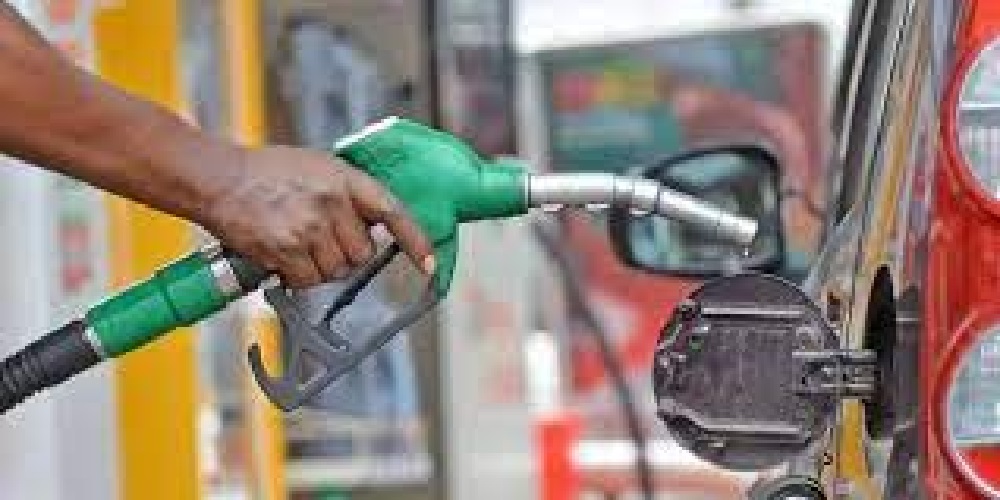
The Nigerian National Petroleum Company Limited (NNPCL) has increased the pump price of Premium Motor Spirit (PMS), commonly known as petrol, at some of its retail outlets in Abuja.


The latest adjustment has pushed the price of petrol at affected NNPCL filling stations to ₦1,345 per litre, representing a ₦75 increase from the previous price of ₦1,270 per litre.
Checks conducted on Monday showed that NNPCL stations in parts of the Federal Capital Territory, including outlets around Gwarinpa and Wuse Zones 4 and 6, were dispensing petrol at the new price. 
The increase comes amid a fresh wave of upward adjustments in petrol prices by several marketers across the country.
NNPCL Stations Adjust Pump Price
A staff member of an NNPCL retail outlet, who spoke on condition of anonymity, confirmed that the company had adjusted its pump price on Monday.
“Our petrol pump price was raised to ₦1,345 per litre today (Monday),” the attendant said.
The latest development means motorists who purchase 50 litres of petrol at the affected NNPCL stations will now spend approximately ₦67,250, compared with ₦63,500 under the previous ₦1,270-per-litre price.
The increase is expected to put additional pressure on motorists and other consumers who rely heavily on petrol for transportation and business activities.
Other Marketers Also Increase Prices
The NNPCL adjustment follows similar price reviews by several independent petroleum marketers over the weekend.
Filling stations operated by MRS, Ranoil, Empire Energy and other downstream operators reportedly increased their petrol prices by between ₦20 and ₦80 per litre in different locations.
The varying adjustments highlight the increasingly market-driven nature of petrol pricing in Nigeria, with retail prices differing depending on the marketer, location, supply costs and prevailing market conditions.
Motorists in Abuja and other parts of the country are therefore expected to continue seeing different pump prices from one filling station to another.
Dangote Refinery Raises Ex-Depot Price
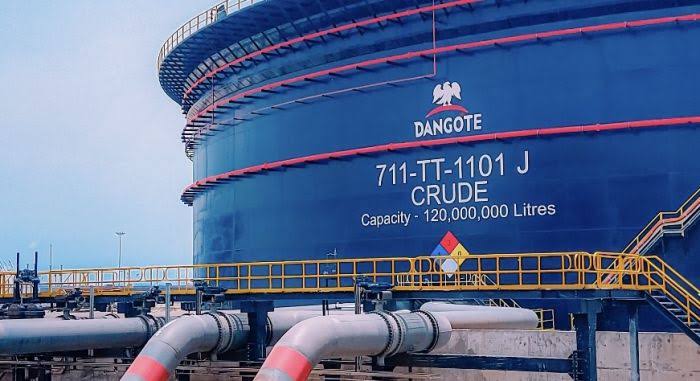
The latest pump price increases came after Dangote Refinery reportedly adjusted its ex-depot price for petrol.
The refinery increased its gantry price by ₦65, taking it from the previous level to ₦1,265 per litre.
The ex-depot price is a major component of the cost structure faced by petroleum marketers before transportation, logistics, storage, operational expenses and other charges are added before the product reaches retail filling stations.
An increase at the depot level can consequently result in higher pump prices if marketers pass the additional cost on to consumers.
Rising Petrol Imports Raise Concerns
The latest petrol price adjustments have also emerged amid renewed concerns over the increasing volume of imported petrol entering the Nigerian market.
The development has attracted attention because Nigeria’s domestic refining capacity, particularly following the commencement of operations at the Dangote Refinery, has been expected to reduce the country’s dependence on imported refined petroleum products.
However, petrol imports have continued to account for a significant portion of the country’s total supply.
Data from the Nigerian Midstream and Downstream Petroleum Regulatory Authority (NMDPRA) reportedly showed that imported petrol accounted for 43.3 per cent of total PMS supply in July.
The figure has raised concerns within the domestic refining and downstream petroleum sector.
Dangote Refinery Raises Concern Over Imports
The Dangote Refinery had previously expressed concerns about the increasing volume of imported petrol into Nigeria.
The refinery reportedly threatened to restrict petrol sales to importers and marketers amid what it described as a surge in imported products.
The development has contributed to an ongoing debate over competition, supply sources and pricing within Nigeria’s downstream petroleum industry.
While domestic refiners are seeking to expand their share of the local market, petroleum marketers continue to source products from different suppliers based on prevailing commercial conditions.
What the Latest Increase Means for Nigerians
The latest increase in Abuja is likely to generate concern among motorists and businesses, particularly those already dealing with high operating and transportation costs.
Petrol price movements often have a wider impact on the economy because the product is heavily relied upon for transportation, power generation and the distribution of goods and services.
An increase in pump prices can therefore raise transportation fares and increase the cost of moving food, agricultural produce and other commodities.
For businesses that depend on petrol-powered generators and vehicles, the additional cost could also translate into higher operating expenses.
With NNPCL stations now selling petrol at ₦1,345 per litre in some parts of Abuja, motorists will be watching closely to see whether other filling stations follow with further increases in the coming days.
The latest adjustment also adds to recent concerns that petrol prices could continue rising if depot prices and other supply-related costs remain elevated.