Iranian airlines are facing mounting international restrictions after new US sanctions disrupted flights to several neighbouring countries, while fresh Houthi missile attacks on Saudi Arabia sent global oil prices sharply higher.


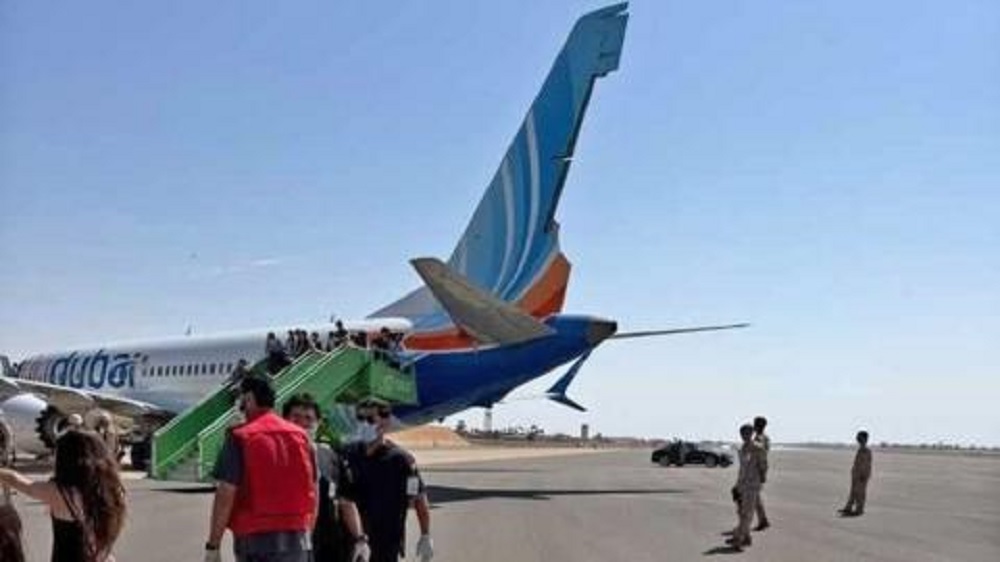
The United Arab Emirates on Thursday suspended all flights operated by Iranian airlines until further notice, citing the impact of new US sanctions targeting Iran’s aviation sector. Oman also moved to restrict Iranian flights, while services to destinations including Georgia, Azerbaijan and Baghdad were reported to have been disrupted.
The measures followed a September 23 deadline set by Washington under which companies and service providers around the world could face sanctions for continuing to do business with Iranian airlines. 
The US campaign is aimed at extending sanctions pressure beyond Iran by targeting companies in third countries that continue providing services to Iranian carriers.
Iran’s aviation network has already been affected, although international flights have not been completely halted. Flight-tracking data and airport schedules showed Iranian carriers continuing to operate some routes, including services to countries such as China, Afghanistan and Turkey.
Iran has reacted angrily to the restrictions, warning that countries cooperating with the US campaign could face consequences.
A senior Iranian official threatened that airports in countries blocking Iranian flights could eventually become “unusable”, escalating concerns over the potential impact of the sanctions on regional air travel.
Oil prices surge after Saudi missile attacks
The aviation restrictions came as escalating military tensions in the region continued to unsettle global energy markets.
Oil prices jumped on Thursday after Yemen’s Iran-aligned Houthi movement launched missile and drone attacks against targets in Saudi Arabia.
Saudi authorities said their air defences intercepted six ballistic missiles fired towards Taif and Yanbu, two cities in western Saudi Arabia. The Houthis separately claimed attacks on targets in Riyadh and facilities belonging to Saudi Aramco in Yanbu.
The attacks renewed concerns about possible disruptions to Saudi oil exports and major shipping routes in the region, particularly because Yanbu is an important Red Sea outlet for Saudi crude.
Brent crude futures settled at $106.60 per barrel, up $3.52, or 3.4 per cent, while US West Texas Intermediate crude gained $2.45, or 2.7 per cent, to close at $94.61.
Both benchmarks had risen by about five per cent at their session highs before retreating as reports emerged of possible diplomatic efforts between Washington and Tehran.
Strait of Hormuz remains key to oil markets
The possibility of negotiations between the US and Iran also helped limit the rise in crude prices.
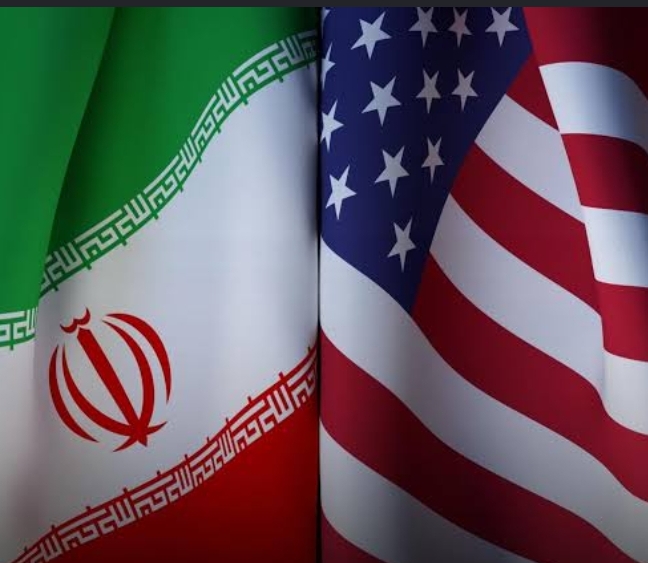
Reports indicated that Washington and Tehran were exploring a possible phased arrangement that could involve reopening the Strait of Hormuz in exchange for a relaxation of some US economic restrictions.
The waterway is one of the world’s most important oil transit routes, making any prolonged disruption a major concern for global energy markets.
Saudi Arabia has also been relying on its East-West pipeline to move crude towards the Red Sea as disruptions affect traditional Gulf shipping routes.
The latest developments have therefore placed oil markets under competing pressures: further military escalation around energy infrastructure and shipping routes could increase supply fears, while progress in US-Iran diplomacy and improved access through the Strait of Hormuz could ease those concerns.
For Iran, meanwhile, the new US measures threaten to further isolate its aviation industry and reduce the country’s already limited international air connections.