By Gloria Ikibah


The Inspector-General of Police, Olatunji Rilwan Disu, has urged journalists to put verification and restraint ahead of speed in reporting security issues as Nigeria prepares for the 2027 general elections.
Disu said responsible journalism can help save lives and prevent the escalation of tensions, while misinformation and unverified reports could trigger fear, panic and confrontation. 
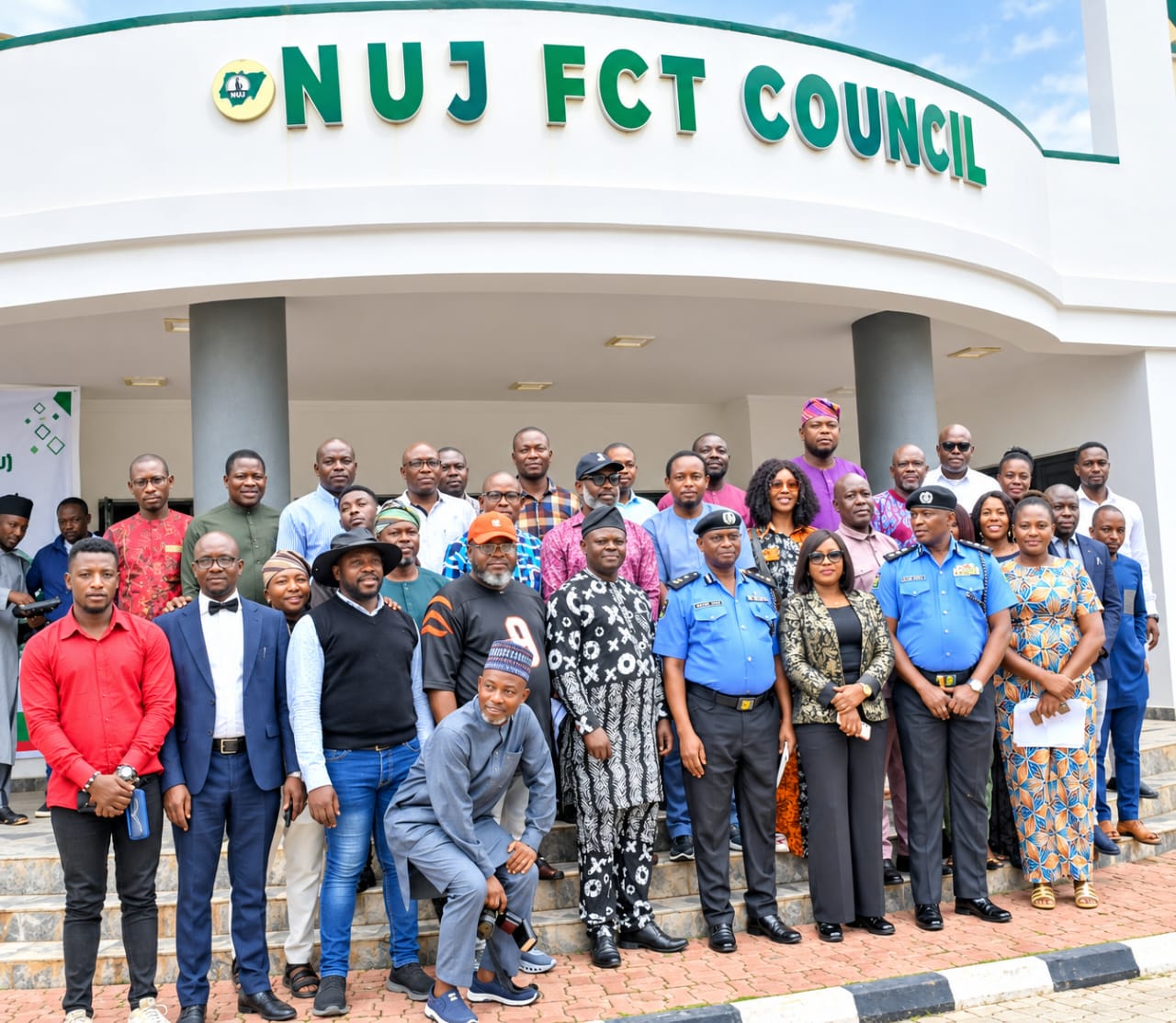
The IGP stated this on Wednesday at a one-day capacity-building workshop organised by the Nigeria Union of Journalists (NUJ), FCT Council, with the theme, “Responsible Security Reporting in the Age of Citizen Journalism: Protecting Nigeria’s Stability Ahead of the 2027 Elections.”
Disu, who was represented by the Director of the National Cybercrime Centre, Assistant Inspector-General of Police Akaninyene Ezimma, described election security as a shared responsibility between law enforcement agencies and the media.
“The media has the power to shape how Nigerians understand what is happening around them. That power must be exercised with responsibility,” he said.
The police chief warned that the speed at which information now travels, particularly through social media, had made responsible reporting more important.
He noted that photographs, old videos, fabricated statements and artificial intelligence-generated content could easily be presented as current or genuine material, with the potential to create unnecessary fear and confrontation.
He urged journalists to follow a simple rule before publishing security-related information: “Stop! Check! Confirm! Report!”
Disu also cautioned reporters against allowing the pressure to break news ahead of others to override the need for accuracy.
He said journalists must resist “the pressure to be first at the expense of being right”, particularly when reporting incidents capable of affecting public safety or the conduct of elections.
The Commissioner of Police, FCT Command, Ahmed Muhammed Sanusi, represented by Deputy Commissioner of Police Ibrahim Jibrin, also stressed the importance of verification in security reporting.
Sanusi said the police would continue to provide access to journalists seeking legitimate information while ensuring that sensitive operational details were protected.
“Responsible security reporting can calm tension, promote public understanding and support security operations; inaccurate, unverified or sensational reporting, on the other hand, can unintentionally create fear, panic and distrust,” he said.
In her welcome address, NUJ FCT Council Chairman, Comrade Grace Ike, said the workshop was designed to help journalists navigate the growing challenges created by citizen journalism and the rapid spread of information online.
Ike said the theme was a reminder that the media had a duty to keep citizens informed while ensuring that its reporting did not create avoidable harm.
She said the training was aimed at strengthening the ability of security correspondents to verify and contextualise information, apply ethical and legal standards under pressure and work constructively with security agencies without compromising journalistic independence or the public interest.
According to her, participants were expected to deepen their understanding of eyewitness verification, contextual reporting, source protection, ethical engagement with security agencies and digital literacy, particularly in identifying deepfakes and manipulated media.
“As the NUJ FCT Council, we pledge our support to journalists undertaking this demanding beat.
“We will continue to advocate for professional safety, access to training, legal protections and mental-health support for reporters exposed to traumatic scenes,” she said.
Ike also urged security agencies to improve their engagement with journalists.
“We also call on security agencies to engage transparently with the media and to respect press freedom while working to preserve public safety,” she said.
A retired Commissioner of Police, Lawrence Alobi, in his goodwill message, called for wider digital-literacy campaigns and stronger fact-checking mechanisms to address the growing volume of unverified information in the digital space.
He also advocated transparent communication and clear ethical guidelines for citizen journalists reporting sensitive security issues.
Other resource persons, including former NUJ Chairman Abduljelil Adebayo and Deputy Director of the Centre for Journalism Innovation and Development (CJID), Busola Ajibola, emphasised the need for journalists to clearly distinguish between unofficial claims and confirmed information.
They urged reporters to properly label unverified material, avoid sensational headlines capable of inflaming ethnic or religious tensions and take steps to protect vulnerable sources.
The speakers also called on news organisations to invest in verification systems, fact-checking resources and mental-health support for journalists covering traumatic incidents.
The organisers said the workshop was intended to strengthen the relationship between security agencies and the media by helping journalists identify authoritative channels for obtaining information, while encouraging the police to build public trust through transparency.
They said the training would ultimately help ensure that media coverage contributes to peaceful democratic participation rather than undermining it as Nigeria moves towards the 2027 elections.