By Emmanuel Sanders Agaji


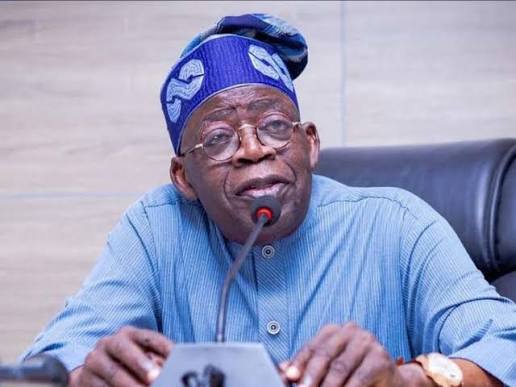
President Bola Ahmed Tinubu has declared that Nigeria has moved beyond its most difficult phase of economic reforms and is entering what he described as an “age of prosperity.”
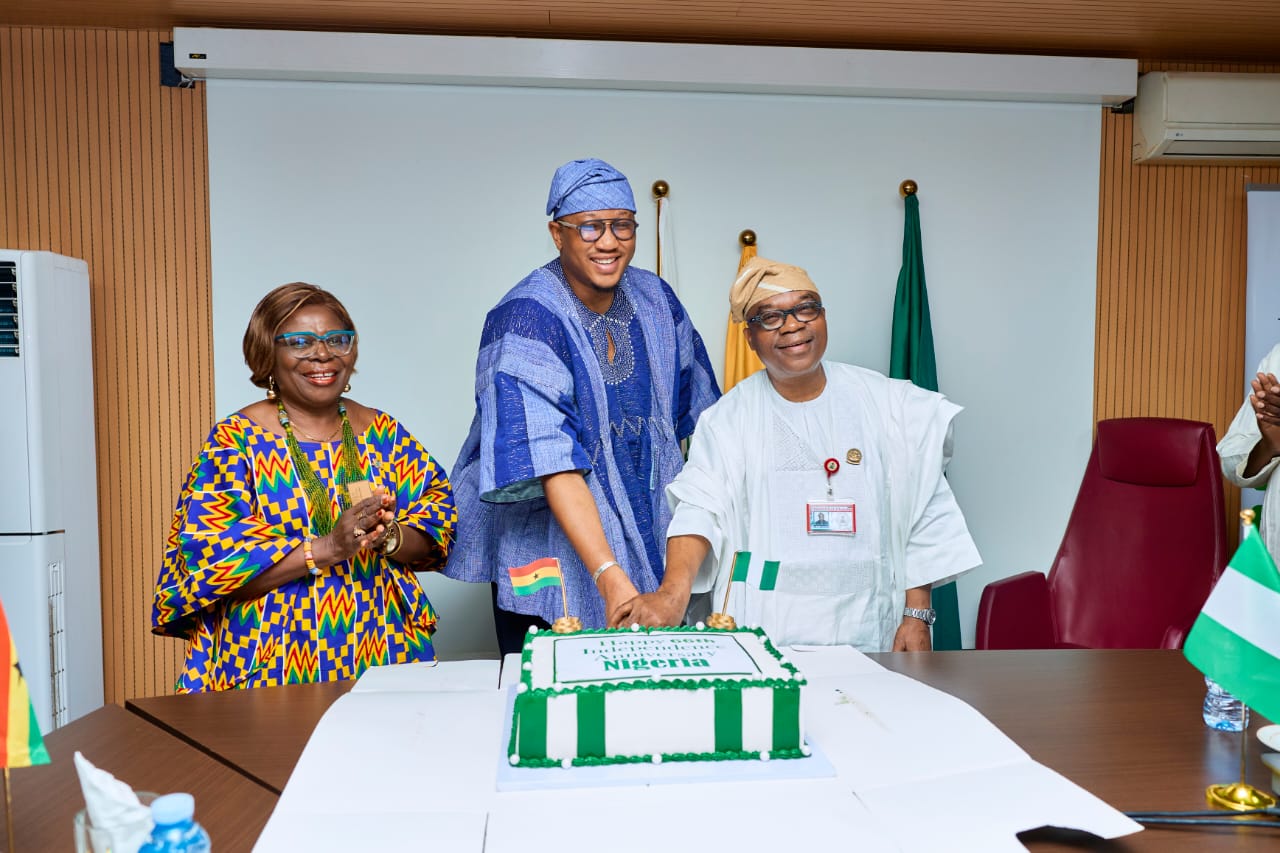
Tinubu made the declaration in his Independence Day address to Nigerians on Thursday, October 1, as the country marks its 66th anniversary of independence. 
The President said his administration had taken difficult decisions over the past three years to address what he described as deep-rooted economic distortions, insisting that the reforms were necessary to reposition the country for sustainable growth.
According to him, Nigeria’s journey since independence has been marked by war, military rule, economic crises, insecurity and political upheaval, but the country has endured because of the resilience and determination of its people.
He said independence was not merely about attaining sovereignty, but about creating a country where citizens could shape their own destinies and enjoy opportunity, dignity and a better quality of life.
‘Nigeria was like a sick patient’
Reflecting on the state of the economy when his administration assumed office in 2023, Tinubu likened Nigeria to a sick patient diagnosed with cancer who must choose between painful treatment and temporary relief.
“For too long, Nigeria’s leaders chose morphine while praying for a miracle that never came,” he said, arguing that successive administrations had avoided difficult decisions while allowing structural economic problems to worsen.
Tinubu said his administration instead chose to “excise the cancer,” acknowledging that the reforms had produced painful side effects but insisting that they were different from the problems they were designed to address.
He specifically defended the removal of fuel subsidies and other economic measures, saying the government would resist calls to return to what he described as “addictive subsidies.”
Economy has improved, Tinubu claims
The President said the reforms had begun producing measurable improvements, citing economic growth of more than four per cent, reduced oil theft, lower inflation compared with its peak, rebuilt foreign reserves and greater stability in the foreign exchange market.
He also said Nigeria recorded more than $6 billion in non-oil export revenue in 2025, describing it as the highest in the country’s history.
“These are not idle claims,” Tinubu said, adding that international institutions and the private sector had recognised improvements in Nigeria’s economic stability and resilience.
He declared that the country had now reached “a turning point,” saying the immediate task of correcting the economic course had given way to the broader goal of achieving shared prosperity.
‘Now begins the age of prosperity’
According to Tinubu, the next phase of his administration will focus on reducing the cost of living, expanding agricultural production, creating jobs and strengthening industrial growth.
He said the government would invest in mechanised irrigation, dry-season farming, improved access to seeds and fertiliser, agricultural mechanisation, storage and transportation.
The President also highlighted ongoing investments in roads, railways and ports, saying better infrastructure would help reduce the cost of moving goods from farms and factories to markets.
“Our priority is to bring down the cost of living,” he said, adding that this would be achieved by reducing the cost of producing and transporting goods.
Jobs, industries take centre stage
Tinubu said his administration would place jobs, enterprise and industrial expansion at the centre of its economic agenda.
He pledged to leverage Nigeria’s gas resources to power industries, support the revival of factories, expand digital connectivity and provide Nigerians with skills required by employers.
“I want to see more Nigerians making things. I want to see more Nigerian farms feeding our cities.