

…bill proposes transfer of renewable energy functions from NERC, REA to new body
By Gloria Ikibah 
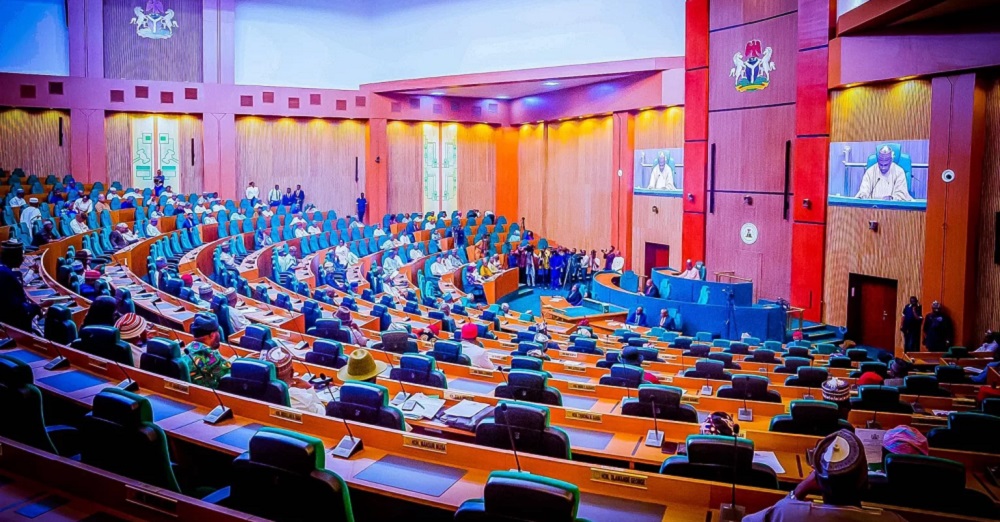
The House of Representatives has passed the Electricity Act (Amendment) Bill, 2025 for second reading, paving the way for the proposed establishment of the National Authority for Renewable Energy (NARE) to regulate and promote renewable energy development in Nigeria.
The bill, sponsored by Rep. Afam Victor Ogene, the member representing Ogbaru Federal Constituency, seeks to consolidate the regulation and development of renewable energy under a dedicated institution.
Leading the debate on the bill, Ogene who is also the Chairman House Committee on Renewable Energy, said the proposed authority would address structural gaps in the power sector by transferring renewable energy functions currently handled by the Nigerian Electricity Regulatory Commission (NERC), the Rural Electrification Agency (REA) and the Rural Electrification Fund (REF) to NARE.
“This specialisation will improve coordination, reduce institutional overlaps and provide focused direction for the effective development of the renewable energy sector,” Ogene stated.
The proposed authority will be responsible for promoting renewable energy solutions, particularly mini-grid and off-grid systems, to expand electricity access in rural, unserved and underserved communities, as well as on islands.
The bill also seeks to introduce financial, fiscal and regulatory incentives to encourage investment in local manufacturing, research and capacity building in the renewable energy industry.
Under the proposed framework, NARE will drive the development of solar, wind, hydro, geothermal, biomass and hydrogen energy to diversify Nigeria’s energy sources and reduce dependence on conventional electricity generation.
It will also oversee licensing, standards, tariff fairness and dispute resolution within the renewable energy market, while collaborating with NERC and the Federal Ministry of Finance to promote grid integration and harmonise policies.
A major provision of the bill proposes that 40 per cent of the annual funds of the Rural Electrification Fund be allocated to the proposed authority to finance renewable energy development.
Ogene argued that expanding the national electricity grid alone would not adequately address Nigeria’s persistent power supply challenges, particularly in communities beyond the reach of existing infrastructure.
“We must embrace innovative, decentralised and renewable energy solutions that can reach communities and businesses more efficiently,” he said.
The bill is expected to undergo further legislative scrutiny, including consideration of arrangements for transferring relevant personnel, assets and ongoing projects to the proposed authority.
Following debate, lawmakers unanimously adopted the bill for second reading and referred it to the relevant committee for further consideration.
Ogene has also led the House Committee on Renewable Energy in green energy engagements at the 29th United Nations Climate Change Conference (COP29) in Baku, Azerbaijan, in 2024, and COP30 in Brazil in 2025.
The proposed legislation comes amid continuing efforts to address Nigeria’s electricity access and supply challenges through renewable energy, particularly decentralised systems capable of serving communities and businesses that remain underserved by the national grid.