

… as Enikanolaiye urges Africa to prioritise local investment, mineral processing and bankable infrastructure projects
By Gloria Ikibah 
Nigeria has called for a new model of global engagement with Africa anchored on strategic autonomy, domestic resource mobilisation and investment in infrastructure, insisting that foreign capital must complement, rather than replace, local resources.
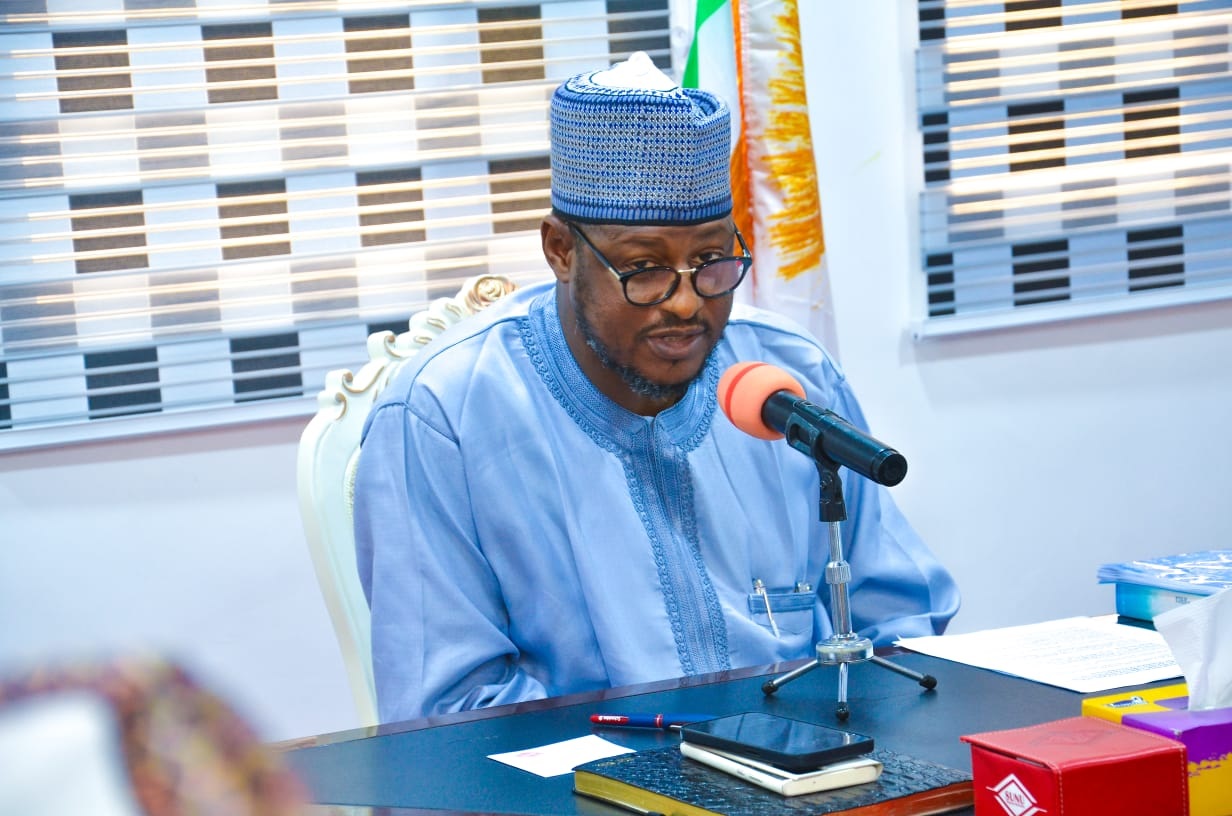
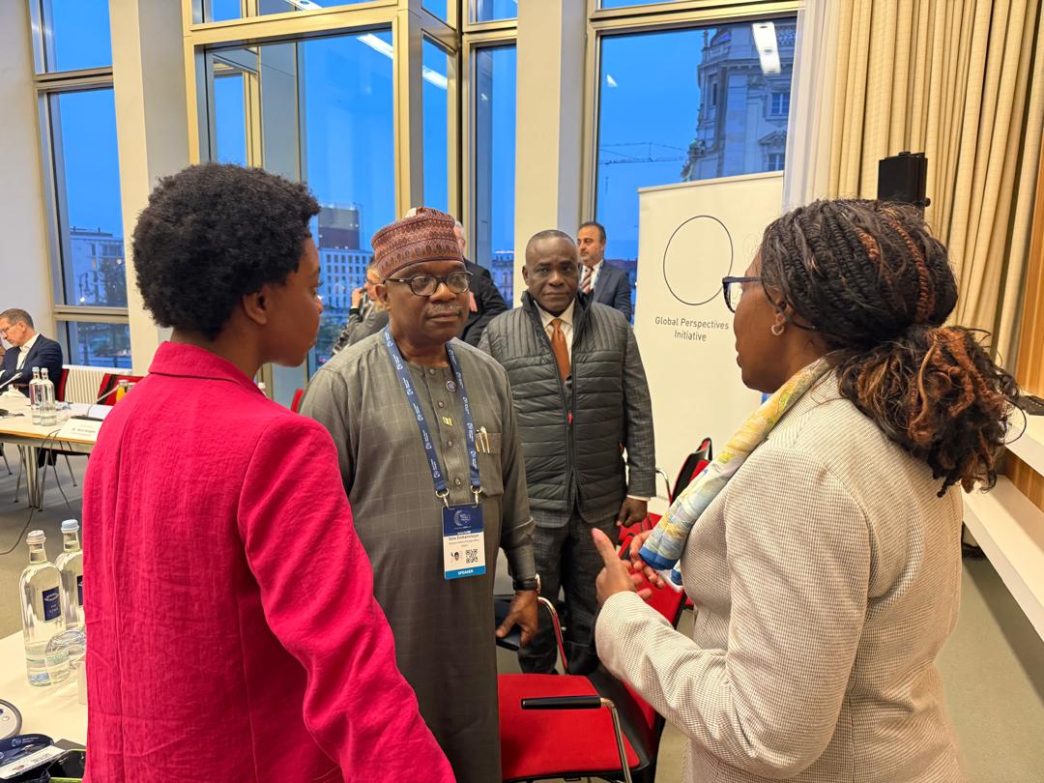
The Minister of State for Foreign Affairs, Ambassador Sola Enikanolaiye, made the call at the Berlin Global Dialogue 2026 in Germany, where he urged African countries to pursue partnerships that respect their sovereignty and advance their development priorities.
Speaking at a high-level panel on Foreign Policy by Other Means: Trade, Technology, and Geopolitical Power and a policy lab on infrastructure and investment, Enikanolaiye said Africa was determined to shape its development through mutually beneficial partnerships.
He said: “Africa has come to this conversation with great assets, substantial opportunities and a determination to shape its own development based on partnership with the rest of the world”.
The minister said international diplomacy was moving away from rigid political alliances towards more flexible, pragmatic and transaction-focused relationships, creating opportunities for African countries to pursue partnerships based on their national interests.
Tracing the historical relationship between business and diplomacy, from the Royal Niger Company to multinational corporations operating after independence, Enikanolaiye said Africa’s marginal position in the global economy should encourage greater mobilisation of domestic resources.
He cited the public offer by Nigerian industrialist Aliko Dangote, which attracted subscriptions from more than 52 countries, and emphasised the importance of building local investment capacity.
“Foreign capital can only complement but cannot replace the kind of resources that we need,” he said.
He maintained that government’s responsibility was to create an enabling environment for private enterprise to flourish, pointing to Nigeria’s stabilising role in Liberia and Sierra Leone through the Economic Community of West African States Monitoring Group (ECOMOG).
According to him, the interventions helped create conditions for Nigerian banks to expand their operations across the region.
On competition among global powers, Enikanolaiye reaffirmed Nigeria’s commitment to strategic autonomy, saying the country would engage different geopolitical blocs without allowing ideological differences to undermine its national interests.
“It allows us a space of action regardless of ideology or political complexion of the various blocs to advance our own national interest, including those of Nigerian companies,” he said.
The minister also called for an end to Africa’s dependence on exporting unprocessed natural resources, arguing that countries must prioritise local value addition to generate jobs, strengthen industries and retain more economic benefits.
He said the Federal Government’s policy now required investors in the mining sector to establish local processing industries, with strict oversight to protect the environment and host communities.
“We learned from our experience in the Niger Delta. We are now doing things differently to give rights to local communities where minerals are found,” Enikanolaiye said.
He added that safeguarding the interests of communities where natural resources were extracted was essential to building a more sustainable investment model.
Addressing Africa’s infrastructure needs, the minister said reliable electricity, efficient transport systems and wider digital connectivity were critical to expanding production and creating opportunities for the continent’s growing youth population.
“Reliable electricity, efficient intermodal transport and wider digital connectivity are essential to expanding production and creating opportunities for our young population,” he noted.
Enikanolaiye identified revenue generation through electricity metering as another investment opportunity, urging foreign investors to explore projects capable of improving efficiency and strengthening the power sector.
He said African governments had undertaken reforms to modernise outdated laws, stabilise their economies and deregulate key sectors to attract investment.
However, he stressed that attracting long-term capital required well-prepared projects, predictable regulations, transparent procurement processes and credible risk-sharing arrangements.
The minister highlighted the roles of the African Export-Import Bank (Afreximbank), African Development Bank and ECOWAS Bank for Investment and Development (EBID) in providing guarantees and blended finance to support infrastructure development.
He also welcomed the emergence of the African Credit Rating Agency in Mauritius, calling for reforms to the international credit rating system to ensure African economies were assessed fairly.
On economic integration, Enikanolaiye cited Africa’s average growth rate of 4.3 per cent and its ambition to reach seven per cent, saying stronger regional trade was necessary to achieve the continent’s development goals.
He identified progress towards the ECO single currency, Nigeria’s single window system and the Pan-African Payment and Settlement System (PAPSS), launched in January 2026, as important initiatives for strengthening economic integration.
The minister said Africa needed to increase intra-continental trade, which he put at 16 per cent under the African Continental Free Trade Area (AfCFTA).
“We need to trade more among ourselves to develop competitive advantages,” he said.
He also linked Africa’s ambitions in artificial intelligence to the need for reliable electricity, warning that digital transformation and emerging technologies would depend on stable power supply.
On human capital development, Enikanolaiye called for a review of technical education curricula to align training with the skills required for infrastructure projects and industrial growth.
He also urged African countries to explore diaspora remittances as a source of development finance amid declining official development assistance (ODA), while continuing reforms to improve their business environments.
The minister pointed to China’s approach to infrastructure financing, which he described as non-conditional, as another model for African countries to consider in their engagement with development partners.
He urged African governments to mobilise long-term capital while maintaining fiscal discipline, transparency, democracy and the rule of law.
Nigeria, Lesotho Explore Stronger Ties
Meanwhile, Nigeria used activities at Nigeria House in Berlin to strengthen diplomatic and economic engagement with other African countries.
The delegation, representing President Bola Ahmed Tinubu, was led by Enikanolaiye and the Minister of Budget and Economic Planning, Senator Abubakar Atiku Bagudu.
On the sidelines of the dialogue, Enikanolaiye and Nigeria’s Ambassador to Germany, Senator Ita Enang, held a bilateral meeting with Lesotho’s Foreign Minister, Limpho Justice Tau.
The meeting focused on deepening cooperation between both countries and exploring the possibility of establishing a physical diplomatic presence for Lesotho in Abuja.
Tau commended Nigeria’s historic role in Africa’s liberation struggles and invited Nigerian industrial leaders, including the Dangote Group, to explore investment opportunities in Lesotho.
The engagement is expected to support further cooperation through the African Union Development Agency-New Partnership for Africa’s Development (AUDA-NEPAD).