


…as institutions consider promoting transparency, trust and inclusive access to education
By Gloria Ikibah 
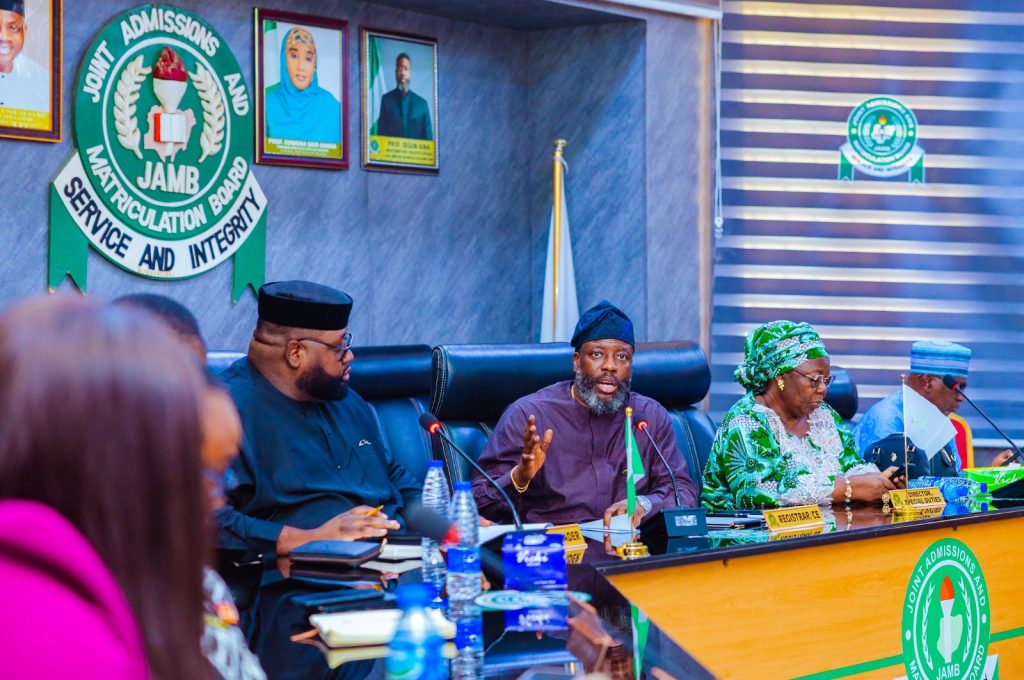
The Institute for Economics and Peace (IEP), Nigeria, has held talks with the Joint Admissions and Matriculation Board (JAMB) on possible collaboration to promote peace education, strengthen institutional trust and empower young Nigerians.
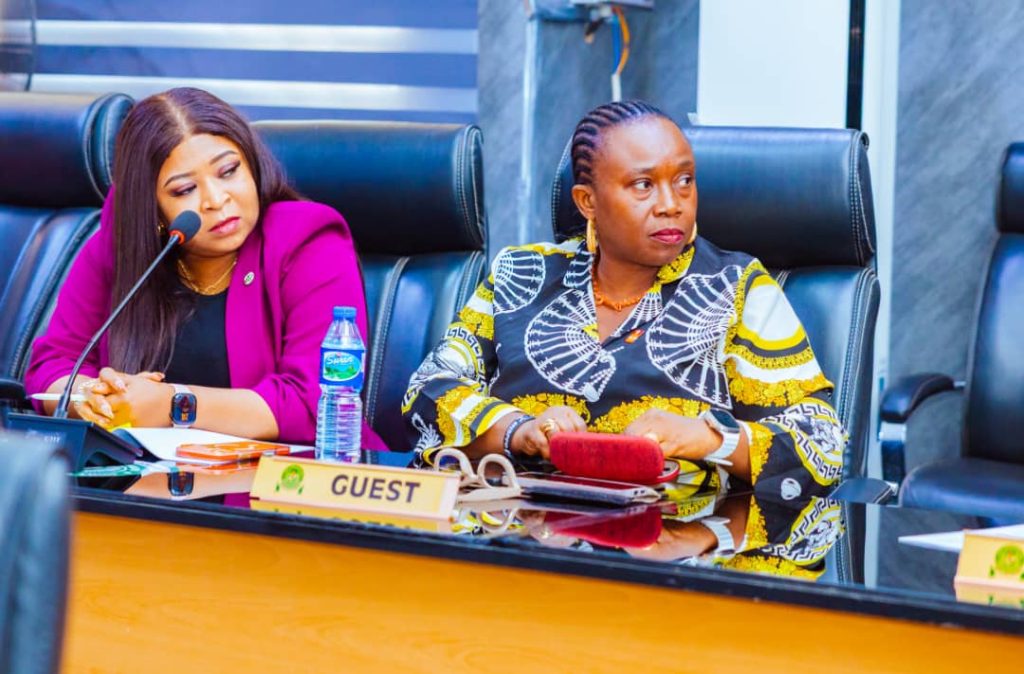
The engagement took place during a strategic courtesy visit to the JAMB Registrar, Professor Segun Aina, by a delegation led by the IEP Nigeria Country Representative, Amb. Roy-Stanley Nwafor, alongside other IEP ambassadors.
The discussions focused on how education can contribute to sustainable peace and national development, with particular emphasis on equitable access to education, transparency, accountability, human capital development and youth empowerment.

The IEP delegation highlighted the importance of these priorities under its Positive Peace Framework, which examines the attitudes, institutions and structures that help societies build and sustain peace.
Recognising JAMB’s strategic role in Nigeria’s education sector and its responsibility for facilitating access to tertiary education, the institute identified potential areas where Positive Peace principles could complement the board’s mandate.
Nwafor said the proposed collaboration is expected to explore ways of promoting responsible citizenship, widening opportunities for young people and strengthening a culture of peace among Nigerian youths.
The meeting also examined how cooperation between the two institutions could help educational stakeholders better understand the links between education, peace, security, social cohesion and sustainable development.
According to the IEP Country Rep., such engagement can raise awareness of the underlying conditions that contribute to conflict while promoting the institutional values and opportunities that enable individuals and communities to thrive.
The IEP expressed interest in exploring practical areas of cooperation with JAMB, including Positive Peace awareness campaigns, educational engagement and youth-focused initiatives.
However, the proposed initiatives remain subject to further discussions, alignment with the priorities of both institutions and the necessary institutional approvals.
The engagement forms part of IEP Nigeria’s efforts to build strategic partnerships with public institutions and other stakeholders to advance Positive Peace and support Nigeria’s long-term development goals.
The institute maintained that building a peaceful and prosperous country requires more than responding to conflict, stressing the need to invest in education, strengthen institutions, expand opportunities and empower young people to contribute to a more peaceful and resilient society.

Through continued institutional engagement and strategic partnerships, IEP Nigeria hopes to promote peacebuilding, education and sustainable development as key elements of the country’s future.