

…Governors pledge grassroots action as FG targets high-burden states to accelerate Nutrition 774 implementation
By Gloria Ikibah 
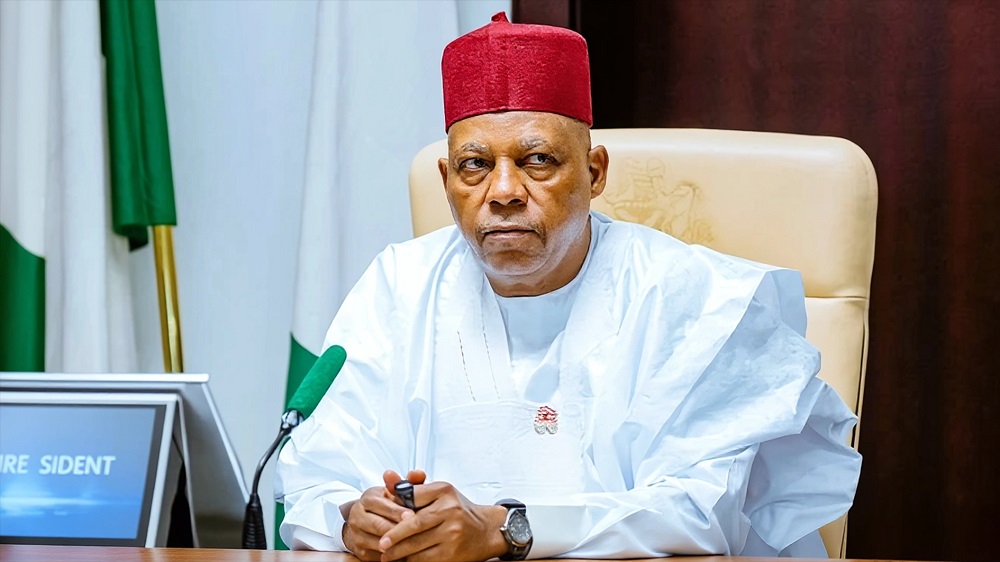
Nigeria has pledged to strengthen its fight against malnutrition by adopting practical lessons from Ethiopia’s nutrition programmes, with Vice-President Kashim Shettima leading a high-powered delegation to explore strategies for improving nutrition outcomes across the country’s 774 local government areas.
The commitment followed a three-day Ethiopia-Nigeria Nutrition Leadership Exchange Forum in Addis Ababa, where Nigerian officials examined Ethiopia’s approach to multisectoral coordination, predictable financing and data-driven accountability in tackling malnutrition.
Shettima said the knowledge gained from the engagement would be adapted to Nigeria’s realities, particularly by strengthening collaboration among the federal, state and local governments to improve nutrition at community and household levels.
The Vice-President highlighted ongoing efforts to strengthen nutrition financing, accountability and implementation at the subnational level, stressing that better nutrition was essential to human capital development, productivity and economic growth.
He said: “The knowledge gained from the three-day Nutrition forum would be adapted to Nigeria’s realities, particularly in strengthening collaboration among the federal government, states and local governments, in order to improve nutrition outcomes at the community and household levels.
“The real measure of the exchange would be how effectively the lessons are translated into improved outcomes for Nigerian families, particularly women and children, through stronger implementation of N774 across the country.
The Nutrition 774 Initiative is designed to drive coordinated action against malnutrition across Nigeria’s 774 local government areas, bringing interventions closer to vulnerable households and communities.
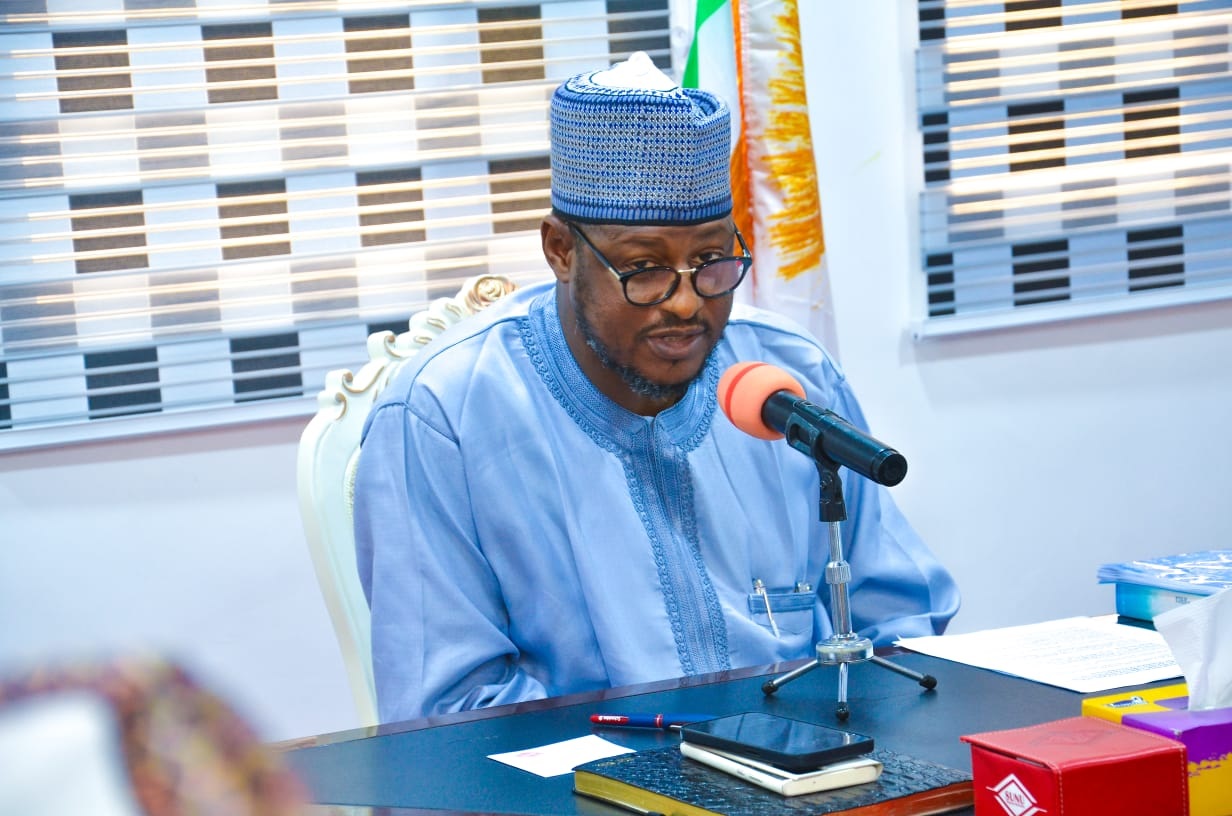
The Nigerian delegation comprised state governors and their commissioners, alongside federal officials from key ministries, departments and agencies, representatives of the Association of Local Governments of Nigeria (ALGON) and the Nigeria Governors’ Forum (NGF).
Big Win Philanthropy partnered with the Federal Government in organising the leadership exchange.
Speaking on the outcome of the engagement, Governor of Zamfara State, Dauda Lawal said the exchange had reinforced the need to build on the principles already underpinning Nigeria’s nutrition initiative while learning from countries facing similar challenges.
“We are encouraged that Nigeria’s N774 Initiative already embodies many of the principles we have seen here in Ethiopia. This leadership exchange has, however, provided an important practical lesson on how these principles can be further strengthened and translated into results,” Lawal said.
The governor highlighted the impact of insecurity on food security and nutrition in Zamfara, explaining that challenges which previously appeared manageable had become more difficult amid the state’s security crisis.
“Zamfara State is a state that is facing too many challenges, especially insecurity. In the past, when you spoke about malnutrition, we don’t even have anything like that in the state because we produce enough to feed our people. However, because of those challenges now it becomes difficult.
“Now, should we be defined by the insecurity? The answer is no. What else can we do? And it is important that we are here in this kind of gathering to understand where people that face similar challenge, what have they done to come out of it?” he said.
Governorof Abia State, Alex Otti, who also participated in the exchange, said the engagement had encouraged a more deliberate approach to implementing the initiative at the grassroots.
Otti said Abia will extend the programme across its 17 local government areas, 184 wards and communities to ensure that vulnerable residents benefited from improved nutrition interventions.
He also linked malnutrition to poverty, noting that while broader economic policies were necessary to create jobs and increase productivity, some vulnerable households required targeted support.
“It’s also closely connected to poverty. While we are at the upper level dealing with fundamentals in the economy that will move people out of poverty, reduce unemployment, increase the GDP of the state, there are those people who may not be able to react to the fundamentals of the economy, and those are the people we are targeting,” Otti said.
Governor of Jigawa State, Umar Namadi said his administration will draw on Ethiopia’s experience while strengthening existing state-led interventions aimed at improving children’s nutrition.
“With our 774 Initiative, we will be able to ensure that we improve the nutritional status of our children. Now, for instance, we in Jigawa State, we already have our homegrown initiatives. The Masaka initiative, which is making a very good impact for us.
“In addition to the Masaka initiative, we also have a ‘Tom Brown’ initiative, where we also trained about 600 women, and we have given them all the material that is needed to produce nutritional food that will be used by our children,” Namadi said.
Governor of Osun State, Ademola Adeleke also expressed his administration’s commitment to improving nutrition, particularly among children and pregnant women.
“Already, Osun State, we already have an agenda on nutrition, especially for the young ones and pregnant women. Very, very important. And we have some sources, but we can improve on them.
“So that is why I’m here, I’m here to exchange notes from our counterparts in Ethiopia. So I think we’ve started very well, and already between Nigeria and Ethiopia, we’re already keying into it,” Adeleke said.
Meanwhile, the Coordinating Minister of Health and Social Welfare, Prof. Muhammad Ali Pate, announced that the Federal Government will immediately collaborate with at least two states with the highest malnutrition burden to begin local implementation of the initiative.
Pate stressed the importance of addressing malnutrition as a public health concern, signalling a move towards more targeted interventions in areas facing the greatest challenges.
Ethiopia’s Minister of Health, Dr Mekdes Daba, commended Nigeria’s commitment to extending the initiative to all 774 local government areas, describing the nationwide scope as a significant demonstration of leadership commitment.
The exchange concluded with both countries reaffirming their commitment to sustained cooperation and knowledge-sharing on nutrition and development.
The initiative is expected to focus on translating policy commitments into practical interventions at the community level, with improved coordination, sustainable financing and accountability identified as key requirements for achieving lasting results.