

…EFCC say Nigeria’s global reputation depends on corruption fight, reveals 10,800 convictions, N1.2trn recovered
By Gloria Ikibah 
The Minister of State for Foreign Affairs, Ambassador Sola Enikanolaiye, has identified anti-corruption reforms and strong political party structures as critical to strengthening democratic governance and consolidating Nigeria’s democracy ahead of the 2027 general elections.
Enikanolaiye said effective political parties and sustained efforts to tackle corruption were necessary to strengthen democratic institutions, promote inclusive political participation and restore public confidence in governance.
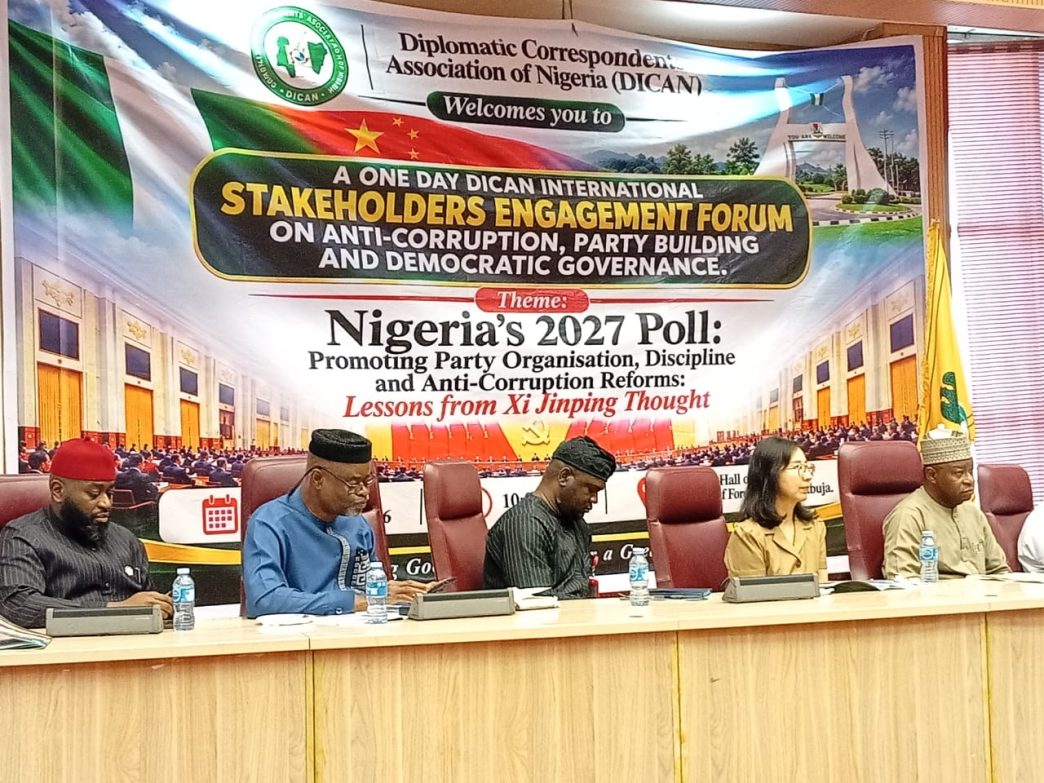
The Minister stated this while delivering the keynote address at the one-day International Stakeholders Engagement Forum organised by the Diplomatic Correspondents Association of Nigeria (DICAN) on Wednesday in Abuja.
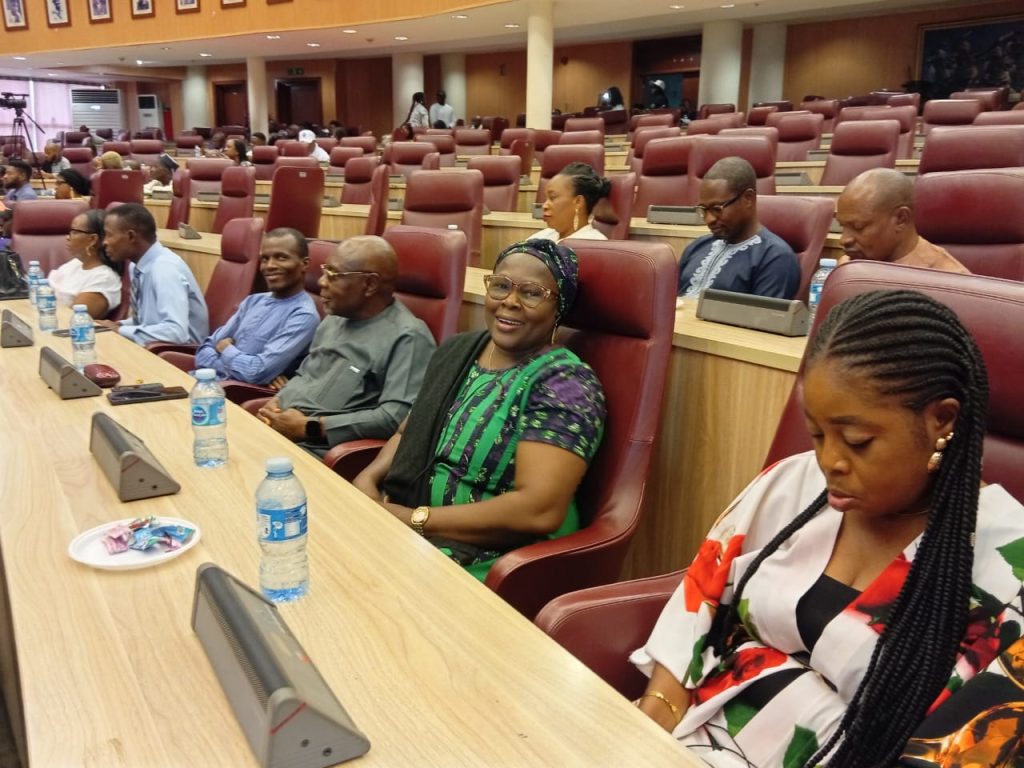
The forum, themed, “Nigeria’s 2027 Poll: Promoting Party Organisation, Discipline and Anti-Corruption Reform: Lessons from Xi Jinping Thought,” brought together policymakers, diplomats, political actors, academics and civil society representatives to examine governance and democratic reforms ahead of the next general elections.
The minister, who was represented by the Assistant Director of Administration, Mohammed Aliyu, said democratic governance went beyond conducting periodic elections to include the protection of fundamental freedoms, institutional checks and balances and commitment to service delivery.
He said: “I wish to highlight anti-corruption and party building as fundamental pillars of democratic governance, essential for strengthening democratic institutions, ensuring inclusive political participation, upholding the rule of law, promoting transparency and accountability, and fostering public trust in governance.”
He added that the principles were consistent with Nigeria’s four Ds foreign policy priorities of Demography, Development, Diaspora and Democracy.
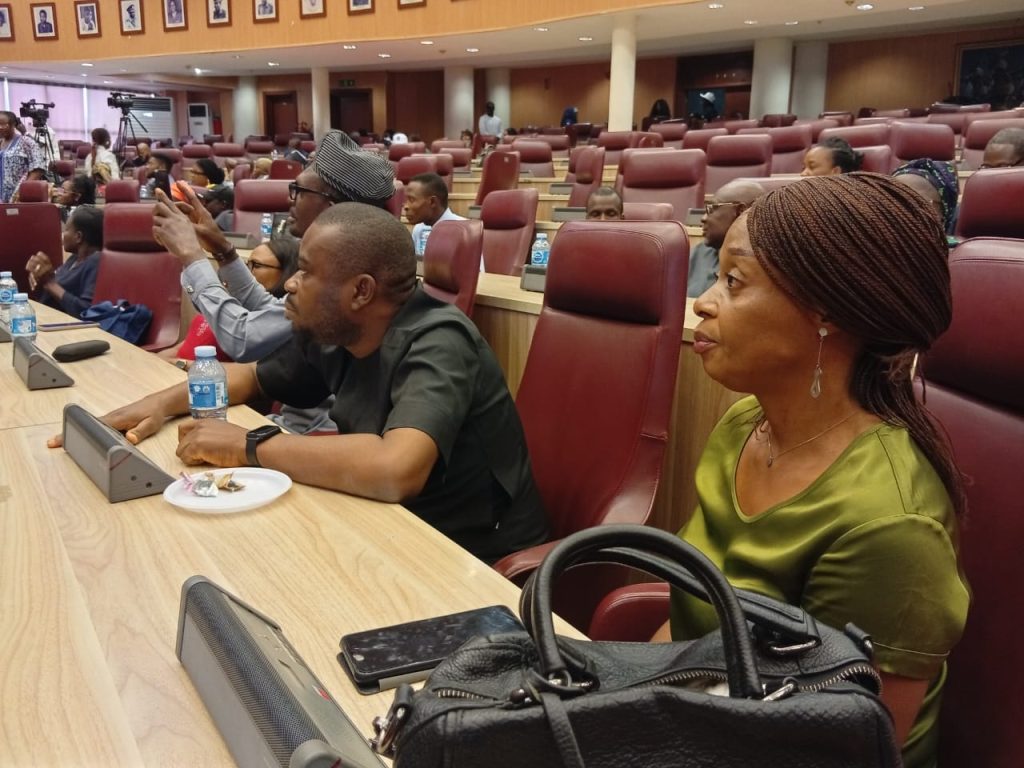
Also speaking, Counsellor Dong Hairon, representing the Embassy of the People’s Republic of China in Nigeria, reaffirmed China’s readiness to collaborate with Nigeria in tackling corruption.
She highlighted China’s anti-corruption campaign, which she said had been sustained since 2012 under a zero-tolerance policy covering all sectors and levels of government.
Dong disclosed that 8.1 million cases had been filed since the campaign began, while more than 7.9 million officials had faced disciplinary and administrative penalties, including over 900 officials at vice-ministerial level and above.
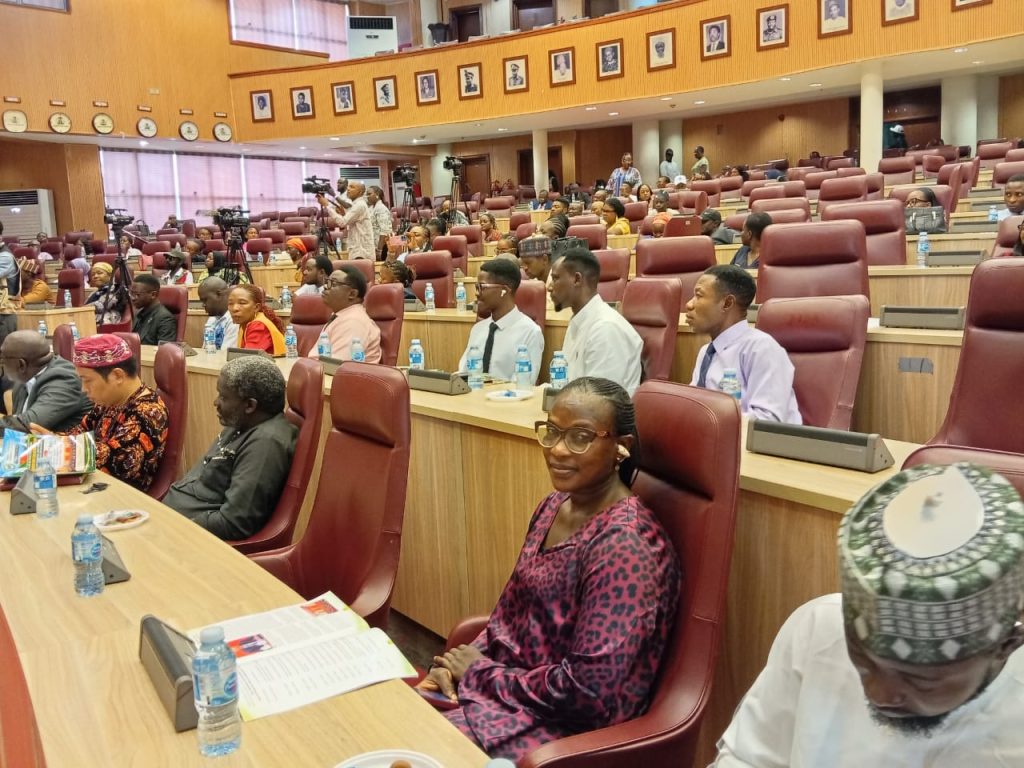
According to her, the campaign had strengthened public confidence and support for China’s efforts towards national development and rejuvenation.
She, however, acknowledged that more work was required to sustain the country’s anti-corruption drive.
In his goodwill message, Chairman of the Economic and Financial Crimes Commission (EFCC), Ola Olukoyede, said Nigeria’s international reputation and development prospects depended largely on its commitment to fighting corruption.
Olukoyede, represented by the commission’s Head of Media and Publicity, Dele Oyewale, reaffirmed the determination of EFCC to rid the country of economic and financial crimes and other forms of corruption.
He described the fight against corruption as a major factor that would determine Nigeria’s development and standing in the international community.
“The best diplomatic statement that we can make to the rest of the world is our commitment to the fight against corruption. And the best export that we can make to the rest of the world is what we do with the issue of corruption,” he said.
The EFCC chairman maintained that economic growth, infrastructure development and democratic stability, though important, will not be sufficient to earn Nigeria international respect without a firm commitment to tackling corruption.
He urged Nigerians to support the commission’s efforts, disclosing that it had secured 10,800 convictions for corruption-related offences in the last three years and recovered N1.2 trillion from individuals involved in corrupt practices.
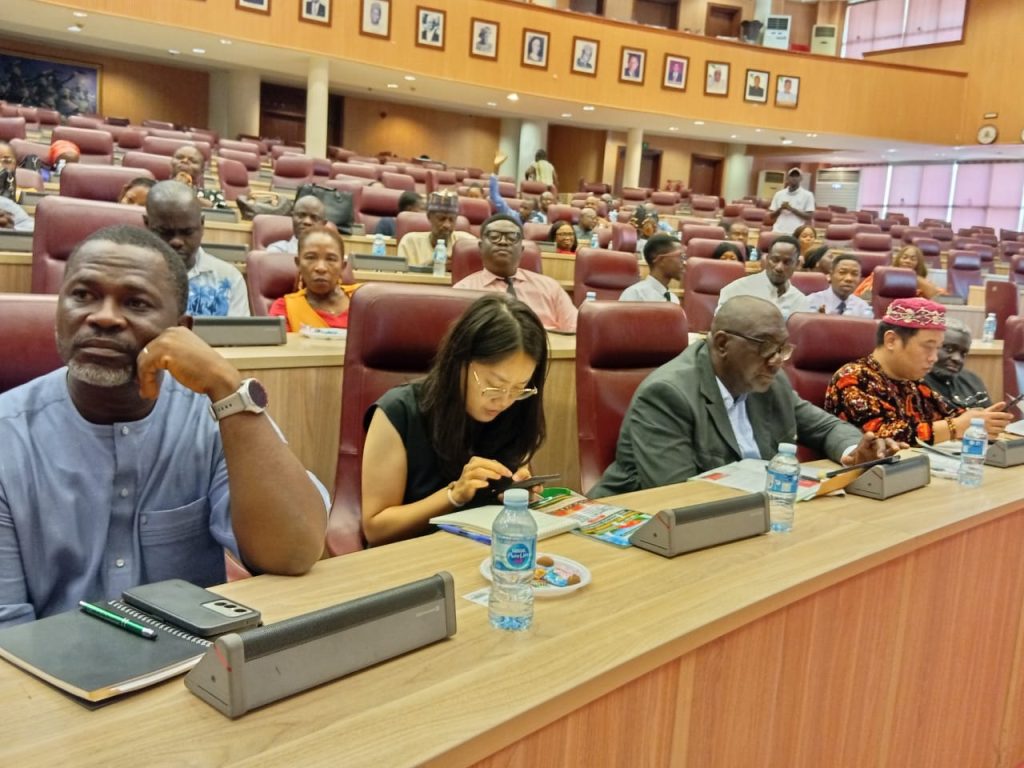
Earlier, Chairman of DICAN, Comrade Idehai Frederick, said the forum was organised to encourage constructive policy discussions on political party organisation, discipline, accountability and anti-corruption reforms as Nigeria prepares for the 2027 elections.
He explained that the engagement was designed not merely to identify governance challenges but also to explore practical solutions for strengthening democratic institutions and improving political accountability.
Addressing the forum’s theme, Frederick noted that although China’s political framework differed from Nigeria’s multiparty democratic system, its experiences in economic transformation, poverty reduction, infrastructure development, long-term strategic planning and anti-corruption efforts had attracted international attention.
He explained that China’s political arrangement operated under a system of multiparty cooperation and political consultation led by the Communist Party of China, with other legally recognised parties participating in consultations, policymaking and the administration of state affairs rather than functioning as opposition parties.
However, Frederick cautioned against interpreting the examination of China’s governance model as an endorsement of its political system for Nigeria.
“Nigeria remains firmly committed to its constitutional multi-party democratic order, where political competition, electoral choice, citizens’ participation and the rule of law remain fundamental pillars of governance,” he said.
He urged stakeholders to draw relevant lessons from international governance experiences while preserving Nigeria’s constitutional democratic principles and developing reforms suited to the country’s political realities.