
News
Hypertension: Avoid any of these 5 exercises if you have blood pressure


- /home/naijuinz/public_html/wp-content/plugins/mvp-social-buttons/mvp-social-buttons.php on line 27
https://naijablitznews.com/wp-content/uploads/2024/10/images-12.jpeg&description=Hypertension: Avoid any of these 5 exercises if you have blood pressure', 'pinterestShare', 'width=750,height=350'); return false;" title="Pin This Post">
- Share
- Tweet /home/naijuinz/public_html/wp-content/plugins/mvp-social-buttons/mvp-social-buttons.php on line 72
https://naijablitznews.com/wp-content/uploads/2024/10/images-12.jpeg&description=Hypertension: Avoid any of these 5 exercises if you have blood pressure', 'pinterestShare', 'width=750,height=350'); return false;" title="Pin This Post">


Dealing with high blood pressure can feel like a constant battle. Do you ever wonder if your workout routine could be making it worse? Many focus on diet, which is crucial, but what about exercise? While staying active is key to better health, not all exercises are safe for those with hypertension. Some can cause sudden spikes in blood pressure, putting extra strain on the heart. You have to be careful about the exercises you do with high blood pressure.
Some exercises to avoid with high blood pressure include heavy weightlifting, sprinting, and intense high-intensity interval training (HIIT). These activities increase heart rate and blood pressure too quickly, posing dangerous health risks.
Instead, you should perform moderate, steady activities like walking, swimming, or yoga.
What is high blood pressure?
High blood pressure or hypertension occurs when the force of blood against your artery walls is too high. This makes your heart work harder, which can lead to serious health problems over time, such as heart disease or stroke.
According to the World Health Organization, hypertension affects over one billion adults globally or one in four adults aged between 30 and 79. It is the leading risk factor for death worldwide and accounts for about half of all deaths related to heart disease and stroke.
Blood pressure is measured with two numbers: systolic (the pressure during heartbeats) and diastolic (the pressure when the heart is at rest). Hypertension is diagnosed if either of these numbers is too high.
What are the symptoms of high blood pressure?
High blood pressure is often called the silent killer because it typically shows no symptoms. However, in severe cases or sudden spikes, certain symptoms may appear. Common symptoms include:
Dizziness
Heart palpitations
Nausea and vomiting
Headaches
Chest pain
Some people might even notice blood spots in the eyes, known as subconjunctival hemorrhage.
Other signs can include shortness of breath, blurred vision, fatigue, and confusion. In rare cases, high blood pressure can cause nosebleeds. It is important to remember that some people with high blood pressure feel fine, so regular check-ups are key to diagnosing it and starting treatment to manage it.
What causes high blood pressure?
High blood pressure can develop due to several causes, often a mix of genetic and lifestyle factors. Here are some common causes of high BP:
Genetics play a role, as family history can increase the risk of developing hypertension.
Lifestyle choices like a poor diet, especially high in salt, processed foods, or unhealthy fats, can lead to hypertension.
Age is another key factor—blood pressure tends to rise as we grow older.
Obesity is a major cause of hypertension, as extra body weight forces the heart to work harder to pump blood.
Lack of physical activity and excessive alcohol consumption also contribute to high blood pressure.
Smoking damages the blood vessels, increasing pressure in the arteries.
Chronic stress can also temporarily increase blood pressure, and over time, it may contribute to long-term hypertension.
Medications like birth control pills or overuse of pain relievers can also raise blood pressure.
Certain underlying medical conditions, such as kidney disease, sleep apnea, and thyroid problems, can lead to secondary hypertension. In some cases, conditions like diabetes or high cholesterol can worsen the risk.
High blood pressure can cause several health complications.
The Centers for Disease Control and Prevention (CDC) advises individuals to aim for 150 minutes of moderate-intensity exercise each week, which breaks down to about 30 minutes a day, five days a week.
They also recommend incorporating resistance training on two days per week. However, if you have high blood pressure or heart disease, it is crucial to consult your doctor before starting any workout routine. While exercise is typically beneficial for lowering blood pressure, certain types of workouts can place excessive strain on the heart.
Here are five exercises you should steer clear of if you have high blood pressure:
1. Heavy weightlifting
Lifting heavy weights can cause a rapid spike in blood pressure. When you lift something too heavy, your body naturally holds its breath, a phenomenon called the Valsalva maneuver. This temporarily restricts blood flow, leading to dangerous surges in pressure, which could be risky for anyone with hypertension, as per a study published in the Journal of Cardiovascular Development and Disease. If you still want to incorporate weightlifting into your routine, choose lighter weights only for a safer yet effective workout.
2. Isometric exercises
Isometric exercises, like planks or wall sits, involve holding a position for an extended period. This might sound harmless, but it puts your muscles under constant tension, which can significantly increase your blood pressure during the exercise. Sustained muscle contraction can force the heart to work harder, leading to an unhealthy rise in blood pressure, revealed a study published in the Journal of Cardiovascular Development and Disease. Instead, choose aerobic exercises such as cycling, swimming, etc. that allow for movement but does not put too much strain on your body.
3. High-intensity interval training (HIIT)
HIIT workouts involve alternating between short, intense bursts of activity and rest. While this type of training is known for its cardiovascular benefits, the extreme intensity can cause blood pressure to spike during the workout. In fact, for patients who lead a sedentary lifestyle and not used to HIIT exercises, HIIT can sharply increase the risk of sudden cardiac death or acute myocardial infarctions, according to a study published in Sports Health. Instead, focus on lower-intensity cardio exercises like walking or swimming to improve your heart health.
4. Intense sprinting
Like HIIT, sprinting places sudden and high demands on your cardiovascular system. When you sprint, your heart rate skyrockets, and with it, your blood pressure levels. “The rapid and intense effort forces the heart to pump blood quickly, increasing pressure in the arteries. For someone with high blood pressure, this can increase the risk of heart complications,” explains fitness expert Mukul Nagpaul. Stick to aerobic or cardio activities like jogging or brisk walking.
5. Dynamic exercises
Dynamic exercises are activities that involve quick movements and changes in direction, such as burpees or jumping jacks. These types of exercises can cause sudden fluctuations in blood pressure. “Your heart is constantly adjusting to the changing demands, which can be particularly strenuous for someone with hypertension,” says Nagpaul. Rather than dynamic, high-impact activities, you can do moderate-intensity exercises like cycling or yoga, which offer several benefits to your heart health.
Some other physical activities to avoid with high BP
In addition to exercise, certain physical activities are also risky for those with high blood pressure. These activities can push your cardiovascular system beyond its safe limits, so it is always best to avoid them.



President Bola Tinubu has asked the senate to approve a constitutional amendment bill seeking to establish state police across Nigeria as part of efforts to strengthen the country’s security architecture.
The request was contained in a letter dated June 15, 2026, and read on the floor of the senate on Tuesday by Godswill Akpabio.
In the correspondence, Tinubu said the proposed Constitution of the Federal Republic of Nigeria (Alteration) State Police Bill, 2026, seeks to amend the 1999 constitution to provide a legal framework for the creation of state police services.
The president said the bill is designed to address Nigeria’s evolving security challenges by introducing a dual policing structure that would allow both federal and state policing systems to operate within a constitutional framework.
According to him, the proposal builds on previous legislative efforts by both chambers of the national assembly and contains additional safeguards to ensure effective implementation.
“This bill builds on the significant work already done in this regard by the House of Representatives and the Senate, and incorporates additional safeguards to ensure that the creation of a dual policing structure to address our nation’s evolving national security challenges, will be achieved quickly and effectively to the benefit of all Nigerians,” Tinubu said.
The president described the proposed legislation as a key component of his administration’s broader plan to reform Nigeria’s security system and improve the protection of lives and property.
“The proposed legislation is a critical component of our administration’s strategy to reorganize Nigeria’s security architecture to better protect our citizens, and I’m confident that the Senate will act quickly to consider and pass this bill,” he added.
Read Also: Amnesty International Demands Immediate Release of Omoyele Sowore, Condemns Detention
Tinubu urged lawmakers to give the proposal expeditious consideration.
Following the reading of the letter, Akpabio referred the bill to the senate committee on constitution review for further legislative action.
The committee was directed to report back to the chamber on the next legislative day.
The Nigerian Senate has fixed Wednesday for the passage of the state police bill.
The lawmakers had cut short their recess to consider the bill, which seeks to amend the 1999 Constitution and decentralise Nigeria’s policing system in response to worsening security challenges
President Bola Tinubu on Tuesday transmitted an executive version of the bill to the Senate through a letter dated June 15, 2026.
The proposed legislation seeks to establish a dual policing system in which federal and state police forces operate alongside each other.
At the plenary on Tuesday, Senate President Godswill Akpabio described the proposal as a key step towards restructuring Nigeria’s security framework.
The proposed legislation was immediately referred to the Senate Ad Hoc Committee on Constitution Review, chaired by Deputy Senate President Barau Jibrin, which is expected to present its report for consideration and voting.
Akpabio called on senators to be present for the exercise, stressing the need for broad support to secure its passage.
“Every senator should endeavor to come tomorrow to be part of this exercise.
“We are going to be live tomorrow and your constituents will be seeing what you are doing,” he added.

The Independent National Electoral Commission, INEC, has presented Certificates of Return to candidates who emerged victorious in the by-elections conducted on June 20, 2026, across Rivers, Enugu, Nasarawa, Ondo and Kano States.
This was disclosed in a statement issued by the electoral commission.
According to INEC, the certificates were presented on behalf of the Commission’s Chairman, Prof. Joash Amupitan, SAN, by the Supervising National Commissioner for Rivers State, Mrs May Agbamuche-Mbu.
Speaking during the presentation, Agbamuche-Mbu congratulated the successful candidates and urged them to prioritise the interests of the people they were elected to represent.
“The most important responsibility before you is to represent your constituents well,” Agbamuche-Mbu said.
The National Commissioner also reminded the winners of the expectations placed on them by voters and encouraged them to serve with diligence and commitment.
INEC further disclosed that Certificates of Return would also be presented to winners of other recently concluded elections, including the Zuru State Constituency election in Kebbi State and the governorship election in Ekiti State.
INEC said the presentation of the certificates followed the conclusion of the bye-elections conducted on June 20, 2026.

Tinubu Seeks Constitutional Backing For State Police, Writes Senate

State Police: Senate will formally pass Bill on Wednesday

INEC formally confirms winners of by-elections, issues certificates of return




-
 News14 hours ago
Tinubu Appoints Former UNILAG VC Ogundipe as NUC Governing Board Chairman
-

 Metro14 hours ago
Disaster Averted in Enugu as Rescue Teams Contain Gas Leak After Truck Crash at Ugwuonyeama
-

 News14 hours ago
Wait for 2027, Presidency Tells Peter Obi Amid Calls for Tinubu’s Resignation
-

 News14 hours ago
El-Rufai confessed to wiretapping NSA’s phone on TV interview- witness
-

 News9 hours ago
Senator Abba Moro hails Olaka Nwogu on electoral victory
-

 Metro14 hours ago
Building Collapses Along Slaughter Road in Port Harcourt, No Casualties Reported
-

 News14 hours ago
Ex-Delta Gov Okowa Visits EFCC Lagos Office
-
 News9 hours ago
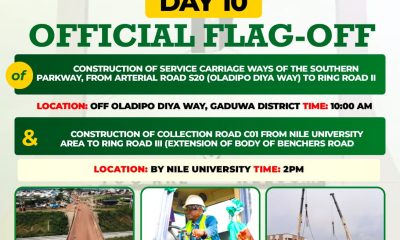
Tinubu set to Flag-Off Construction of Service Carriageways of the Southern Parkway, from Arterial Road S20 (Oladipo Diya way) to Ring Road II, today
Warning: Undefined variable $user_ID in /home/naijuinz/public_html/wp-content/themes/zox-news/comments.php on line 49
You must be logged in to post a comment Login