
News
Fresh respiratory virus: FG tightens monitoring, to quarantine China passengers


- /home/naijuinz/public_html/wp-content/plugins/mvp-social-buttons/mvp-social-buttons.php on line 27
https://naijablitznews.com/wp-content/uploads/2025/01/Screenshot_20250106-095447.jpg&description=Fresh respiratory virus: FG tightens monitoring, to quarantine China passengers', 'pinterestShare', 'width=750,height=350'); return false;" title="Pin This Post">
- Share
- Tweet /home/naijuinz/public_html/wp-content/plugins/mvp-social-buttons/mvp-social-buttons.php on line 72
https://naijablitznews.com/wp-content/uploads/2025/01/Screenshot_20250106-095447.jpg&description=Fresh respiratory virus: FG tightens monitoring, to quarantine China passengers', 'pinterestShare', 'width=750,height=350'); return false;" title="Pin This Post">


By Kayode Sanni-Arewa
The Federal Government on Sunday said it would activate surveillance measures for inbound passengers from China following the current surge of a respiratory virus.
Reports indicate that the virus has led to overcrowded hospitals, emergency measures and public concerns in China.
The virus, attributed to the Human Metapneumovirus, has seen cases spiking across northern Chinese provinces this winter, particularly among children. Neighbouring countries such as Cambodia, Taiwan, and Hong Kong are closely monitoring the HMPV situation, having reported a few cases but no widespread outbreaks, according to reports.
According to Chinese authorities, there has been a noticeable increase in HMPV cases, especially among children under 14 years old in northern parts of the country. Social media posts, accompanied by videos of overcrowded hospitals, have sparked fears of a larger-scale health crisis.
In response to the rising cases, the Chinese government announced measures, including constant monitoring of cases, the adoption of masks, social distancing and disinfection of public spaces to curb the increase of the virus.
The new virus outbreak is coming five years after the emergence of a novel coronavirus – COVID-19 – in Wuhan, China, which was declared a global pandemic by the World Health Organisation on March 11, 2020.
So far, COVID-19 has infected 777 million people globally and killed over seven million, according to WHO.
However, while both HMPV and COVID-19 are respiratory illnesses, there are important differences. HMPV typically causes milder symptoms such as a cold or flu, while COVID-19, caused by the SARS-CoV-2 virus, can lead to more severe health complications and long-term effects.
HMPV is also a seasonal virus, similar to other cold-causing pathogens like RSV, and infections usually peak during the winter months. HMPV, like COVID-19, spreads through respiratory droplets when an infected person coughs or sneezes and it can also spread via contaminated surfaces.
However, officials from the National Health Commission stated that while respiratory diseases are expected to rise during the winter months, the overall situation this year is less severe than last year.
Beijing also downplayed the developments as an annual winter occurrence.
China’s foreign ministry spokesperson Mao Ning said on Friday, “Respiratory infections tend to peak during the winter season. The diseases appear to be less severe and spread with a smaller scale compared to the previous year,” she said.
A pilot programme was launched by China to track pneumonia of unknown origin, ensuring labs and health agencies reported and managed cases more effectively, state broadcaster CCTV reported, quoting an administration official at a news conference.
The US Centers for Disease Control and Prevention said HMPV could cause upper and lower respiratory diseases in people of all ages, especially among young children, older adults and people with weakened immune systems.
The U.S CDC noted that HMPV is most likely spread from an infected person to others through secretions from coughing and sneezing, close personal contact and touching objects or surfaces that have the viruses on them, then touching the mouth, nose, or eyes.
“Symptoms commonly associated with HMPV include cough, fever, nasal congestion and shortness of breath. Clinical symptoms of HMPV infection may progress to bronchitis or pneumonia and are similar to other viruses that cause upper and lower respiratory infections. The estimated incubation period is three to six days, and the median duration of illness can vary, depending upon severity but is similar to other respiratory infections caused by viruses,” the US CDC stated.
Meanwhile, health authorities in Nigeria are already implementing emergency measures to monitor and manage the spread of the HMPV.
The Director, Special Duties, Office of the Director-General of the Nigeria Centre for Disease Control and Prevention, Dr John Oladejo, told The PUNCH on Sunday that the Federal Government would implement preventive measures by activating surveillance measures to curb the spread of the virus.
Earlier in November 2024, global health body WHO noted that it was closely monitoring the situation and was in close contact with national authorities in China, adding that it would continue to provide updates as warranted.
Based on the available information, WHO recommended that people in China followed measures to reduce the risk of respiratory illness, which include recommended vaccines against influenza, COVID-19 and other respiratory pathogens as appropriate; keeping distance from people who are ill; staying home when ill; getting tested and medical care as needed; wearing masks as appropriate; ensuring good ventilation; and practicing regular hand washing.
“WHO does not recommend any specific measures for travellers to China. In general, persons should avoid travel while experiencing symptoms suggestive of respiratory illness, if possible; in case of symptoms during or after travel, travellers are encouraged to seek medical attention and share travel history with their health care provider.
“WHO advises against the application of any travel or trade restrictions based on the current information available on this event,” the body added.
First detected in Pakistan in 2001, the HMPV has caused several outbreaks over the years in the Asian nation, primarily affecting children, but the virus is new to Africa as there haven’t been reported cases on the continent.
“Human Metapneumovirus was first identified in Pakistan in 2001, and outbreaks have been reported since then,” an official at the National Institute of Health, Islamabad, said.
“In 2015, a study conducted at Pakistan Institute of Medical Sciences found 21 cases of HMPV in children hospitalised with severe lower respiratory tract infections.”
Meanwhile, medical experts have stated that implementing surveillance measures against the virus was a crucial and appropriate step in ensuring that it doesn’t spread to the country.
They emphasised that surveillance should be an ongoing process carried out continuously by the government.
A virologist at the Department of Virology, College of Medicine, University College Hospital, Ibadan, Dr Moses Adewumi said, “On good day, surveillance should always be part of us. What happens most times is that despite the amount that was voted for COVID-19, we seem to have relaxed. Our people are more interested in spending the money, and after that, we probably decide to go to sleep. So, the surveillance should be a continuous thing.
“It is good that we increase our surveillance for people coming into the country, especially from China, Japan and other places, where we have the outbreaks. The government should be more involved in surveillance because most of the surveillance and all the research we do is funded by foreign bodies, so our own government should be more interested in research, in surveillance for all these viruses.
“The virus is not new but the surge may be because there is a different variant, and that is why we need to increase our surveillance and monitor it closely to curtail its introduction into the country. Experience has taught us that if we check now, we may have our people with antibodies already, and that’s a confirmation that it’s likely that this is circulating here, maybe not the exact variants that they have now.”
Also, an Associate Professor of Infectious Diseases and Genomics in the Department of Microbiology at the Adeleke University, Osun State, Oladipo Kolawole, noted that the decision by the government to implement surveillance measures was a good one, adding that it aimed to monitor and control the potential spread of the virus, ensuring public health safety as the situation developed.
Kolawole said, “The government is likely to enhance screening processes at points of entry and provide guidelines for travellers from China, this is to mitigate risks associated with HMPV. Activating surveillance allows for the early detection of cases, which is essential in managing outbreaks effectively. Monitoring travellers from regions experiencing outbreaks can help identify and isolate cases before they spread within the community.
“Also, quarantine for inbound passengers from the affected regions can significantly reduce the risk of transmission. It serves as a precautionary measure to ensure that individuals who may be infected do not unknowingly spread the virus to others. Finally, this situation underscores the importance of preparedness in public health systems.”
Meanwhile, Hong Kong has reported a few cases of HMPV following the outbreak in China while Cambodia’s Communicable Disease Control Department issued warnings about the virus, noting its similarity to COVID-19 and influenza.
Taiwan’s Centers for Disease Control said the virus poses higher risks for children, the elderly and immuno-compromised individuals.
In neighbouring India, officials said there was no need for panic as HMPV is “like any other respiratory virus.”
Punch
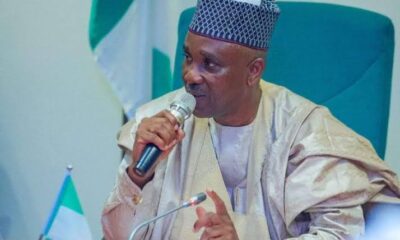

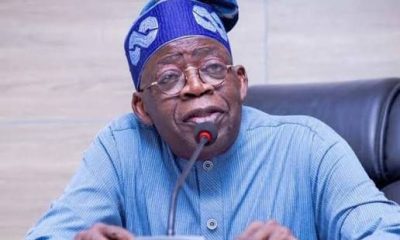






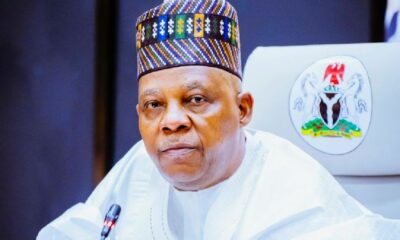



Northern leaders and stakeholders have acknowledged deep-rooted social, political and leadership failures across the region, warning that insecurity, neglect of education, corruption, elite rivalry and the Almajiri crisis are threatening the future of Northern Nigeria.
The concerns were contained in the communiqué of the third Late General Hassan Usman Katsina Memorial Conference organised by the New Vision Development Initiative (NEVDI) at Arewa House, Kaduna.
The communique of the conference which held on July 25, 2026, with the theme, “From Sacrifice to Strategy: Rekindling General Hassan Usman’s Katsina Vision for Prosperous Northern Nigeria,” was released over the weekend. The conference brought together political, traditional and religious leaders, academics and other stakeholders.
Major-General Alwali Kazir, a former Chief of Army Staff, chaired the conference, while President Bola Tinubu was represented by Alhaji Ibrahim Masari.
Chairman of the Northern Elders Forum, Prof. Ango Abdullahi, presented a special report, while Dr Usman Bugaje of the Arewa Research Development Project delivered the lead paper, which was discussed by Prof. Siddique Abubakar Mohammed of the Centre for Development Research and Training, Zaria.
The conference said that after years of discussing the problems confronting the North, the region could no longer remain at the level of diagnosis without taking decisive action.
It identified insecurity, displacement of farmers, the persistence of the Almajiri system and the large number of out-of-school children as some of the most serious challenges requiring urgent intervention.
The gathering was particularly critical of what it described as a declining value system in the North, saying wealth had increasingly been elevated above knowledge in determining leadership.
It also expressed concern that corrupt individuals and sycophants were sometimes accorded greater respect than morally upright citizens.
The conference criticised what it called the waste of community resources on extravagant weddings, naming ceremonies and other celebrations, arguing that such wealth could instead be mobilised to tackle poverty and promote community development.
It also raised concern over the neglect of girl-child education, saying girls should be equipped with sufficient education and skills to sustain themselves and their families.
The communiqué equally lamented corruption across different sectors, including among some religious leaders, warning that such conduct had contributed to the erosion of traditional values such as truth, dignity, respect, sacrifice, fair play, promptness and dedication to duty.
Another major concern was the absence of reliable demographic planning.
According to the conference, the North does not sufficiently track how many people are born, die, marry or relocate, making meaningful development planning difficult.
The stakeholders also blamed persistent quarrels among Northern political, traditional and religious leaders for weakening the region.
“The North must have unity of purpose for development of the region,” the communiqué stated, stressing that meaningful development would remain difficult without cooperation among its leaders.
The conference also criticised what it described as endless campaigning and rhetoric by the political elite, declaring that the time had come to translate the legacy of General Hassan Usman Katsina into concrete action.
It further called for a review of approaches to insecurity, saying methods adopted since 2009 had failed to produce the desired results.
Almajiri Crisis Takes Centre Stage
At the heart of the resolutions was a commitment to confront the Almajiri problem, which participants identified as one of the gravest threats to the North’s human capital, economic competitiveness, security, social cohesion and sustainable development.
NEVDI resolved to develop a model for removing Almajiri children from the streets and providing them with meaningful education and opportunities.
Under the proposed initiative, influential and willing philanthropists would be mobilised across the Northern states to support the programme. A common implementation template would also be designed, while a committee of trustees would supervise the project.
The conference stressed, however, that success should not merely mean moving children from the streets into classrooms.
It said the ultimate objective should be to ensure that every child, irrespective of gender, location, disability, economic circumstances or educational tradition, receives meaningful learning, skills and competencies capable of providing a pathway to productive citizenship.
The communiqué warned that the crisis could no longer be addressed through conferences, television and radio discussions, fragmented interventions or short-term projects.
It called for sustained and coordinated action involving governments, development partners, civil society organisations, communities, philanthropists, individuals and the private sector.
NEVDI pledged to translate the resolutions of the conference into “practical, testable and scalable solutions.”
The communiqué was signed for the organisation’s Board of Trustees by retired Colonel Lawan Gwadabe.

Nigerian author Chimamanda Ngozi Adichie has revealed that the death of her 21-month-old son, Nkanu, has profoundly changed her feelings towards Nigeria, saying she no longer wants to return to the country.
Adichie made the disclosure in an interview with The New York Times, where she was asked whether Nigeria still felt close to her heart.
“My feelings toward Nigeria have changed,” the award-winning author said, before adding, “I do not want to go back to Nigeria.”
Nkanu, one of Adichie’s twin sons, died in December 2025 following a medical emergency at Euracare in Nigeria.
According to Adichie, Nkanu initially developed a fever and was placed on antibiotics by her husband, Ivara Esege. However, when his condition failed to improve, he was taken to hospital for further medical evaluation.
She said her son was sedated with propofol during an MRI before suffering cardiac arrest and dying the following day.
Recounting the devastating experience, Adichie said a doctor approached her after the procedure and told her: “Well, look, they gave him too much Propofol.”
“That was his exact words, which I will never forget until the day I die,” she recalled.
Adichie had previously raised allegations of medical negligence concerning her son’s treatment. The circumstances surrounding Nkanu’s death are currently the subject of a coroner’s inquest, amid disagreements between the family and the hospital over what happened.
The author said her children could ultimately be the only reason she would consider returning to Nigeria, noting that her daughter still regards the country as her “happy place.”
Reflecting on the loss of her son, Adichie described her grief as surreal.
“I mean, it is so surreal, all of this. I still can’t believe we’re talking about my son who died,” she said.
“You’re going through something, but you also feel like you’re outside of it.”
News
Break-Up Fears Grip UK as Scotland, Wales, Northern Ireland Leaders Plot New Constitutional Front


Leaders of Scotland, Wales and Northern Ireland are set to meet in Cardiff on Monday in an unprecedented summit that could intensify calls for greater autonomy and a potential break-up of the United Kingdom.
Scottish First Minister John Swinney, Welsh First Minister Rhun ap Iowerth and Northern Ireland First Minister Michelle O’Neill are expected to discuss a joint approach to constitutional reform, including the right of their respective nations to determine their own futures.
They will be joined by Mary Lou McDonald, president of Sinn Féin and leader of the opposition in the Republic of Ireland.
The meeting at the St David’s Hotel overlooking Cardiff Bay is expected to focus on four broad areas: the economy, energy, relations with Europe and the wider international community, and self-determination.
The leaders are also expected to endorse a joint declaration asserting the democratic right of Scotland, Wales and Northern Ireland to determine their constitutional futures, potentially including independence referendums.
The gathering comes amid growing pressure for a major overhaul of the UK’s constitutional structure and greater powers for the devolved nations.
‘Status quo is not sustainable’
Swinney, whose Scottish National Party (SNP) has long campaigned for Scottish independence, has described the meeting as evidence of a fundamental shift in the political landscape.
“For the first time ever, Scotland, Wales and Northern Ireland are led by pro-independence first ministers,” he said, arguing that the development showed that the existing constitutional arrangement was becoming unsustainable.
“The momentum behind serious constitutional change is undeniable,” Swinney added.
He has also suggested that Westminster must prepare for a future in which the United Kingdom’s current structure could fundamentally change.
Independence and Irish unity
The summit could give fresh momentum to separate constitutional campaigns across the three nations.
In Scotland, the SNP continues to press for another independence referendum, while Plaid Cymru is seeking greater autonomy for Wales.
Northern Ireland’s Sinn Féin, meanwhile, is campaigning for Irish reunification under the terms of the Good Friday Agreement.
Sinn Féin is expected to use Monday’s meeting to argue that preparations for a referendum on Irish unity should begin now.
A party source said the agreement provided a democratic route for Northern Ireland to determine its future and that Irish unity should no longer be treated as a distant possibility.
Wales demands more powers
For Wales, the talks are also expected to focus on demands for greater control over taxation, public spending, policing and rail infrastructure.
Plaid Cymru is particularly pushing for Wales to receive revenues generated from the Crown Estate, including income from seabed areas used for offshore wind projects, rather than having the money transferred to the UK Treasury.
The party has argued that closer cooperation among the three devolved nations could deliver practical benefits while strengthening their collective bargaining position with Westminster.
Burnham pushes back
The growing constitutional debate has also drawn attention from Andy Burnham, who has previously indicated that another Scottish independence referendum could potentially be considered if there were a clear public consensus.
However, Burnham has since insisted that another referendum is not on the table before the next UK general election.
In a letter to Swinney, he said there was no clear consensus for Scottish independence and no evidence that a majority in Northern Ireland currently wanted to leave the United Kingdom.
Burnham also pointed to Labour’s 2024 election manifesto, which stated that the party did not support Scottish independence or another referendum.
He argued that reopening the issue would distract from the government’s priorities of economic growth and tackling the cost-of-living .

Haaland came through as 10-man Man City defeats Manchester United

Northern Leaders Seek Unity As Almajiri, Insecurity Threaten Region

‘I Don’t Want to Return to Nigeria’ — Chimamanda Adichie Speaks After Son’s Death




-
 News15 hours ago
PCN Seals 797 Drug Outlets, Shuts Kano Illegal Medicine Cluster
-

 News15 hours ago
You Can’t Insist You Won 2023 Election After Supreme Court Gave Final Ruling’ – Tinubu Presidency Tackles Peter Obi
-

 News21 hours ago
FULL LIST: INEC Names 18 Presidential Candidates for 2027 Election
-
 News15 hours ago
INEC Unveils Final List Of Presidential Candidates For 2027 Election
-

 News10 hours ago
2027: Peter Obi Launches Four-Year Reform Plan
-
 News15 hours ago
Sanwo-Olu Explains Delay In Opening Ojota-Opebi Link Bridge
-

 News15 hours ago
Bosun Tijani Withdraws From ITU Deputy Secretary-General Race
-
 News10 hours ago
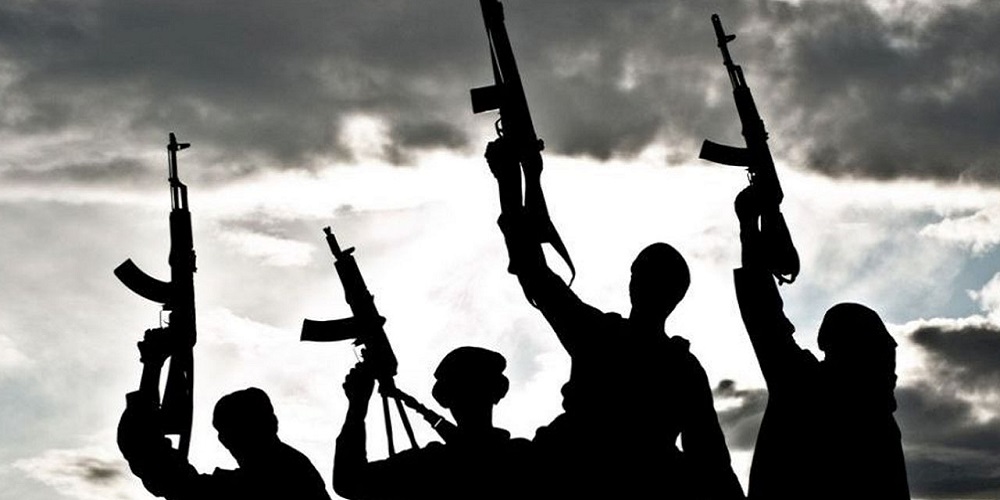
Just in: Five Islamic Clerics Reportedly Abducted After Praying for Tinubu’s Re-Election at Senator Yari’s Residence
Warning: Undefined variable $user_ID in /home/naijuinz/public_html/wp-content/themes/zox-news/comments.php on line 49
You must be logged in to post a comment Login