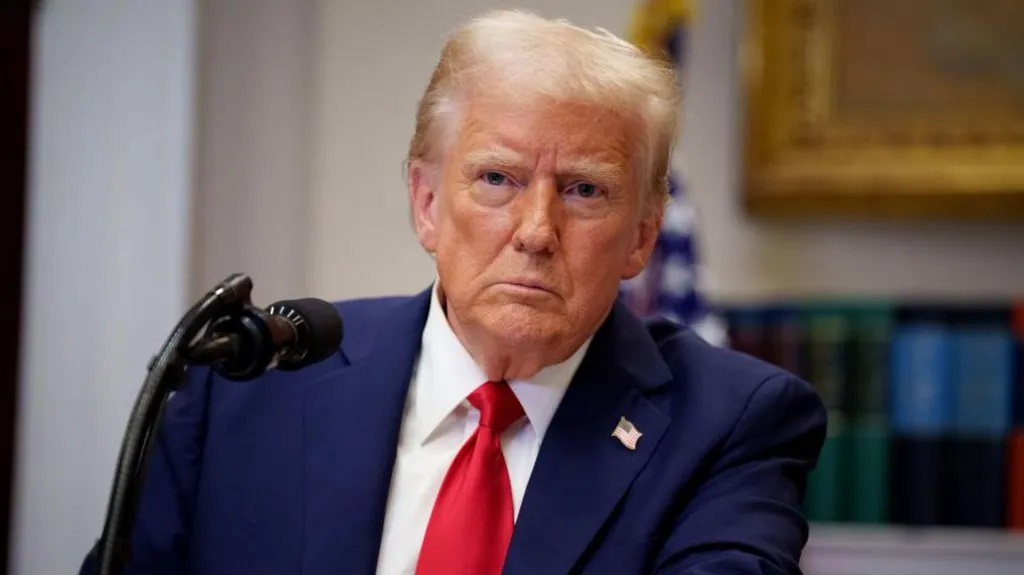
On Thursday, the U.S. Supreme Court announced it would delay ruling on President Trump’s controversial claim that the Constitution does not guarantee birthright citizenship. The justices will hear arguments in the case on May 15, with a final decision expected by late June or early July.


The Court made no mention of addressing other concerns raised by the Trump administration, particularly its frustration with single district court judges issuing nationwide rulings in such cases.
Since Trump issued an executive order on his first day in office to end birthright citizenship, every court that has reviewed it has blocked the order. Despite repeated legal defeats, Trump has remained adamant that the constitutional guarantee of citizenship to all born on U.S. soil is invalid—an idea long dismissed by mainstream legal scholars. The Supreme Court affirmed birthright citizenship 127 years ago, and that ruling still stands. 
A coalition of states has challenged Trump’s order, arguing there’s no legal ambiguity about the 14th Amendment. In their brief to the Court, they wrote: “For over a century, it has been the settled view of this court, Congress, the Executive Branch, and legal scholars that the Fourteenth Amendment guarantees citizenship to babies born in the United States, regardless of their parents’ status.”
The amendment itself reads: “All persons born or naturalized in the United States, and subject to the jurisdiction thereof, are citizens of the United States.” Trump, however, insists this does not apply universally.
Federal judges in three states have blocked Trump’s executive order, and appeals courts have upheld those decisions. Notably, Judge John Coughenour—appointed by President Reagan—was the first to rule the order “blatantly unconstitutional.”
Even Trump’s legal team seemed to recognize the legal challenges. Rather than pushing for a total reversal of lower court decisions, they asked the Supreme Court to narrow the rulings, hoping to at least begin implementing parts of the new policy.