

Nigeria Needs To Focus on Local Solutions to Fight Poverty – Speaker Abbas


ADVERTISEMENT
Zoom Ad
ADVERTISEMENT
Zoom Ad

By Gloria Ikibah

Speaker of the House of Representatives, Rep. Tajudeen Abbas, has said the fight against poverty in Nigeria must start at the community level.

Advertisement

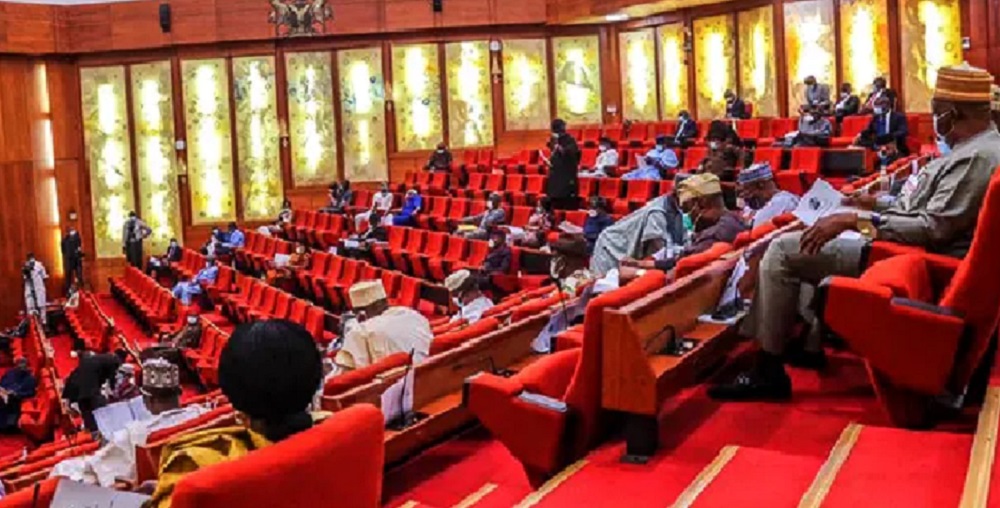
Representatives by the Chief Whip of the House, Rep. Isiaka Ibrahim, at the inauguration of a new House Committee focused on community and social development on Wednesday, Abbas stressed that real change will only happen when policies are designed to meet the everyday needs of people in towns and villages.

He also called on the government to create people-friendly programmes that reduce the gap between the rich and the poor.

The event, held at the National Assembly in Abuja, marked the official takeoff of the Committee on Community and Social Development Agency/NG-Cares. Abbas urged members of the Committee to approach their work with honesty and a genuine desire to help struggling Nigerians.
He said, “With inflation eroding household incomes and widening social gaps, there is a pressing need for structured, grassroots-driven mechanisms to deliver measurable poverty reduction and enhance economic self-reliance. 
 
“Given the multidimensional nature of poverty in Nigeria, where deprivation extends beyond income to basic infrastructure, there is an urgent need for quick intervention to provide services and opportunities that are both community-sensitive and adaptable. That is the reason for the creation of this committee.  
 
“Community and social development occupy a foundational place in the architecture of national advancement. They serve as primary conduits to actualise inclusive growth, distributive equity, and societal cohesion. 
 
“In a country as demographically diverse and economically stratified as Nigeria, the decentralisation of development initiatives ensures that no region remains a peripheral participant in the nation’s progress.”
 
According to Speaker Abbas, “When strategically harnessed, community-based interventions do more than provide services. They stimulate local agency, fortify social capital, and generate ownership that transcends administrative cycles. 
 
“The direct impact on poverty alleviation, access to education, healthcare penetration, and localised economic activity has been empirically affirmed in multiple National Bureau of Statistics surveys, reinforcing the need for sustained investment in this policy domain.”
 
He further noted that the role of institutions such as the Community and Social Development Agency and the NG-CARES initiative has grown increasingly vital, particularly in a post-pandemic fiscal environment marked by inflationary pressures and fragile livelihoods. 
 
“NG-CARES, supported by the World Bank, has already reached over two million Nigerians with livelihood grants, social transfers, and basic services, a feat that illustrates the efficacy of decentralised interventions in cushioning systemic shocks.
 
“Beyond immediate relief, such programmers function as quiet architects of democratic stability, especially in regions historically marginalised by state infrastructure. By enhancing service delivery in underserved communities, they curtail grievance cycles, reduce dependency on external aid, and re-anchor citizenship in the legitimacy of the state. 
 
“To date, CSDA interventions have impacted more than 23 million Nigerians across 29 states, while NG-CARES continues to cushion economic shocks for vulnerable households through its performance-based financing mechanisms,” he added. 
 
“The Committee,” the Speaker added, “Has been created to recommend measures for consideration by the House in respect of policies, projects, and programs aimed at addressing developmental challenges, rural and suburban communities in the country.”
 
Earlier in his welcome address, Chairman of the Committee, Rep. Abubakar Kusada said the NG-CARES initiative is an opportunity to translate government’s well-intended programs and projects into reflective actions to provide succour to the populace population.
 
He noted that the newly inaugurated Committee has already “Worked out a well-recapitulated work-plan that captures a guide for us to deliver on the mandate, focusing on strategic oversight, legislative support and collaboration with stakeholders to ensure that CSDA fulfills it developmental objectives.”
Add a Comment

Leave a Reply

Keep Up to Date with the Most Important News

By pressing the Subscribe button, you confirm that you have read and are agreeing to our Privacy Policy and Terms of Use
Advertisement