

By Gloria Ikibah
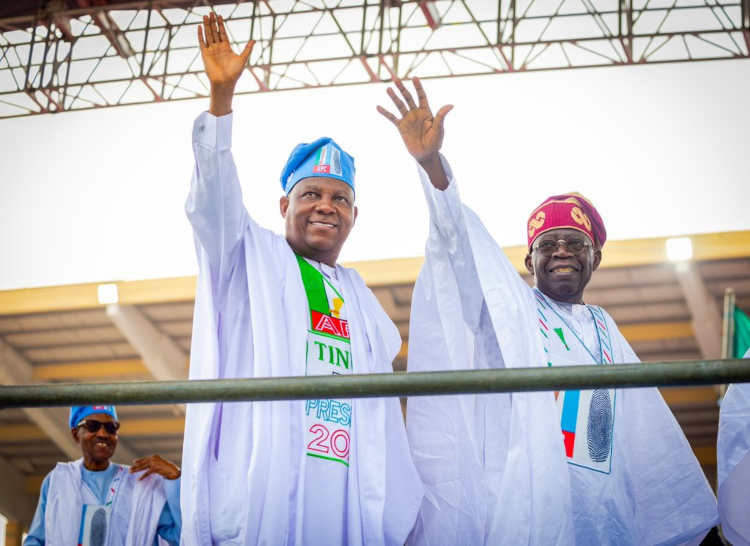
As President Bola Ahmed Tinubu reaches the two-year mark of his tenure, leaders within the House of Representatives have acknowledged the administration’s efforts to address longstanding national challenges through a series of significant policy shifts and institutional reforms. 
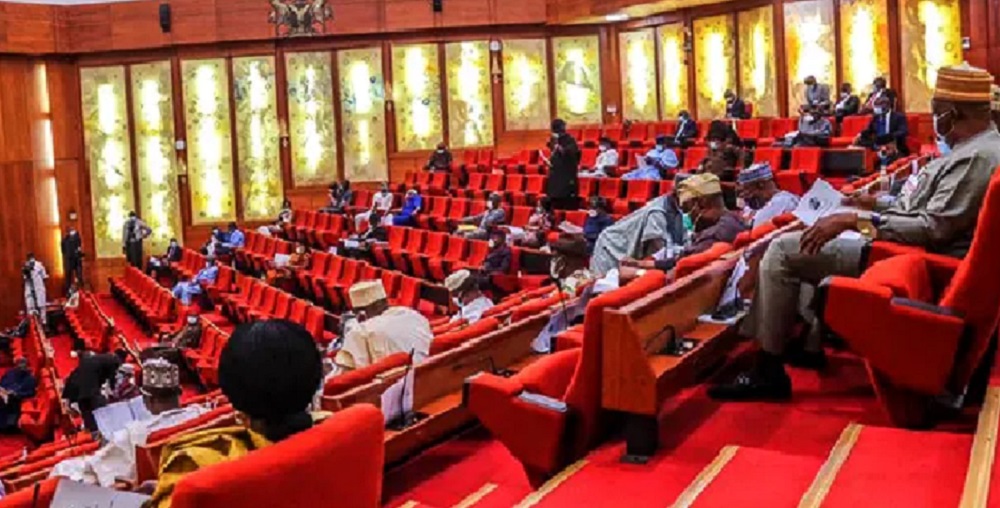
In separate remarks delivered on Tuesday, Speaker of the House, Rep. Tajudeen Abbas, and Deputy Speaker, Rep. Benjamin Kalu, extended their acknowledgements to the President, noting that his approach to governance has introduced a new phase of recalibration within key sectors of the economy and public administration.
They characterized the past two years as a period marked by assertive policy direction and strategic intervention, aimed at repositioning the country for more sustainable progress and international engagement.
The Speaker also pointed to a series of financial and economic developments, including efforts to streamline currency exchange mechanisms, increased international capital inflows, and early signs of renewed stability in the national currency.
Regarding infrastructure, Abbas referenced ongoing international cooperation, particularly with China through frameworks such as the Belt and Road Initiative. He noted that these engagements have contributed to advancements in transportation networks, port facilities, and energy diversification projects across the country.
He characterized the withdrawal of oil subsidies as a necessary adjustment, describing it as a step toward resolving long-term inefficiencies that had previously placed undue strain on public resources.
Kalu highlighted a range of initiatives and outcomes attributed to the administration’s efforts, including the rollout of the Presidential Loan and Grant Scheme benefiting over 900,000 recipients, the expansion of the Students Loan Scheme reaching more than 300,000 students, and the resolution of $10 billion in outstanding foreign exchange liabilities. He also referenced progress on over 440 road infrastructure projects totaling more than 2,700 kilometers, a reported 3.84% GDP growth in the final quarter of 2024—the highest recorded in three years—and the proposed increase of the national minimum wage to ₦70,000.
Additional points included advancements in security operations, foreign direct investment commitments estimated at $50 billion, a marked increase in external reserves from $3.99 billion in 2023 to $23.11 billion in 2024, the facilitation of $8 billion in new oil and gas sector investments, and the enactment of key fiscal legislation, including four major tax reform laws and the establishment of new regional development bodies.
Kalu concluded by reaffirming the National Assembly’s commitment to supporting initiatives that promote national stability and socioeconomic advancement, emphasizing the legislature’s role in backing legislation aligned with the broader reform agenda.