FCT Natives Urge Rethink of Relocation Measures in FCT, Advocate Inclusive Urban Development

By Gloria Ikibah 

ADVERTISEMENT
Zoom Ad
ADVERTISEMENT
Zoom Ad

The Indigenous people of the Federal Capital Territory (FCT) have been raised concerns regarding long-standing relocation efforts overseen by relevant authorities. 

Representatives from affected communities emphasised the need for development strategies that reflect inclusivity, dignity, and fairness in addressing demographic shifts and urban planning initiatives.

Advertisement

These views were shared during a legislative forum convened by the House of Representatives Committee on Area Councils and Ancillary Matters, held at the National Assembly Complex in Abuja on Tuesday.

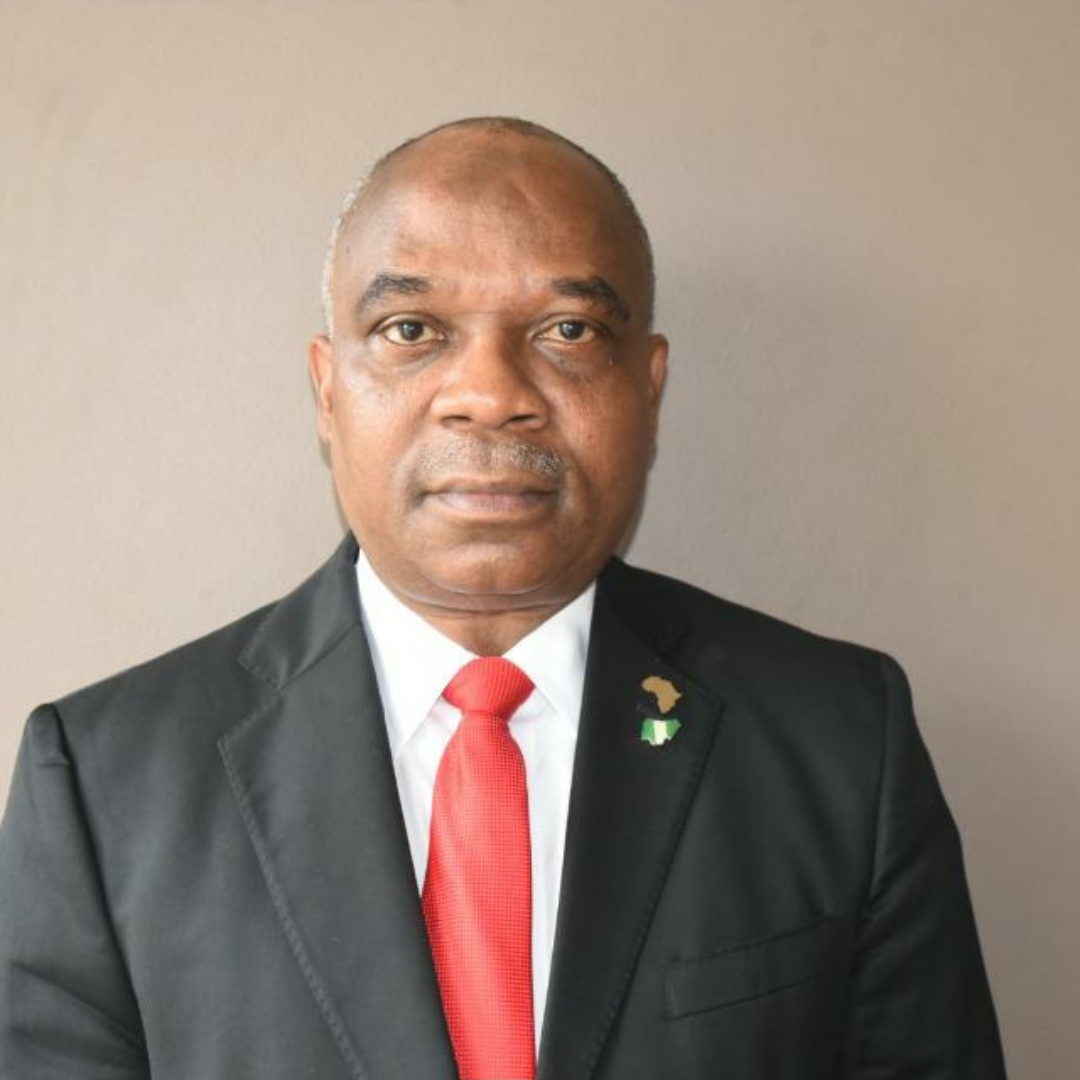
In his remarks, represetative of Speaker Tajudeen Abbas, in person of Rep. Joe Oke Onuakalusi, encouraged the stakeholders to voice their perspectives candidly. The input gathered, he noted, would inform future legislative proposals aimed at fostering unity and reinforcing national values as enshrined in foundational documents.

The Speaker underscored the persistent nature of conversations surrounding the recognition and integration of native FCT communities, and pointed out that such matters, while locally focused, reflect broader national considerations tied to equity and societal balance.

Abbas therefore charged the committee to carefully document all contributions made during the hearing, and assured that the 10th House, under his leadership, was committed to developing legislative solutions that reflect the collective aspirations of the people.

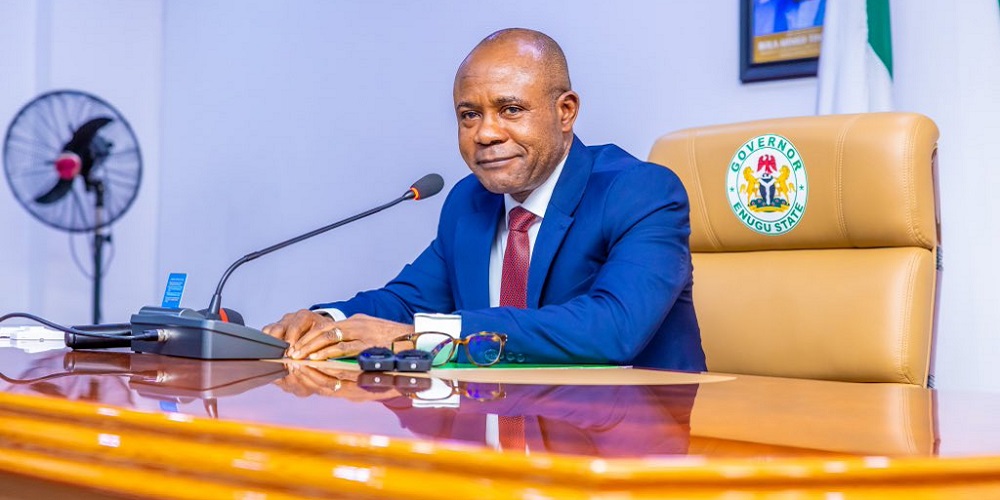
Committee Chairman Rep. Fredrick Agbedi clarified that the hearing originated from a prior motion calling for a reassessment of current resettlement frameworks, suggesting a shift towards more adaptive and collaborative models that address the needs of both longstanding and newer residents in the capital territory.

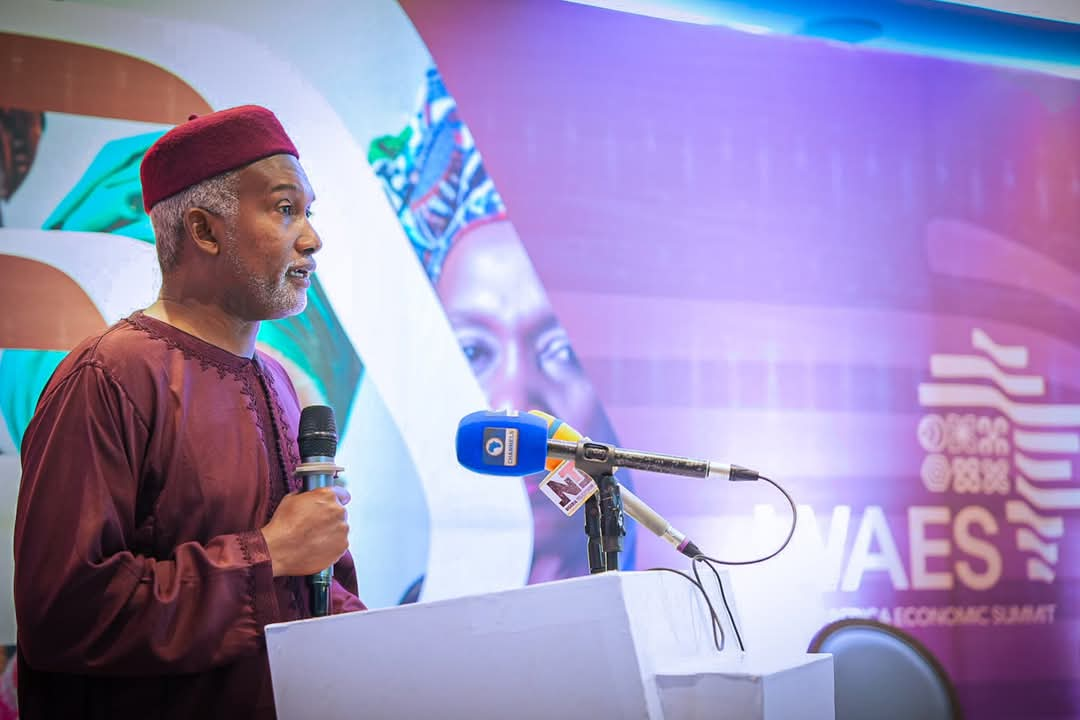
He said: “The FCT is a symbol of unity and a representation of our national ideals. It was built for all Nigerians, irrespective of ethnic, religious, or regional backgrounds. 
 
“However, with growth and diversity come complex challenges—including the displacement of indigenous communities, the unclear status of non-indigenous residents, and the tension between customary land rights and modern urban planning.”
 
In his remarks, Director of Resettlement and Compensation at the FCDA, TPL Nasiru Suleiman, requested additional time for the agency to present its memorandum. The committee granted a two-week extension to enable the FCDA to submit its presentation.
 
Also speaking at the hearing, the Sepeyi of Garki, Chief Usman Nga Kupi—who represented the Ona of Abaji—lamented the sacrifices made by FCT natives, including the loss of ancestral lands and property in the name of national development.
 
Hon. Bala Iya, representing the Kpaduma community, decried what he described as a longstanding pattern of injustice and discriminatory practices against indigenous residents. He said farmlands had been seized without compensation, disrupting not only livelihoods but the people’s spiritual and cultural ties to their land.
 
“The resettlement process must include allocation of reasonably sized land, with proper title documents and financial support for building development as approved by Development Control,” he said.
 
Meanwhile, the Original Inhabitant Development Association of Abuja called for a constitutional amendment to secure equal rights for FCT natives. Represented by Giwa Bamaiyi, the group’s President, Pastor Danladi Jeji, proposed the establishment of a National Commission for Indigenous Peoples to address the systemic challenges faced by original inhabitants.
Add a Comment

Leave a Reply

Keep Up to Date with the Most Important News

By pressing the Subscribe button, you confirm that you have read and are agreeing to our Privacy Policy and Terms of Use
Advertisement