

Youth Unemployment a Regional Crisis, Says ECOWAS Parliament Official

By Gloria Ikibah

ADVERTISEMENT
Zoom Ad
ADVERTISEMENT
Zoom Ad

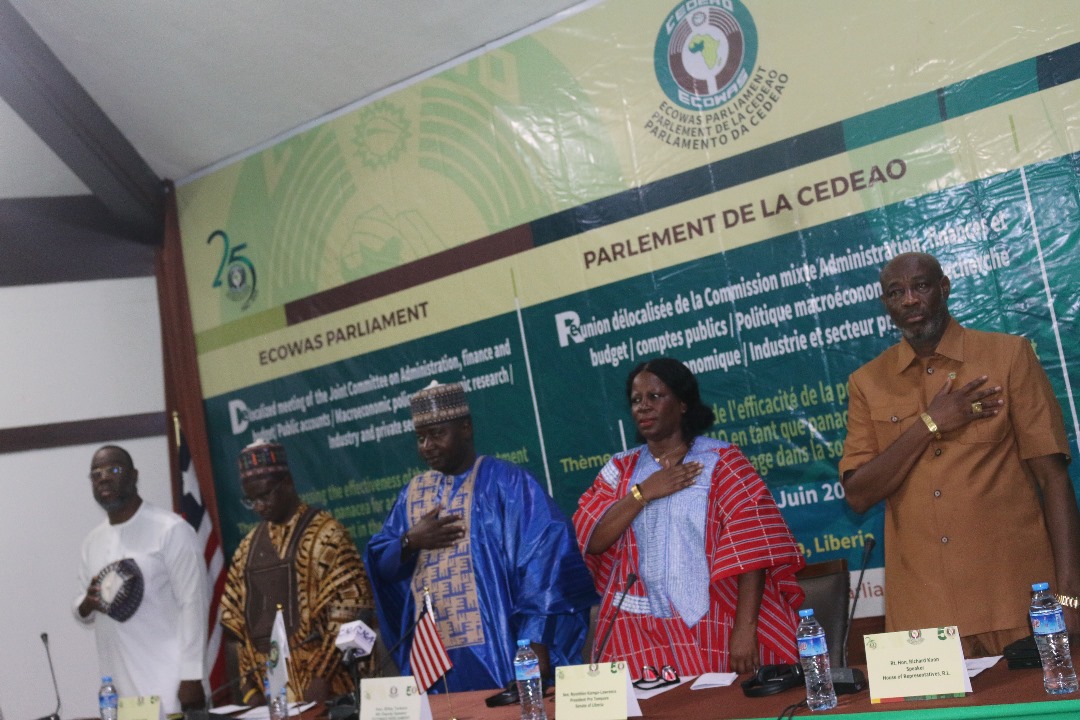
The Chairman of ECOWAS Parliament Committee on Macroeconomic Policy and Economic Research, Hon. Alhagie S. Darbo, has described youth unemployment in West Africa as a “social emergency” that threatens regional peace and continues to drive migration.

Speaking at the opening of a joint committee session in Monrovia on Monday, Hon. Darbo underscored the urgency of coordinated action to address the crisis. He warned that without meaningful intervention, rising joblessness among young people would continue to destabilize communities and erode gains made in economic development.

Advertisement

The meeting, which brought together lawmakers from across the sub-region, is focused on reviewing the ECOWAS Investment Policy (EIP) and evaluating how effectively it has supported job creation.

Discussions are expected to explore new strategies for harnessing private sector growth and improving employment outcomes for the region’s rapidly growing youth population.
“The critical issue for our consideration… is not only about the need for investment, but how we can also leverage the ECOWAS Investment Policy to produce concrete benefits for our people—especially in the form of decent, sustainable jobs,” Darbo told delegates.
West Africa’s Job Crisis and Policy Imperative
Despite West Africa’s rich natural resources and human capital, youth unemployment remains among the highest globally, a paradox highlighted by the ECOWAS Parliament. Darbo stressed that the existing ECOWAS Investment Policy, designed to foster a transparent investment environment, must now move “from aspiration to implementation, from growth to inclusive development, from investment attraction to job creation.”
For the regional parliament and governments, the focus is now squarely on translating investment into tangible employment opportunities:
Effective Policy Implementation: Beyond simply enacting policies, there is a pressing need for robust implementation at the national level, tackling bureaucratic hurdles and political inertia that can stifle investment and job creation.
Inclusive Investment: The call is for an investment climate that is not only globally competitive but also intentionally generates opportunities for vulnerable populations, including youth, women, and small and medium-sized enterprises (SMEs).
This implies targeted incentives and support.
Strategic Alignment: Investment policies must be closely aligned with the specific development priorities of each member state, ensuring that capital inflows directly address local unemployment challenges.
Strengthened Oversight: The ECOWAS Parliament is poised to play a crucial oversight role, ensuring that the EIP’s implementation genuinely benefits citizens and contributes to regional integration through measurable job creation.
Quality over Quantity: The emphasis is on attracting “quality investment”—capital that brings skills transfer, technological advancement, and sustainable practices, leading to long-term, decent employment.
Innovation and Growth: Policies should foster innovation and create an enabling environment for new businesses to emerge, diversifying employment opportunities beyond traditional sectors.
Analysis: Navigating a Complex Path to Job Creation
The ECOWAS Parliament’s renewed focus on the effectiveness of its investment policy underscores a growing recognition that simply attracting capital isn’t enough; it must translate into tangible benefits for the region’s burgeoning workforce. This week’s meeting in Monrovia signals a crucial shift towards practical outcomes, moving beyond broad aspirations to pinpointing precisely how investment can alleviate West Africa’s high unemployment rates.
A significant challenge lies in ensuring that regional policies are consistently implemented at the national level. Member states often have varying domestic priorities and bureaucratic capacities, which can impede the seamless flow of investment and its subsequent impact on job creation. The parliamentarians’ role will be vital in advocating for the necessary legislative reforms and oversight mechanisms to bridge this gap.
Furthermore, the effectiveness of any investment policy is intricately linked to the broader security landscape in West Africa. Ongoing instability in parts of the region can deter much-needed foreign and domestic capital, particularly for long-term projects in job-rich sectors. The discussions in Monrovia will likely touch upon how to create secure and predictable environments that foster investor confidence.
For this initiative to truly succeed, there must be a concerted effort to align investments with regional value chains and prioritize sectors with high employment multipliers, such as agro-processing, manufacturing, and digital services. This approach can create a ripple effect, generating more jobs across various segments of the economy.
Add a Comment

Leave a Reply

Keep Up to Date with the Most Important News

By pressing the Subscribe button, you confirm that you have read and are agreeing to our Privacy Policy and Terms of Use
Advertisement