By Gloria Ikibah


Free movement of persons and labour mobility experts say is key to West Africa’s push for deeper regional integration and the success of the African Continental Free Trade Area (AfCFTA).
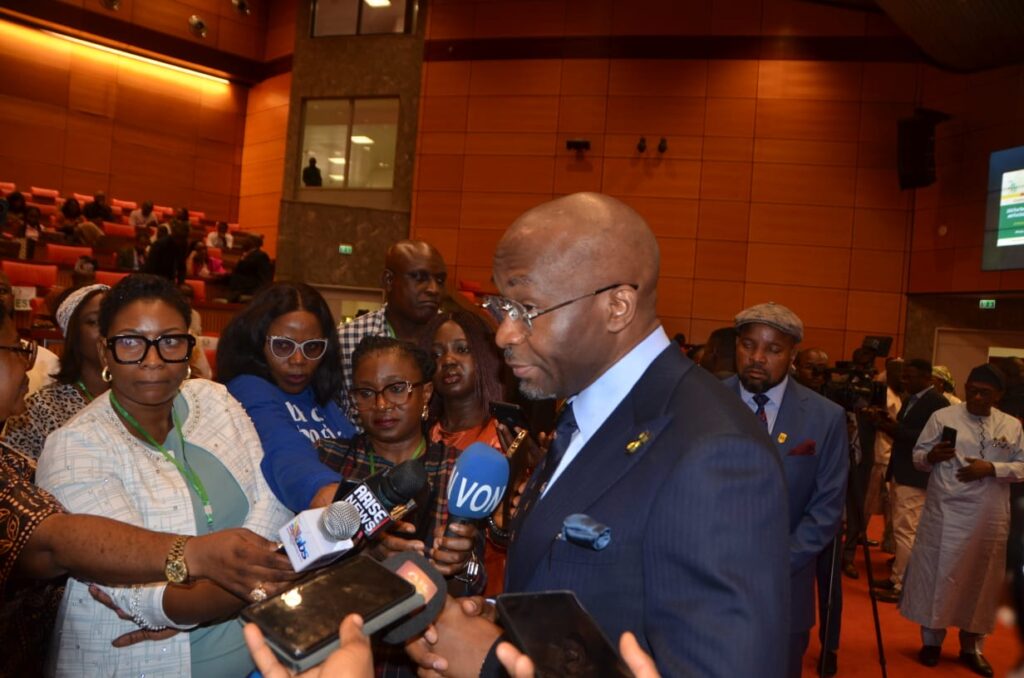
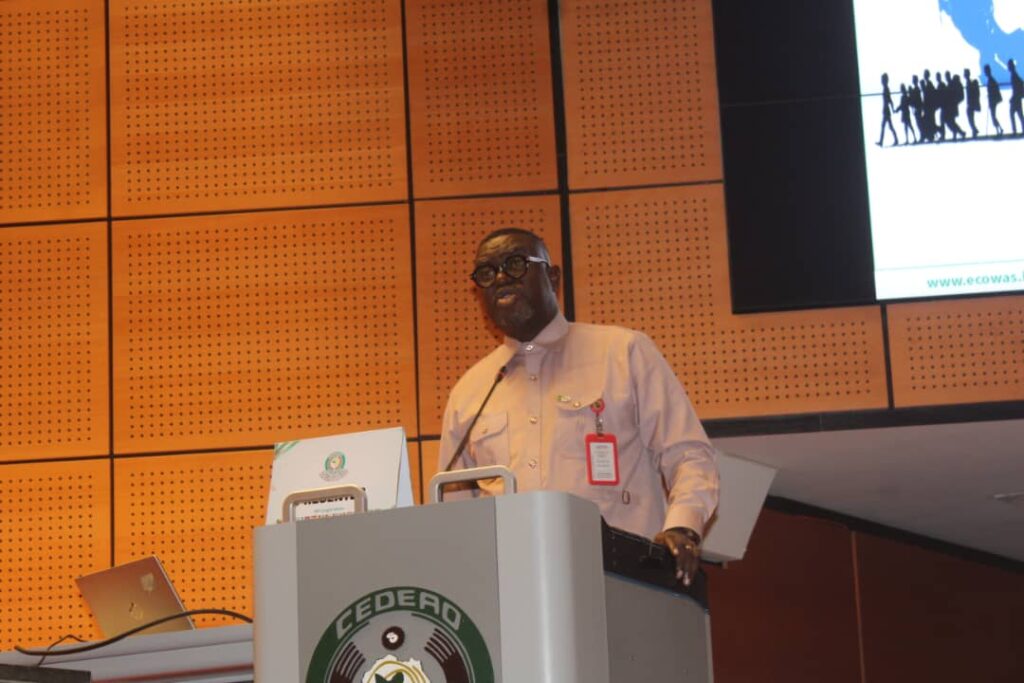
Presenting a detailed brief to lawmakers at the ongoing 2026 First Ordinary session of the ECOWAS Parliament, ECOWAS Director of Free Movement of Persons and Migration, Albert Siaw-Boateng, described human mobility as “a catalyst for regional integration and AfCFTA success”. 
He urged Member States to close persistent gaps in labour governance while consolidating decades of progress under the bloc’s landmark mobility framework.
Siaw-Boateng reminded Parliament that the ECOWAS Free Movement Protocol, adopted in 1979 and revised in 1993, remains “a core element of the regional integration agenda” and is fully aligned with continental ambitions, including the African Continental Free Trade Area.
The Protocol, implemented in three phases, provides for the right of entry, residence and establishment across the region.
Under the first phase — the right of entry — citizens of Member States are permitted visa-free travel with a passport and health certificate. The controversial 90-day stay limitation is currently under review in national legislations, with ECOWAS pushing for its abolition.
The second phase grants the right of residence, enabling citizens to seek and undertake income-earning employment in line with national provisions. The third phase — the right of establishment — allows migrants to participate in economic activities, including the creation and management of enterprises, under the principle of non-discrimination.
“Free Movement Right of Entry is fully implemented.
“What remains is strengthening implementation in areas that align mobility with labour standards and protections,” Mr Siaw-Boateng stated.
Turning to the ECOWAS Regional Migration Policy, he stressed that reliable data is fundamental to effective governance.
The policy rests on nine pillars, including promoting free movement, managing labour migration and student mobility, strengthening protection for people on the move, addressing the gender dimension of migration, tackling climate-related displacement, and enhancing regional migration governance.
“Building a harmonised regional data collection and management system provides the very foundation for ECOWAS policymakers to develop evidence-based migration and development policies that are tailored to the region’s demographic realities,” he said.
The ECOWAS Director highlighted key labour migration instruments adopted by ECOWAS Heads of State, notably the Common Approach to Migration, endorsed in 2008, which seeks to strengthen the migration-development nexus while minimising negative impacts.
He also pointed to the recently validated ECOWAS Labour Migration Strategy and Action Plan (2025–2030), aimed at promoting “safe, regular and rights-based labour mobility in West Africa”.
Complementing this is the ECOWAS Decent Work Regional Programme, which seeks to address decent work deficits, including through the development of Labour Market and Migration Information Systems (LMMIS) to generate “standardised, reliable and valid data” for policy design.
While notable gains have been made, Mr Siaw-Boateng acknowledged persistent challenges.
Among them are limited labour inspection for migrant workers, weak portability of social protection benefits, insufficient labour market information sharing, and uneven implementation of the Free Movement Protocol in some Member States.
He revealed that approximately 70 per cent of migrant workers in the region operate within the informal sector, underscoring the need for inclusion in social protection systems.
Other structural challenges include fragmented migration data, skills mismatches due to low recognition of qualifications, and gaps in cross-border labour rights protection.
To address these, ECOWAS is pursuing the development of a regional labour inspection network, advancing a regional Technical and Vocational Education and Training framework, and strengthening compliance monitoring mechanisms.
Mr Siaw-Boateng briefed Parliament on several ongoing programmes, including the EU-funded “Support to the Free Movement and Migration of Persons” project (FMM West II), implemented jointly with international partners.
He cited progress on the ECOWAS National Biometric Identity Card (ENBIC), harmonisation of drivers’ licences, the introduction of an ECO-Visa, and the establishment of a regional mechanism to remove obstacles and harassment affecting inter-state vehicles.
The Commission is also collaborating with the African Union Commission, the International Labour Organization, and the International Organization for Migration on labour migration governance, social protection portability, and harmonised labour migration statistics for the 2024–2028 period.
He stressed that labour mobility directly supports industrial development, addresses skills gaps, strengthens small and medium-sized enterprises, promotes women and youth inclusion, and bolsters informal cross-border trade.
He also argued that effective mobility frameworks would accelerate AfCFTA implementation by enabling businesses to access skills and markets across borders seamlessly.
Looking ahead, he identified robust implementation of the ECOWAS biometric identity system, private sector engagement, digital labour mobility platforms, and skills mobility partnerships as critical opportunities.
“Aligning free movement with labour standards and protections must remain our priority,” he told lawmakers, stressing that mobility without protection risks undermining the integration agenda.
As deliberations continue, Parliamentarians are expected to consider legislative and oversight measures to reinforce labour governance and ensure that the promise of a borderless ECOWAS translates into tangible economic and social gains for West African citizens.