News
Police open up on N100m paid into IGP’s son’s personal account by Anambra Govt
- /home/naijuinz/public_html/wp-content/plugins/mvp-social-buttons/mvp-social-buttons.php on line 27
https://naijablitznews.com/wp-content/uploads/2024/06/download.jpeg&description=Police open up on N100m paid into IGP’s son’s personal account by Anambra Govt', 'pinterestShare', 'width=750,height=350'); return false;" title="Pin This Post">
- Share
- Tweet /home/naijuinz/public_html/wp-content/plugins/mvp-social-buttons/mvp-social-buttons.php on line 72
https://naijablitznews.com/wp-content/uploads/2024/06/download.jpeg&description=Police open up on N100m paid into IGP’s son’s personal account by Anambra Govt', 'pinterestShare', 'width=750,height=350'); return false;" title="Pin This Post">
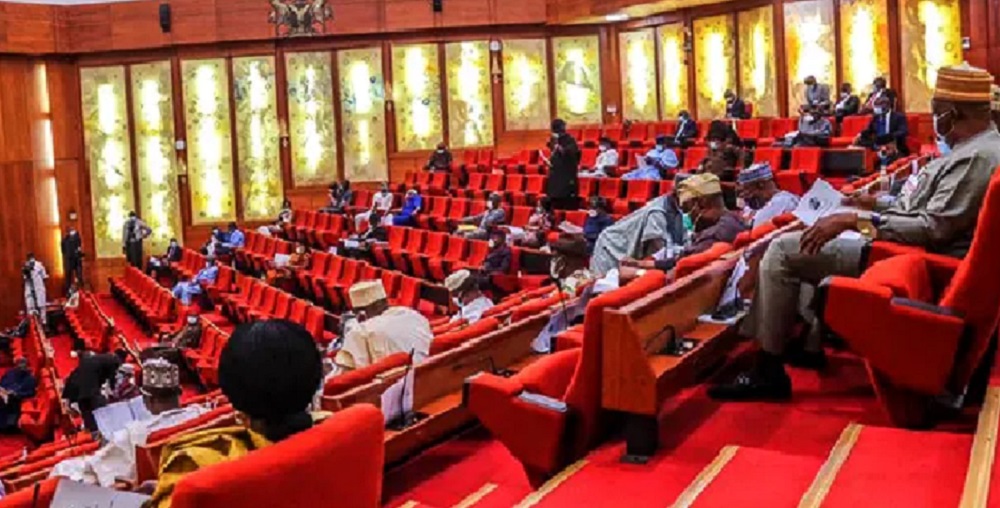
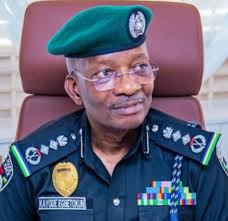
The Nigeria Police Force has broken its long silence on the N100 million paid into the personal bank account of Victor Egbetokun, son of the outgoing inspector-general of police, Kayode Egbetokun, by the Anambra State Government.

Reports had alleged that the money originated from the Anambra State Government’s security vote account.
Speaking on Channels Television programme Politics Today on Monday, the Force Public Relations Officer, Benjamin Hundeyin, said the transfer was a mistake and was promptly reversed. He said the transaction was reported by Victor himself and returned immediately.

“You could remember when he (Omoyele Sowore) said N100 million was paid into the account of the son of the IGP. I called the son of the IGP immediately to know what was going on, and he explained,” Hundeyin said.
“He said he saw N100 million in his account, and he told his accounts officer to reverse the money immediately, which he did,” he added.
Hundeyin said Victor printed his bank statement and presented it to the police to confirm that the funds had been returned.
“He printed out his statement of account. He showed me. The young man was forced to close down that account. He has written a petition to the Economic and Financial Crimes Commission for that allegation to be investigated,” the police spokesperson stated.
According to Hundeyin, the transaction was a banking error, and the funds were paid back into the state government’s account shortly after the mistake was discovered.
He stressed that there was no wrongdoing involved in the transfer and described the incident as a case of mistaken payment. Vanguard
News
Oyo abduction: Bandits vow to kill pupils if troops advance — Defence minister reveals
The Minister of Defence, Christopher Musa, has disclosed that the bandits holding abducted pupils and teachers from schools in Oyo State have threatened to kill the victims if security forces attempt a rescue operation.
Musa disclosed this in a preview of an interview with News Central shared on Wednesday ahead of its broadcast on the NC Exclusive programme on Friday.
According to the minister, the kidnappers are using the abducted children as bargaining chips to secure the release of some of their commanders currently in military custody.
“For whatever reason, they are looking for leverage because we have some of their commanders with us, and they feel taking these kids and holding them to ransom will make us release their commander.
“Now they’re threatening that if we move any closer to take action against them, they’re going to kill all the kids,” Musa said.
The minister’s comments come almost eight weeks after armed men abducted 39 pupils and seven teachers from Baptist Nursery and Primary School, Yawota, and two other schools in Esinle, Oriire Local Government Area of Oyo State, on May 15.
Speaking on measures to curb banditry and kidnapping, Musa backed the death penalty for convicted kidnappers and terrorists, arguing that tougher sanctions are necessary to deter criminality.
The minister’s position aligns with recent calls by former Edo State governor and senator representing Edo North, Adams Oshiomhole, who endorsed the proposal by Monday Okpebholo to impose the death penalty on kidnappers and bandits in the state.
“I think we should do that. There must be deterrence. The laws are soft, and that’s why people take advantage. If they know once you commit an offence, there must be punishment,” Musa said.
News
Reps Seek New Revenue Streams for South-South Development Commission
By Gloria Ikibah
The House of Representatives has commenced the process of amending the South-South Development Commission (SSDC) Establishment Act, 2025, in a move aimed at expanding the commission’s funding base and strengthening its capacity to address the region’s longstanding developmental challenges.
The House Committee on the South-South Development Commission on Wednesday held a public hearing on the proposed amendment, drawing governors, ministers, heads of government agencies, industry operators, civil society organisations and other stakeholders to examine plans for a broader statutory funding framework for the commission.
Declaring the hearing open, Speaker of the House of Representatives, Rt. Hon. Tajudeen Abbas, said the bill was designed to place the South-South Development Commission on a stronger financial footing by creating additional statutory sources of revenue similar to those available to other regional development commissions.
He reiterated the commitment of the 10th House to building what he described as a “People’s House”, where Nigerians are actively involved in shaping legislation through transparent and inclusive processes.
According to the Speaker, public hearings are more than constitutional formalities.
Abbas said: “The bill before us seeks to strengthen the financial framework of the South-South Development Commission by introducing additional statutory sources of funding to support the commission in the effective discharge of its mandate.
“They are practical expressions of participatory democracy, accountability and inclusive governance”.
Abbas noted that while the establishment of the South-South Development Commission recognised the region’s strategic importance as the hub of Nigeria’s oil and gas industry, many communities continue to grapple with environmental degradation, ecological damage, inadequate infrastructure, youth unemployment and other socio-economic challenges.
He, however, cautioned that any proposal introducing new financial obligations or altering existing statutory revenue arrangements must be subjected to careful legislative examination.
He said lawmakers must ensure that any amendment is equitable, fiscally responsible, transparent and sustainable.
The Speaker urged stakeholders to make evidence-based submissions that would help the National Assembly produce balanced legislation capable of delivering meaningful development to the South-South.
He also disclosed that the House would soon hold an “Open Week” to deepen public engagement with Parliament, improve understanding of the legislative process and strengthen citizens’ confidence in democratic institutions.
Earlier, Chairman of the House Committee on the South-South Development Commission, Rep. Julius Gbabojor Pondi, said the proposed amendment seeks to broaden the commission’s sources of revenue in order to improve its effectiveness.
Pondi explained that the bill proposes statutory contributions from extractive industries, agricultural processing companies, allocations from the Ecological Fund and a share of Value Added Tax (VAT) revenue, among other funding mechanisms.
He said that despite the South-South’s enormous contribution to Nigeria’s economy through oil and gas production, maritime activities and industrial development, the region continues to face significant developmental challenges resulting from decades of intensive resource extraction.
According to him, the commission currently operates under a relatively limited funding structure, making it difficult to fully deliver on its statutory mandate.
“The central argument underpinning the proposed amendment is the need to bring the South-South Development Commission substantially at par with other regional development commissions established by the Federal Government,” Pondi said.
He added that although the South-South generates a substantial portion of Nigeria’s national wealth, the commission requires a more sustainable funding model to meet the developmental aspirations of the people.
Pondi assured participants that the public hearing was intended to encourage open and constructive engagement rather than endorse predetermined outcomes.
He therefore pledged that all memoranda and submissions received during the exercise would be given fair and objective consideration before the committee presents its recommendations to the House for further legislative action.
News
Reps Demand Tougher Crackdown on Human Trafficking, Better Care for Rescued Nigerians
By Gloria Ikibah
The House of Representatives has called for a more robust national response to human trafficking, urging stronger collaboration among government agencies, international organisations and civil society groups to ensure that trafficked Nigerians rescued from Mali and other West African countries receive adequate support upon their return.
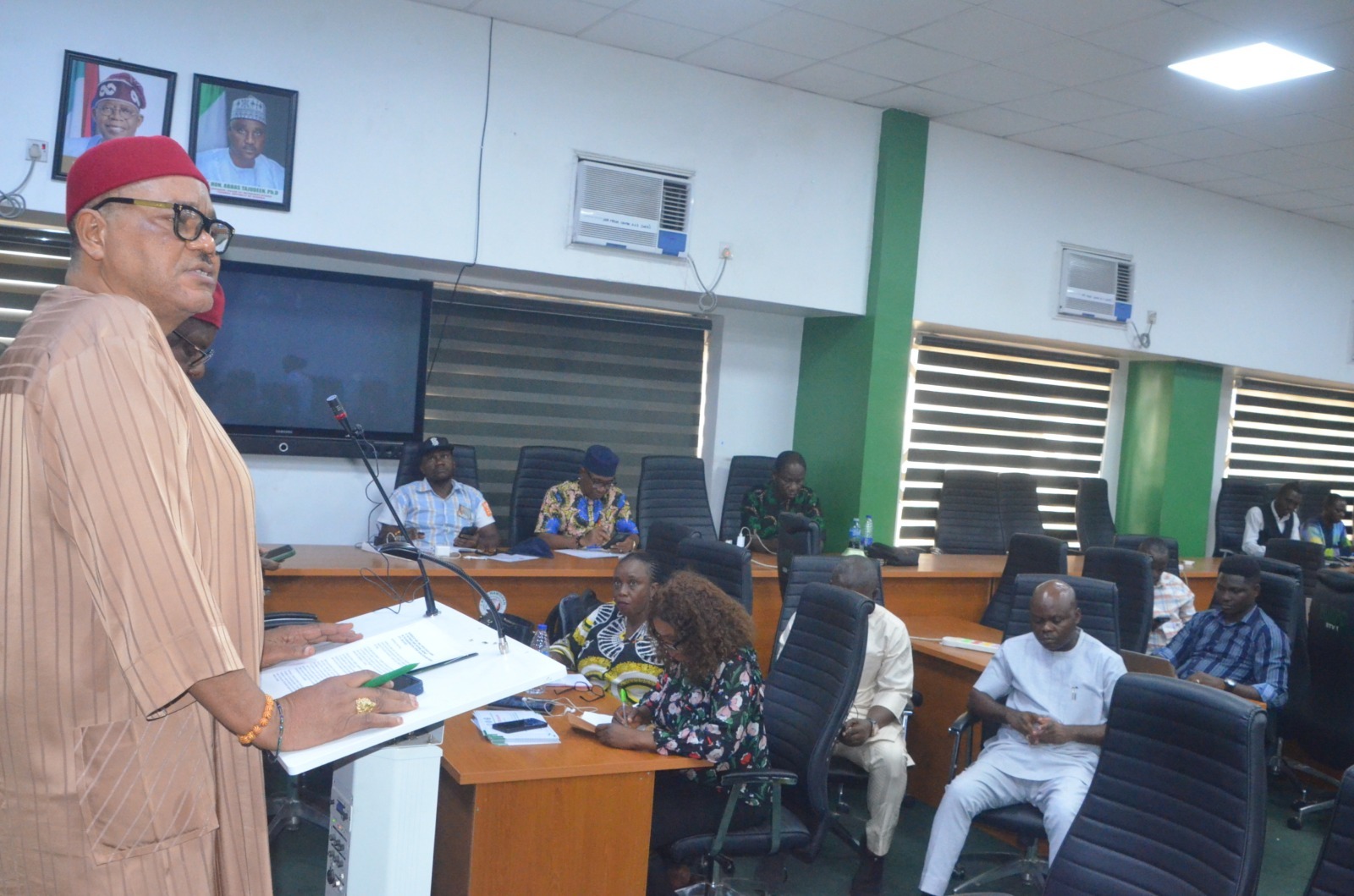
Lawmakers made the call on Wednesday during a high-level stakeholders’ technical meeting on human trafficking organised by the House Committee on Humanitarian Services in Abuja.
Chair of the committee, Rep. Tolulope Akande-Sadipe, said Nigeria must move beyond simply repatriating victims by putting in place effective rehabilitation and reintegration programmes that will help survivors rebuild their lives and reduce the risk of re-trafficking.
She expressed concern that thousands of Nigerians, particularly women, children and young people, continue to fall prey to traffickers operating across West Africa, where they are subjected to forced labour, sexual exploitation and other forms of modern slavery.
According to her, many victims suffer abuse, exploitation and deprivation before becoming stranded in foreign countries without legal protection or access to essential services.
“Behind every statistic is a human story. Trafficking is not merely a migration issue; it is a grave violation of human rights and an assault on human dignity that demands a coordinated national response,” Akande-Sadipe said.
She noted that recent interventions by the Federal Government, including the evacuation of vulnerable Nigerians from South Africa and the Memorandum of Understanding between Nigeria and Ethiopia on the transfer and management of Nigerian prisoners, underscored the value of diplomatic engagement and inter-agency cooperation in protecting citizens abroad.
Akande-Sadipe stressed that successful reintegration should go beyond returning victims to Nigeria, saying survivors require physical and mental healthcare, psychosocial support, legal assistance, education, vocational training, family reunification and sustainable economic opportunities.
She assured stakeholders that the House will continue to provide the legislative backing, policy direction and oversight required to strengthen humanitarian response systems, improve institutional coordination and ensure adequate funding for agencies responsible for protecting vulnerable Nigerians.
The lawmaker urged participants to produce practical recommendations that would strengthen Nigeria’s anti-trafficking framework in line with the internationally recognised pillars of prevention, protection, prosecution and partnerships.
Meanwhile, the National Council of Child Rights Advocates, Nigeria (NACCRAN), presented what it described as troubling findings from an 11-month fact-finding mission in Mali, alleging irregularities in the rescue and repatriation of trafficked Nigerian girls.
Presenting the organisation’s report, NACCRAN’s Operations Consultant on Diaspora Issues, Prince Adefioye Gbolagade Simeon, alleged that investigations uncovered a lack of transparency in repatriation processes, poor documentation of Nigerian migrants and abuse of rescued victims.
He further alleged that some officials at the Nigerian Embassy in Mali, working alongside certain Nigerians resident in the country, engaged in questionable practices during the rescue and repatriation of trafficked persons.
According to Simeon, some rescued girls were allegedly kept at the embassy for prolonged periods while awaiting repatriation through the International Organization for Migration (IOM), despite funds reportedly being collected to facilitate their return to Nigeria.
He also claimed that several victims reported suffering physical and emotional abuse after refusing to engage in prostitution, while many Nigerian migrants paid between 10,000 and 15,000 CFA francs for identification cards that were allegedly not recognised at border checkpoints.
Simeon accused some embassy officials and their collaborators of exploiting vulnerable Nigerians and intimidating humanitarian workers who attempted to expose the alleged misconduct.
He disclosed that petitions had previously been submitted to the Federal Ministry of Foreign Affairs, the Federal Ministry of Justice, the National Human Rights Commission, the Office of the Senate President and relevant committees of the National Assembly, but alleged that many of the issues raised had yet to be addressed.
However, he commended the House Committee on Humanitarian Services for intervening in the matter.
According to him, the committee’s engagement prompted the Federal Ministry of Foreign Affairs to deploy a fact-finding team to Mali in July 2025.
He added that, with the committee’s support, NACCRAN successfully repatriated more than 10 underage Nigerian girls between September and December 2025, with several victims handed over to the National Agency for the Prohibition of Trafficking in Persons (NAPTIP) before being reunited with their families.
Simeon called on the committee to investigate the management of repatriation activities at the Nigerian Embassy in Mali, strengthen coordination between the Ministry of Foreign Affairs, NAPTIP, security agencies and civil society organisations, and develop a comprehensive policy framework to protect Nigerian girls and women from trafficking across West Africa.
He also appealed for official authorisation and letters of introduction to enable NACCRAN to continue its humanitarian rescue operations in Mali and other West African countries.
The meeting brought together lawmakers, representatives of government ministries, development partners, diplomatic missions, security agencies, international organisations and humanitarian experts to explore stronger strategies for tackling human trafficking and improving protection for vulnerable Nigerians overseas.
-
Economy23 hours agoCBN Clarifies Status Of ₦100 Notes In Nigeria
-
News18 hours agoVideo: DAY 22 of Projects Commissioning in the FCT
-
News24 hours agoSad: Kola Olawuyi’s widow, Abimbola, is dead
-
News24 hours agoRowdy Reps Clash Over Bid to Summon Tinubu on Budget Delays
-
News23 hours agoPhotos: Abuja’s Transformation Mirrors Nigeria’s Renewed Hope Agenda, Tinubu
-
News18 hours agoOkowa at 67: Ibegbulem hails former Governor as exceptional leader, patriot
-
News18 hours agoTinubu Sends Two Key Bills to Reps, Rejects Two National Assembly Amendments
-
Sports23 hours agoWorld Cup: We’ve suffered grave injustice, Egypt coach laments after loss to Argentina