By Gloria Ikibah


A new round of political realignments has reshaped the balance within the House of Representatives after twelve lawmakers announced their defection from the Labour Party Nigeria, Peoples Democratic Party and Young Progressives Party to the All Progressives Congress and the African Democratic Congress.
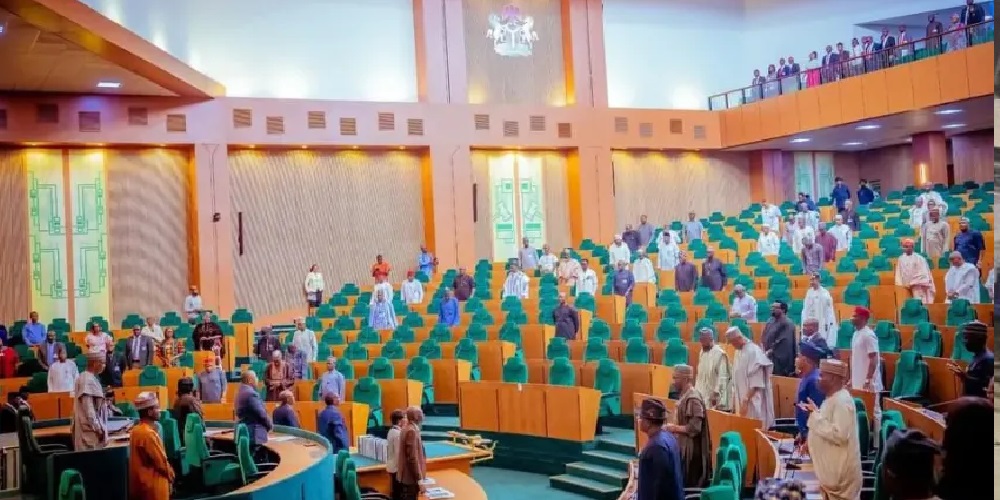
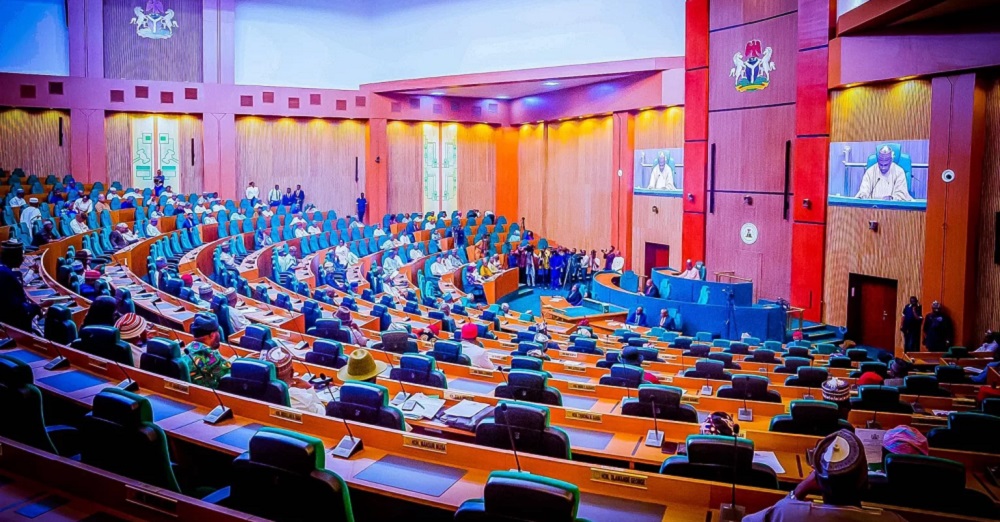
The notices of defection were formally read during plenary by the Deputy Speaker, Benjamin Okezie Kalu. 
Among those who left the Labour Party were Rep. Victor Afam Ogene, representing Ogbaru Federal Constituency of Anambra State; Rep. Peter Anekwe, who represents Anambra East and West Federal Constituency; and Rep. Lilian Obiageli, the lawmaker for Awka North and Awka South Federal Constituency. The trio joined the African Democratic Congress.
Also moving to the ADC was Rep. Peter Uzokwe, who represents Nnewi North, Nnewi South and Ekwusigo Federal Constituency in Anambra State, after leaving the Young Progressives Party. Rep. Omoruyi Osaro, the representative for Egor and Ikpoba-Okha Federal Constituency of Edo State, also left the Labour Party to join the ADC.
Several lawmakers from the Peoples Democratic Party switched to the ruling All Progressives Congress. Rep. Zakaria Nyampa, who represents Michika and Madagali Federal Constituency of Adamawa State, announced his move to the APC during the session.
Other PDP lawmakers who joined the APC include Rep. Mohammed Bargaja from Isa and Sabon Birni Federal Constituency of Sokoto State; Rep. James Barka of Gombi and Hong Federal Constituency in Adamawa State; Rep. Kobis Thimnu representing Guyuk and Shelleng Federal Constituency, also in Adamawa; Rep. Bitrus Kwamoti from Demsa, Numan and Lamurde Federal Constituency of Adamawa; and Rep. Midala Balami, the lawmaker for Askira-Uba and Hawul Federal Constituency of Borno State.
In Lagos State, Rep. Jesse Onuakalusi, who represents Oshodi-Isolo II Federal Constituency, also left the Labour Party for the All Progressives Congress.
The affected lawmakers cited persistent internal disputes and leadership challenges within their former parties as the main reason for their decisions to seek new political platforms.
Political defections have long been a feature of Nigeria’s political landscape, particularly within the National Assembly. Under the 1999 Constitution of Nigeria, lawmakers may defect to another party if there is evidence of division or crisis within their original political platform. Such movements often occur during periods of political tension or as parties reposition ahead of future electoral contests.
Naijablitznews.com reports that the latest defections could influence legislative alignments in the House and reflect ongoing shifts within Nigeria’s political parties as they prepare for the next phase of national politics.