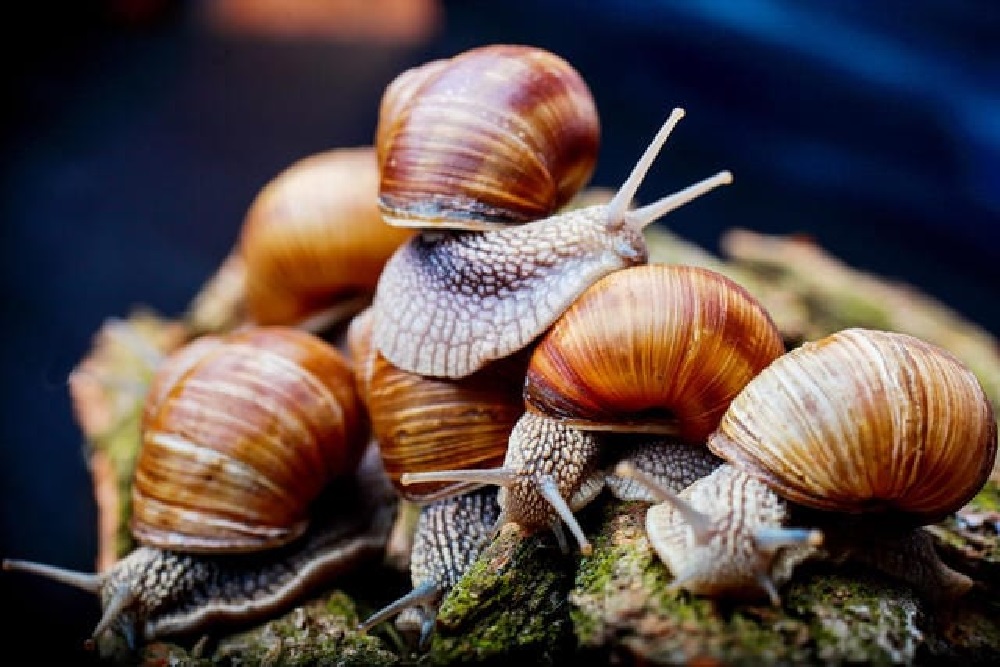
Snail farming, also known as heliciculture, is a type of agricultural practice that involves the rearing of snails for various purposes, including food, cosmetics, and research.
Snail farming has gained popularity in recent years due to its high profitability and low maintenance cost. Snail meat is a delicacy in many countries, and its demand is increasing worldwide due to its high protein and low-fat content.
The basics of snail farming involve selecting the right species of snail, setting up a suitable environment, providing a balanced diet, and managing their breeding and health. Snails are hermaphrodites, meaning they have both male and female reproductive organs. 
However, they still require a partner to mate and lay eggs. Snails can lay hundreds of eggs at once, and their eggs can take between two weeks to a month to hatch. Once hatched, the baby snails require a suitable environment to grow and thrive.
Key Takeaways
Snail farming is a profitable agricultural practice that involves rearing snails for various purposes.
The basics of snail farming involve selecting the right species of snail, setting up a suitable environment, providing a balanced diet, and managing their breeding and health.
Snails are hermaphrodites and require a partner to mate and lay eggs. They can lay hundreds of eggs at once, and their eggs can take between two weeks to a month to hatch.
Basics of Snail Farming
Snail farming, also known as heliciculture, is an agricultural practice that involves the rearing of snails for commercial purposes. The practice has gained popularity in recent years due to the high demand for snail meat, which is considered a delicacy in many parts of the world. In this section, we will discuss the basics of snail farming, including understanding snail biology and choosing the right snail species.
Understanding Snail Biology
Snails are hermaphrodites, which means that they have both male and female reproductive organs. However, they still require a mate to reproduce. Snails lay their eggs in the soil, and the eggs hatch after about two to four weeks. The young snails, known as hatchlings, take about six months to reach maturity and start reproducing.
Snails are cold-blooded animals, which means that their body temperature is regulated by the environment. They prefer temperatures between 15°C and 25°C and require a humid environment to thrive. Snails are also nocturnal animals, which means that they are active at night and rest during the day.
Choosing the Right Snail Species
There are many species of snails that can be farmed for commercial purposes. However, not all snail species are suitable for farming. The most common species of snails that are farmed for commercial purposes include Helix aspersa, Helix pomatia, and Achatina fulica.
Helix aspersa and Helix pomatia are small snails that are commonly found in Europe. They are easy to farm and reproduce quickly, making them ideal for commercial farming. Achatina fulica, on the other hand, is a large snail that is native to Africa. It is a popular species for farming due to its large size and high meat yield.
When choosing a snail species for farming, it is important to consider factors such as the climate, soil type, and market demand. Snails are sensitive to temperature and humidity, so it is important to choose a species that is well-suited to the local climate. Additionally, it is important to choose a species that is in high demand in the local market to ensure profitability.
Setting Up a Snail Farm
Starting a snail farm requires careful consideration of several factors such as location, farm type, and equipment. Here are the three main subsections that will guide you on how to set up a snail farm.
Farm Location and Environment
The location of the snail farm is crucial to the success of the enterprise. Snails require a humid and warm environment to thrive. Therefore, the ideal location for a snail farm is in areas with moderate temperatures, high humidity, and low wind speeds. The farm should also be located away from urban areas, industrial sites, and polluted environments.
Constructing Snail Habitats
The next step in setting up a snail farm is constructing snail habitats. Snails require a conducive environment that mimics their natural habitat. The snail habitats can be constructed using different materials such as wood, concrete, or plastic. The snail habitats should be well-ventilated and have a controlled temperature and humidity.
Controlling Farm Conditions
The final step in setting up a snail farm is controlling the farm conditions. Snails require specific conditions to thrive, and any deviation from these conditions can affect their growth and productivity. The farm conditions that need to be controlled include temperature, humidity, lighting, and ventilation. The farm should also be protected from predators and pests that can harm the snails.
In summary, setting up a snail farm requires careful planning and consideration of several factors such as location, snail habitats, and farm conditions. By following the above guidelines, one can set up a successful snail farm that will provide a steady source of income.
Snail Diet and Nutrition
Snails are known to be herbivorous animals that feed on a wide range of plant materials. However, not all plants are suitable for snail consumption. Therefore, it is important to provide a balanced diet that meets their nutritional requirements to ensure optimal growth and development.
Feeding Practices
In snail farming, feeding practices play a crucial role in the overall health and productivity of the snails. Snails should be fed at least once a day, preferably in the evening, as they are nocturnal animals. Overfeeding should be avoided as it can lead to obesity and other health problems. It is recommended to provide enough food that can be consumed within 24 hours.
Nutritional Requirements
Snails require a balanced diet that contains protein, carbohydrate, fat, vitamins, and minerals. Protein is essential for growth and development, while carbohydrates provide energy. Fats are also important for energy and insulation. Vitamins and minerals are required in small quantities for various metabolic functions.
According to NSFARMHOUSE, snails should be fed a diet that contains a variety of plant materials such as lettuce, cabbage, broccoli, and chard. These vegetables are rich in protein, carbohydrates, and vitamins. In addition, snails should be provided with calcium supplements to ensure proper shell growth.
It is important to note that snails have a slow digestive system, and therefore, should be fed foods that are easy to digest. Foods that are high in fiber should be avoided as they can cause digestive problems.
In summary, providing a balanced diet that meets the nutritional requirements of snails is essential for successful heliciculture. Proper feeding practices, meeting nutritional requirements, and providing essential supplements and growth factors are key elements for optimal growth and development.
Breeding Techniques
Snail breeding is an essential aspect of snail farming. The first step in breeding is to select healthy and mature snails. Snails are hermaphrodites, meaning that they have both male and female reproductive organs. However, it is still necessary to have two snails mate to produce offspring.
One technique for breeding is to place the snails in a confined space, such as a breeding pen, to encourage them to mate. Another technique is to introduce snails from different geographical locations to increase genetic diversity and improve breeding success.
Lifecycle Stages
Snails go through several stages of development, including egg, hatchling, juvenile, and adult. The eggs are laid in the soil and hatch after a few weeks. The hatchlings are very small and vulnerable, so it is crucial to provide them with a suitable environment to grow and develop.
As the snails grow, they will shed their shells and form new ones. This process is called moulting, and it is a sign of healthy growth. The juvenile stage is a critical time for snails, as they need a balanced diet and proper care to reach maturity.
Once the snails reach maturity, they can begin to reproduce and lay eggs. The lifespan of a snail can vary depending on the species and environment, but most snails can live for several years.
To ensure the success of the breeding and lifecycle management, snail farmers need to provide a suitable environment, proper nutrition, and adequate care for the snails at every stage of development.
Health and Disease Management
Snail farming, like any other livestock farming, requires proper health management to ensure the well-being of the snails and to prevent the spread of diseases.
Common Snail Diseases
Snails are susceptible to a number of diseases, including bacterial, fungal, and parasitic infections. One common disease is the “foot rot” caused by the fungus Saprolegnia ferax, which can be identified by the presence of white, cotton-like growth on the snail’s foot. Another disease is “shell rot,” which is caused by bacteria and can cause the shell to become discolored and weakened. Parasitic infections, such as lungworm and liver fluke, can also affect snails, leading to reduced growth and reproduction.
Preventative Measures
Preventative measures are crucial in managing snail diseases. One of the most important measures is to maintain a clean and hygienic environment. Regular cleaning of the snailery and removal of dead snails can help prevent the spread of diseases. Proper ventilation and temperature control can also help prevent the growth of harmful bacteria and fungi. Additionally, providing a balanced diet and ensuring that the snails have access to clean water can help boost their immune system and prevent infections.
Regular health checks are also recommended to detect any signs of disease early on. This can include visual inspections of the snails, as well as laboratory testing if necessary. In the case of an outbreak, it is important to quarantine infected snails and treat them promptly to prevent the spread of the disease to other snails.
Overall, proper health and disease management is essential for a successful snail farming operation. By following preventative measures and monitoring the health of the snails, farmers can ensure the well-being of their livestock and minimize the risk of disease outbreaks.
Harvesting and Processing
Snail farming involves critical steps of harvesting and processing. These steps are pivotal for successful production, ensuring quality and efficiency in the snail farming industry.
Harvesting Methods
Harvesting snails can be a delicate process that requires careful handling to avoid injury or death of the snails. The most common methods of harvesting snails include manual picking, hand-held nets, and traps. Manual picking involves handpicking snails from the enclosure and is suitable for small-scale snail farming. Hand-held nets are used to scoop up snails from the enclosure, while traps are used to lure snails with bait and trap them.
Cleaning and Storage
After harvesting, the snails should be cleaned to remove dirt, slime, and other debris. This can be done by washing the snails in clean water or by placing them in a container with clean water for a few hours. Snails should be stored in a cool and moist environment to prevent dehydration and death. They can be stored in a container with damp soil or moss, or in a refrigerator at a temperature of 4-8°C.
It is important to note that snails should not be starved before harvesting, as this can lead to weight loss and reduced meat quality. Also, snails should not be harvested during their hibernation period, as this can cause stress and reduce their resistance to disease.
In conclusion, harvesting and processing are critical steps in snail farming that require careful handling and attention to detail. By following the right methods of harvesting and cleaning, snail farmers can ensure high-quality production and profitability.
Understanding the Market
Before marketing snails, it is essential to understand the market. Snails are a delicacy in some parts of the world, and the demand for them is high. The market can be segmented into two categories: local and international. The local market is usually made up of restaurants, hotels, and individual consumers. On the other hand, the international market is made up of snail importers and exporters.
To tap into the local market, snail farmers can approach restaurants and hotels and offer their products. They can also sell directly to individual consumers through farmer’s markets and online platforms. To enter the international market, snail farmers need to ensure that their products meet the required standards and regulations. They can then approach snail importers and exporters who will purchase their products.
Sales Strategies
Snail farming is a profitable business, but it requires the right sales strategies to maximize profits. One strategy is to prioritize sustainability and spread awareness about eco-friendly practices. This can give the snail farming business a competitive edge and attract loyal customers.
Another strategy is to leverage social media to promote the snail farm. By creating a social media presence, snail farmers can connect with potential customers, build their brand, and increase sales. They can also offer discounts and promotions to attract new customers and retain existing ones.
In addition, snail farmers can offer value-added products such as snail meat products, snail shells, and snail slime. These products can be sold to cosmetics and pharmaceutical companies, providing an additional source of income.
Overall, understanding the market and implementing effective sales strategies can help snail farmers maximize profits and grow their business.
Sustainability and Ethics
Snail farming is a sustainable and ethical alternative to traditional livestock farming. As a low-carbon-footprint farming option, snail farming has a minimal impact on the environment and is a more ethical way to produce food.
Environmental Impact
Compared to traditional livestock farming, snail farming has a much lower environmental impact. Snails require less space, feed, and water than other livestock, making them a more sustainable option. In addition, snails produce less waste and greenhouse gases than other livestock, making them an environmentally friendly option for farmers.
Ethical Considerations
Snail farming is also more ethical than traditional livestock farming. Unlike other livestock, snails do not require antibiotics or hormones to grow, making them a healthier and more humane option. Additionally, snails are not as intelligent as other livestock, making them less likely to experience stress or anxiety in captivity.
Overall, snail farming is a sustainable and ethical alternative to traditional livestock farming. As consumers become more aware of the impact of their food choices on the environment and animal welfare, snail farming is likely to become a more popular option for farmers and consumers alike.