


Connect with us

Health

10 Health Tips To Take Against Cholera

Published

on

ADVERTISEMENT
Zoom Ad
ADVERTISEMENT
Zoom Ad

The Nigeria Centre for Disease Control and Prevention (NCDC) has issued a warning about the rising number of cholera cases across the country, particularly with the rainy season intensifying.

From January 1 to June 11, 2024, there have been 1,141 suspected and 65 confirmed cases of cholera, resulting in 30 deaths, across 30 states and 96 local government areas.

The top 10 states contributing to the cholera burden are Bayelsa, Zamfara, Abia, Cross River, Bauchi, Delta, Katsina, Imo, Nasarawa, and Lagos.

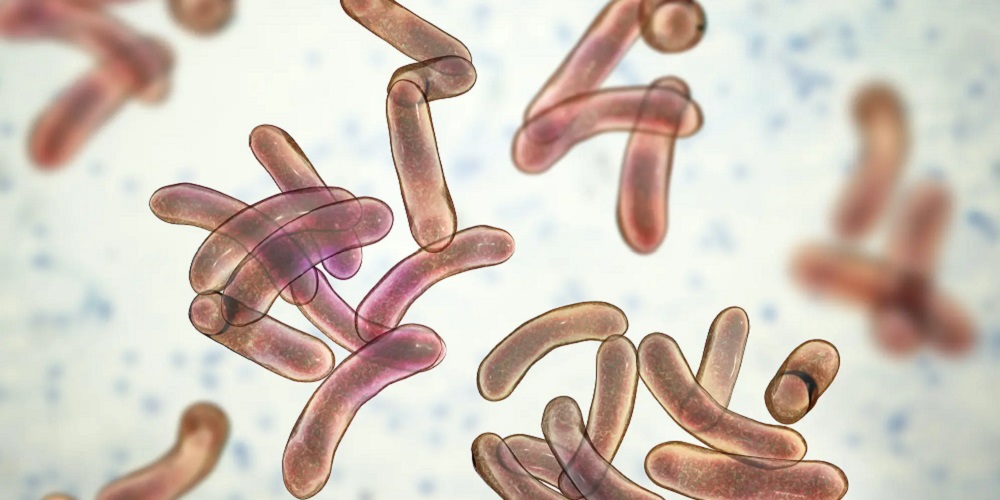
Cholera is a waterborne disease caused by ingesting contaminated food or water with Vibrio cholerae. Symptoms include acute diarrhoea, vomiting, and dehydration, which can lead to death if left untreated. However, most cases (about 80%) may show mild symptoms or no symptoms at all.

Advertisement

Advertisement

Here are some steps you can take to protect yourself and your family from cholera:

1. *Drink safe water*: Stick to bottled or boiled water. Avoid tap water, wells, or untreated water sources.

2. *Wash hands frequently*: Use soap and clean water. Pay attention to hygiene, especially before eating and after using the bathroom.

Advertisement

3. *Use proper sanitation*: Ensure proper disposal of human waste and garbage.

4. *Avoid contaminated food*: Steer clear of raw or undercooked meat, seafood, and unpeeled fruits and veggies.

5. *Get vaccinated*: Consider getting vaccinated if you’re travelling to areas prone to cholera outbreaks.

6. *Keep surroundings clean*: Regularly disinfect surfaces and clean living spaces.

Advertisement

7. *Avoid close contact with infected individuals*: Maintain a safe distance from people showing cholera symptoms.

8. *Stay informed*: Stay up-to-date on local health alerts and cholera outbreaks in your area.

9. *Store food and water safely*: Keep food and water in clean, covered containers.

10. *Seek medical attention immediately if symptoms arise*: Diarrhea, vomiting, and dehydration can lead to severe complications if left untreated.


Advertisement
Continue Reading
Advertisement
Click to comment

Warning: Undefined variable $user_ID in /home/naijuinz/public_html/wp-content/themes/zox-news/comments.php on line 49

You must be logged in to post a comment Login

Leave a Reply

Health

7 Simple Ways To Prevent Typhoid Fever In Your Home

Published

on

By

ADVERTISEMENT
Zoom Ad
ADVERTISEMENT
Zoom Ad

Typhoid fever is an infection caused by Salmonella Typhi, a bacterium that can spread when food or water becomes contaminated with human faeces. This makes everyday food handling an important part of preventing the disease.

In Nigerian homes, where food may be prepared in large quantities and stored for several hours, simple mistakes such as using contaminated water, handling cooked food with unwashed hands or allowing raw and ready-to-eat foods to come into contact can create opportunities for contamination.

Preventing typhoid therefore begins in the kitchen. Safe food preparation, proper hand hygiene, thorough cooking, clean water and appropriate food storage can significantly reduce opportunities for the bacteria to spread.

In this article, Tribune Online explores how you can safely prevent typhoid in your household.

Advertisement

Wash your hands before handling food

Hands can transfer harmful bacteria from contaminated surfaces, toilets, raw food and other sources directly to food. Wash your hands thoroughly with soap and clean running water before preparing food, before eating and after using the toilet. Hands should also be washed after changing nappies, handling rubbish, cleaning dirty surfaces and touching raw meat.

Do not handle cooked food immediately after using the toilet without washing your hands properly.

A person carrying Salmonella Typhi can contaminate food through poor hand hygiene, even when they do not appear sick. Good hand hygiene is therefore one of the most important barriers between contamination and the food eventually eaten by the household.

Advertisement

Keep raw and cooked foods separate

Cross-contamination is a major food-safety concern. Raw meat, poultry and other uncooked foods can carry harmful microorganisms. If a knife or cutting board used for raw food is then used for vegetables, fruit or cooked food without proper washing, bacteria can be transferred to food that may not receive further cooking.

Use separate utensils where possible. If the same cutting board must be used, wash it thoroughly with soap and clean water before using it for another food.

Do not place cooked food on a plate that previously held raw meat unless the plate has been properly washed. The same principle applies to knives, countertops, bowls and other kitchen equipment.

Advertisement

Use safe water for cooking and washing food

Contaminated water can introduce Salmonella Typhi into food. Use water that is known to be safe for drinking and food preparation. Where the safety of the water supply is uncertain, treat the water appropriately before using it for drinking, cooking or preparing food. This is particularly important when washing foods that will be eaten raw.

Do not assume that apparently clear water is necessarily safe. Water can contain disease-causing microorganisms without any obvious change in colour, smell or taste.

Safe water should also be used when making ice, preparing drinks and washing utensils that will come into contact with food.

Advertisement

Cook food thoroughly

Thorough cooking is an important defence against foodborne bacteria. Food should be cooked properly rather than only heated on the surface. Large pieces of meat and thick foods need enough time for heat to reach the centre. When reheating previously cooked food, heat it thoroughly before serving. Avoid repeatedly warming and cooling the same food.

The commonly cited 70°C figure should not be treated as a universal rule for every food. Safe cooking temperatures depend on the type of food and the method being used. What matters is ensuring that food reaches a temperature sufficient to destroy harmful microorganisms throughout the portion.

Wash fruits and vegetables properly

Advertisement

Fresh produce can become contaminated before it reaches the kitchen or while it is being handled at home.

Wash fruits and vegetables thoroughly with safe water before eating or cutting them, particularly when they will be consumed raw. Pay attention to produce that will be eaten without cooking, such as tomatoes, cucumbers, lettuce and fruits.

Washing does not make contaminated produce completely risk-free, but it can help remove dirt and microorganisms from the surface. Where the safety of the water is questionable, it should not be used to wash food that will be eaten raw.

Keep cooked food covered

Advertisement

Cooked food should not be left exposed unnecessarily. Cover food after preparation and keep it protected from flies, dust, dirty hands and other potential sources of contamination. This is particularly important when food is being served outdoors or in areas where flies are common.

Do not leave serving spoons inside food containers where they can be touched repeatedly. Use clean utensils for serving and avoid allowing people to handle food directly.

Store leftovers safely

Food can become unsafe when it is left at room temperature for too long.

Advertisement

After a meal, leftovers should be handled promptly and stored appropriately rather than being left uncovered for several hours. Large quantities of hot food should not simply be left to cool slowly for an extended period.

Divide large portions into smaller containers where appropriate so they can cool more efficiently before refrigeration. Keep refrigerated foods properly chilled and avoid repeatedly removing them from the refrigerator and leaving them at room temperature.

Keep kitchen surfaces and utensils clean

A clean kitchen reduces opportunities for bacteria to move from one food or surface to another.

Advertisement

Wash knives, cutting boards, plates, pots and other utensils after use, particularly after contact with raw food.

Kitchen counters should also be cleaned regularly, especially after preparing raw meat. Sponges and cloths can harbour microorganisms when they remain damp and dirty. Wash and dry reusable cleaning materials properly and replace them when they become difficult to clean.

Protect food from flies and other pests

Flies can move between contaminated waste, faeces and food.Keep food covered and dispose of household waste properly. Use covered bins and clean areas where food is prepared.

Advertisement

Windows and doors should be protected with appropriate screens where practical, particularly in areas with heavy fly activity. Do not leave cooked food uncovered on kitchen counters for long periods. Reducing contact between flies and food limits opportunities for contamination.

Continue Reading

Health

5 infections you can still get even if you use a condom during sex

Published

on

By

ADVERTISEMENT
Zoom Ad
ADVERTISEMENT
Zoom Ad

Condoms are among the most effective tools for reducing the risk of sexually transmitted infections (STIs) and preventing unintended pregnancy. Condoms are recommended because they offer strong protection against many infections spread through semen, vaginal fluids and blood.

However, condoms do not provide 100 per cent protection against every STI. This is because some infections spread through direct skin-to-skin contact and can affect areas that a condom does not cover. As a result, it is still possible to contract certain infections despite using a condom correctly.

Human papillomavirus (HPV)

HPV is the most common sexually transmitted infection globally. It spreads through intimate skin-to-skin contact and can infect areas around the genitals, anus and groin that may not be covered by a condom.

Advertisement

While many HPV infections clear on their own, some types can cause genital warts, while others increase the risk of cervical, anal, penile and throat cancers. Although condoms reduce the risk of transmission, they cannot eliminate it completely.

Genital herpes

Genital herpes is caused by the herpes simplex virus (HSV). It spreads through direct skin contact with an infected area, even when there are no visible sores. Because herpes can affect the skin around the genitals, buttocks or upper thighs, the virus can still spread from areas not covered by a condom. Appropriate condom use lowers the risk but does not completely prevent transmission.

Syphilis

Advertisement

Syphilis is a bacterial infection that often begins with a painless sore. The sore can appear on the penis, vagina, anus, mouth or nearby skin. If the sore is outside the area protected by a condom, the infection can still spread through direct contact during sex.

Early diagnosis and treatment are important because untreated syphilis can lead to serious health complications.

Mpox

Although mpox is not classified as a traditional STI, it can spread during sexual activity through prolonged skin-to-skin contact, contact with body fluids or exposure to infectious skin lesions.

Advertisement

Condoms cannot protect areas such as the thighs, buttocks or other parts of the body where mpox lesions may be present.

Avoiding intimate contact with anyone who has symptoms remains an important preventive measure.

Molluscum contagiosum

Molluscum contagiosum is a viral skin infection that can spread through direct skin contact, including sexual contact in adults. It causes small, smooth, raised bumps that may appear on or around the genitals.

Advertisement

Since these bumps can develop outside the area covered by a condom, transmission is still possible despite condom use.

Continue Reading

Health

Lassa fever: Nigeria records 37 new cases, eight deaths in two weeks

Published

on

By

ADVERTISEMENT
Zoom Ad
ADVERTISEMENT
Zoom Ad

Nigeria recorded 37 new confirmed cases and eight deaths from Lassa fever in epidemiological weeks 29 and 30, taking the cumulative number of confirmed cases in 2026 to 1,000 and fatalities to 237 across 23 States and 116 Local Government Areas (LGAs).

The figures, covering July 13 to 26, 2026, also show a rise in the cumulative case fatality rate (CFR) from 23.5 percent at the end of week 29 to 23.7 percent in week 30, both higher than the corresponding figures recorded in 2025.

In epidemiological week 29, covering July 13 to 19, Nigeria recorded 20 new confirmed cases and two deaths, bringing the cumulative number of confirmed cases to 983 and fatalities to 231.

The CFR stood at 23.5 percent, compared with 18.9 percent recorded during the corresponding period in 2025.

Advertisement

By the end of week 29, the outbreak had spread to 23 States and 114 LGAs, with five States of Ondo, Bauchi, Taraba, Edo and Benue accounting for 86 percent of all confirmed cases.

Ondo recorded the highest proportion of cases at 32 percent, followed by Bauchi at 25 percent, Taraba at 13 percent, Edo at 10 percent and Benue at six percent.

The remaining 14 percent of cases were distributed across 18 other States.

The 21–30 age group remained the most affected, with the median age of confirmed cases standing at 30 years.

Advertisement

Cases were recorded among people aged between one and 93 years, while the male-to-female ratio was 1:0.9.

No new infection among healthcare workers was recorded during week 29.

The situation recorded a further increase in week 30, covering July 20 to 26, when 17 new confirmed cases and six deaths were reported.

The additional cases and deaths pushed the cumulative figures to 1,000 confirmed cases and 237 deaths, while the number of affected LGAs increased from 114 to 116.

Advertisement

The cumulative CFR also rose to 23.7 percent, compared with 18.8 percent during the corresponding period in 2025.

The geographical distribution of the outbreak, as indicated by the report, remained unchanged, with Ondo, Bauchi, Taraba, Edo and Benue still accounting for 86 percent of confirmed cases, at 32 percent, 25 percent, 13 percent, 10 percent and six percent respectively.

Young adults aged 21 to 30 years continued to constitute the most affected age group, with the median age remaining at 30 years.

Unlike the preceding week, the report showed that one new infection among a healthcare worker was recorded in week 30, highlighting the continuing risk of occupational exposure to the disease.

Advertisement

NCDC assured that the National Lassa Fever multisectoral, multi-partner Technical Working Group will continue to coordinate the national response, including surveillance, containment, environmental sanitation campaigns and healthcare logistics.

The agency urged preventive measures aimed at reducing exposure to Mastomys rodents, the primary reservoir of Lassa fever, as well as preventing human-to-human transmission.

Residents were advised to maintain clean surroundings, dispose of refuse properly, eliminate conditions that attract rodents and store food in rodent-proof containers.

They were also advised to seal openings through which rodents can enter homes and avoid handling or consuming wild rodents.

Advertisement

According to the agency, for suspected cases, early detection, immediate isolation and appropriate use of personal protective equipment by healthcare workers and caregivers remain critical to limiting further transmission.

Continue Reading

Trending

Copyright © 2024 Naija Blitz News