Connect with us

Economy

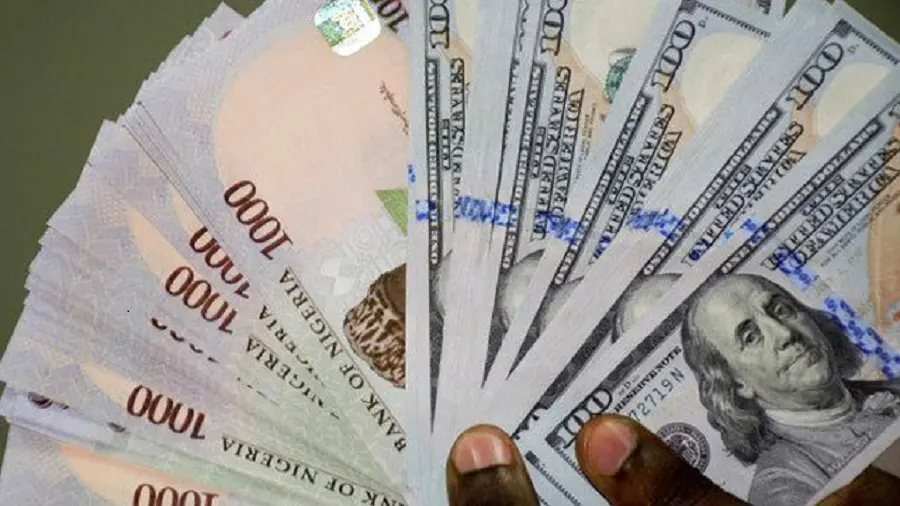
Naira Redesign Policy That Put Nigerians In Hardship Fails To Achieve Aim, 93% Of Currency Now Out Of Banks

Published

on

ADVERTISEMENT
Zoom Ad
ADVERTISEMENT
Zoom Ad

The existing notes were to remain valid until January 31, 2023. This move sparked widespread debate and discussion across the country.


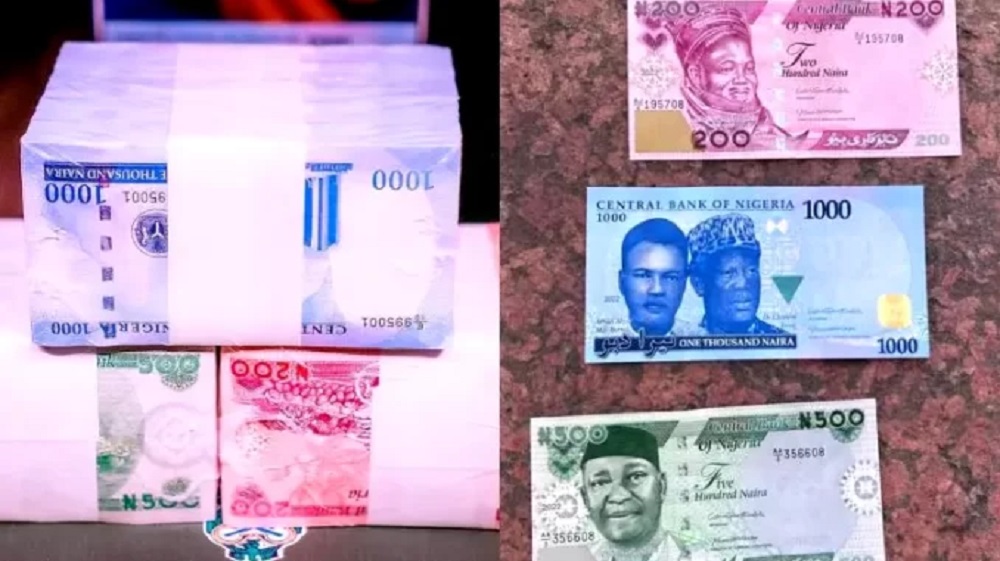
In 2022, a controversy erupted in Nigeria after the Central Bank of Nigeria (CBN), under the leadership of then-Governor Godwin Emefiele, announced plans to redesign and introduce new versions of three denominations of banknotes: N200, N500, and N1000.

The existing notes were to remain valid until January 31, 2023. This move sparked widespread debate and discussion across the country.

According to Emefiele, the decision was reached due to persisting concerns around the amount of naira notes outside the banking system.

Advertisement

Over one year after, check by SaharaReporters shows that the CBN policy which was reported to have gulped over N74 billion has failed.

Already, there are lamentations by Point of Sale machine vendors that they are short on cash.

Checks show that in January 2024, the currency in circulation stood at 3.65 million while the currency outside of banks stood at 3.28 million, representing 89%.

In February, the currency in circulation stood at 3.69 million naira notes, while the currency outside the bank stood at 3.41 million notes representing 92%.

Advertisement

As of March, the notes in circulation were 3.86 million while the ones outside banks stood at 3.62 million, representing 93%.

In April 2024, the currency in circulation stood at 3.92 million notes. Out of this amount, 3.60 million were outside the banks. The figure for May stood at 3.96 million notes while 3.7 million notes out of them were outside the banking system, representing 93.4%.

As of October 2022, when the CBN announced the policy on naira redesign, the currency in circulation stood at 3.2 million notes while 2.8 million notes were outside the banking system, representing 84%.

As of November 2022, the currency in circulation stood at 3.1 million notes while those outside the banking systems were 2.6 million notes, according CBN data. This represents 83%.

Advertisement

In October 2022, 84% of the naira currency was outside the banking system, compared to 93.4% in April 2024, indicating an increase of 9.4 percentage points in the proportion of currency in circulation outside of commercial banks’ vaults over the 18-month period.
Continue Reading
Advertisement
Click to comment

Warning: Undefined variable $user_ID in /home/naijuinz/public_html/wp-content/themes/zox-news/comments.php on line 49

You must be logged in to post a comment Login

Leave a Reply

Economy

Check out Dollar to Naira exchange rate today, August 28, 2026

Published

on

ADVERTISEMENT
Zoom Ad
ADVERTISEMENT
Zoom Ad

The Nigerian naira strengthened further against the United States dollar at the official foreign exchange market, reaching a five-month high of about ₦1,338.59 per dollar on Thursday, August 27, 2026.

The latest movement places the naira among the stronger-performing currencies in Nigeria’s foreign exchange market as improved dollar liquidity and rising external reserves continue to support the local currency.

For Friday, August 28, the latest available market data puts the dollar at around ₦1,341.66 per dollar, although the NFEM closing rate for the day will depend on trading activity and may differ from live indicative rates.

Recent official-market data had shown the naira at ₦1,343.59 per dollar on Wednesday, August 26, before strengthening further on Thursday. The improvement has been linked to sustained dollar liquidity and stronger external buffers.

Advertisement

In the parallel market, the dollar remained substantially higher than the official rate. AbokiFX-related market reports showed the greenback quoted around ₦1,400 to buy and ₦1,410 to sell on Thursday, August 27.

This means Nigerians looking to buy $1 in the parallel market would need about ₦1,410, while those selling $1 could receive around ₦1,400, depending on the dealer and location.

The gap between the official and parallel markets remains significant. Based on the latest indicative official rate of about ₦1,341.66 and a parallel-market selling rate of ₦1,410, the difference is approximately ₦68 per dollar.

The naira’s recent gains have coincided with a sharp improvement in Nigeria’s foreign-exchange reserves. It was reported that external reserves had risen to about $53.34 billion, an 18-year high, while improved dollar liquidity has helped ease pressure on the local currency.

Advertisement

For importers, travellers, students paying overseas tuition and businesses with dollar obligations, the exchange rate remains an important factor in determining the naira cost of foreign transactions.

However, the actual rate available to customers may differ from the NFEM benchmark or parallel-market quotation. Banks, Bureau de Change operators and other authorised dealers may apply different rates depending on the transaction, amount, location and prevailing market conditions.

Parallel-market rates are unofficial and can change several times during the day. The Central Bank of Nigeria does not recognise the parallel market as an official foreign-exchange market.

As of the morning of August 28, 2026, the dollar is therefore trading around ₦1,341.66 on the latest indicative market data, while parallel-market quotations remain around ₦1,400–₦1,410 per dollar.

Advertisement
Continue Reading

Economy

91.4% of personal pension accounts remain unfunded – PenCom ​‌‍​‌‍⁠⁠‌‍​​‍‍​

Published

on

By

ADVERTISEMENT
Zoom Ad
ADVERTISEMENT
Zoom Ad

The Personal Pension Plan recorded a total of 219,316 registrations from inception to the first quarter of 2026, with only 18,811 accounts funded.

This is according to the first-quarter pension industry data released by the National Pension Commission.

The data showed that funded Retirement Savings Accounts accounted for 8.6 per cent of total PPP registrations, while 200,505 accounts, representing 91.4 per cent, remained unfunded.

The figures highlighted the significant challenge facing the PPP, particularly the need to convert registrations into active accounts with sustained pension contributions.

Advertisement

The data further showed that total contributions under the PPP stood at N1.66 billion from inception to the first quarter of 2026.

It also indicated a significant increase in quarterly contributions, with contributions rising from N103.30 million in the fourth quarter of 2025 to N147.16 million in the first quarter of 2026.

This represented an increase of N43.86 million or 42.46 per cent during the period.

The Personal Pension Plan is designed to enable self-employed persons and workers in the informal sector to participate in the Contributory Pension Scheme and build retirement savings.

Advertisement

NAN

Continue Reading

Economy

Again, NNPC jerks up price of fuel

Published

on

By

ADVERTISEMENT
Zoom Ad
ADVERTISEMENT
Zoom Ad

The Nigerian National Petroleum Company Limited (NNPCL) has increased the price of petrol at its retail stations in Abuja and nearby areas from ₦1,250 to ₦1,270 per litre.

The Genius Media Nigeria understands that the latest adjustment means customers buying Premium Motor Spirit (PMS) from NNPCL stations now pay ₦20 more for each litre than they did previously.

According to report, retailers such as MRS, Geregu, Ranoil, Emedab and Mobil are selling below the new NNPCL price.

MRS stations adjusted their price upward by ₦20, but their petrol was still being sold at about ₦1,230 per litre. This leaves a ₦40 difference between the MRS price and the new NNPCL rate.

Advertisement

However, not all filling stations are selling below NNPCL.

Some outlets, including Empire and AA Rano, were reported to be charging between ₦1,275 and ₦1,299 per litre, putting their prices above the state-owned company’s latest rate.

The latest NNPCL price also comes as international crude oil prices have been moving lower.

Brent crude was trading around $88.80 per barrel, while West Texas Intermediate (WTI) stood at about $81.86 per barrel at the time of the report.

Advertisement

In other news, the leadership of the Nigerian National Petroleum Company Limited (NNPC Ltd.) and the Nigerian Upstream Petroleum Regulatory Commission (NUPRC) have been commended for “remarkable progress” in restoring confidence, increasing production and attracting fresh investment into Nigeria’s oil and gas sector.

The Citizens Forum for Energy Accountability and Development (CFEAD) said the recent achievements announced by NNPC Group Chief Executive Officer, Bayo Ojulari, and NUPRC Commission Chief Executive, Oritsemeyiwa Eyesan, demonstrated that sustained institutional reforms and stronger operational discipline could reposition the petroleum industry as a major driver of economic growth.

Continue Reading

Trending

Copyright © 2024 Naija Blitz News