Connect with us

News

Enugu private school owners lament heavy taxation

Published

on

ADVERTISEMENT
Zoom Ad
ADVERTISEMENT
Zoom Ad

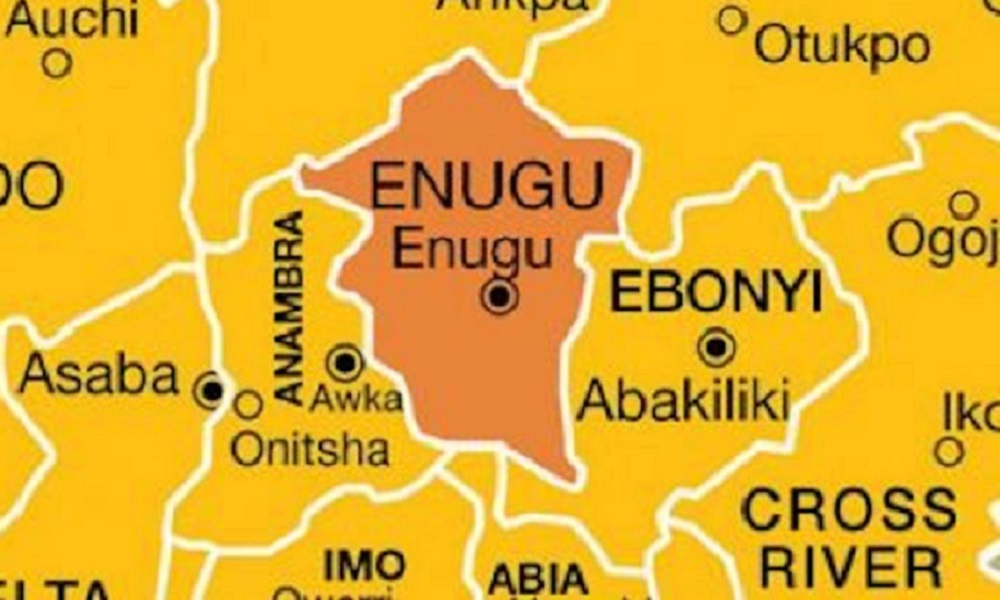
Private school owners in Enugu State have raised the alarm over the shutting down of schools over flimsy excuses and exorbitant taxes and levies the government imposed on private schools.


Crying out for help, the proprietors said that the government’s new tax regime on private schools, which need to be helped to continue to provide quality education, is suffocating them with over 2,000 per cent increase.

They said that the fees, which range from N450,000 to N2.2 million depending on the school’s size, from the usual N30,000 they paid during the last administration’s tenure are crippling many institutions, leading to shutdowns.

Chairman of the Association of Private School Owners of Nigeria, Emeka Grahams, who addressed journalists on Sunday, expressed frustration that pleas to the government to reconsider have fallen on deaf ears.

Advertisement

The Enugu State Ministry of Education’s drastic 2,500 per cent increase in annual renewal fees, from N30,000 to a whopping N450,000 to N2.2 million, has left many schools struggling to stay afloat. This policy has been likened to “manhandling” school owners, creating an unfavourable environment.

It’s worth noting that the Enugu State government has been working to enhance education standards, with initiatives like the Smart School Project, aiming to integrate technology and improved infrastructure. However, the timing and implementation of these policies seem to be causing undue hardship for private schools.

Last week the government announced that it has closed down some schools which it tagged as operating from poor and quality infrastructures.

Grahams, however, lamented that those schools, and many others, are now facing uncertainty due to the government’s taxation policies, creating chaos in the education industry in the state.

Advertisement

He noted that why the government cannot provide jobs for its teaming youths, those who are engaged as teachers in private schools are now without work.

He enthused, “The issue is that private school owners in Enugu State are being manhandled by a policy. The government, through the Ministry of Education, came up with a policy of high taxation far beyond what we used to have before the advent of this administration.

“It used to be N30,000 annual renewal, but now we have various taxes that are broken into stages. Before now, it used to be one and it covers everything but now you have early child tax, one for Junior Secondary School, one for Senior Secondary School and other categories.

“The worst of it is that the provisional approval fee that schools used to pay no longer applies. They say you have to register afresh. Let me just say that if you are running early child – that is nursery, primary, junior and senior secondary schools, you are expected to pay close to N2.2 million.”

Advertisement

He averred that comparatively, other states like Lagos, Rivers and Abuja don’t pay that much, an indication that the government wants to run them out of business and at the same time rob parents and children the opportunity offered by the private schools, knowing full well that government alone cannot cater for the educational needs of the citizenry.

Grahams pointed out that efforts they have made for a change of heart have not yielded any dividends, since the government is going about closing schools that fail to pay the taxes and only reopen the same when they pay.

He added, “There was a time they would listen to us, but this government is not listening to us. Schools are being shut for not paying the fees and once they pay, they are reopened. Their interest is not in the quality or standard of education, but money.”

Speaking at the occasion, a member of Enugu1 State Education Stakeholders and President of the Proprietors Association of Private Schools, South-East zone, Dr Ejiofor Godwin, pointed out that “these heavy taxes do nothing to improve the quality of education, but serve only to further burden private school owners.”

Advertisement

Godwin noted that private schools contribute significantly to the state’s internally generated revenue, adding that they should be encouraged and assisted to grow instead of stifling them.

He stated, “For clearance of doubt below is the analysis of the bills each school is expected to pay:

“A. Senior Secondary – application form – N200,000; two years provisional approval – N300,000; application for license – N200,000;

yearly renewal fee – N200,000. In total, you pay N900,000 for running senior secondary only.

Advertisement

“B. Complete Basic Education – Nursery 1 to JSS3: application form – N500,000; two years provisional approval – N250,000; licence application – N250,000; yearly renewal fee – N300,000 – total N1.3 million to run complete basic education.

“By implication, to run nursery 1 to SS3, the school should pay N2.2 million to the government that provides nothing, not even public school buses for school pupils.

He added, “For category C, intermediate basic – Nursery 1 – Primary 6: the government charges – application form – N200,000; two years provisional approval – N200,00; application for license – N200,000 and yearly renewal fee – N200,000 totalling N800,000.

“Category D. Early Childhood – Nursery 1 – Primary 3: application form – N100,000; two years provisional approval – N100,000; licence application – N100,000 and yearly renewal fee – N150,000 totalling N450,000.”

Advertisement

“The implication is that if these bills are allowed to fly, school fees in private schools will astronomically increase because proprietors will pay teachers’ salaries, maintain their facilities and pay other government taxes apart from this. Parents who cannot cope with the increment of school fees will withdraw their children to nowhere because the public schools are substandard and the smart schools are not ready and even when they are ready, cannot admit all the children coming out from private schools.”

He explained that the private school proprietors had demanded that the government should give at least 3 years for them to improve on structures and facilities in their schools, but that pleas were rebuffed.

Godwin said they have also requested financial and material support to school owners and the removal of equal fees payable at the ministry, adding that fees should be charged according to the location, financial and numerical strength of each school.

Meanwhile, counsel to the private school owners, Mr Ogbuka JMCC, said that under Nigerian law, private school owners are not to pay tax because schools fall under Section 18 of the Constitution, which stipulates Compulsory Free Education, but laments that the government of Enugu State in its quest for revenue generation is violating the constitutional provisions.

Advertisement

He maintains that “there is no levy or tax for private schools. Anything contrary is nullity.”
Continue Reading
Advertisement
Click to comment

Warning: Undefined variable $user_ID in /home/naijuinz/public_html/wp-content/themes/zox-news/comments.php on line 49

You must be logged in to post a comment Login

Leave a Reply

News

Healing at Home: NOHSONIC Brings World-Class Physiotherapy Within Nigerians’ Reach

Published

on

ADVERTISEMENT
Zoom Ad
ADVERTISEMENT
Zoom Ad

By Gloria Ikibah

For millions of Nigerians living with chronic pain, stroke complications, spinal injuries and other disabilities, rehabilitation remains one of the most overlooked aspects of healthcare.

Many patients travel hundreds of kilometres in search of physiotherapy services, while those who can afford it often spend huge sums seeking treatment abroad. For countless others, the cost of rehabilitation, shortage of specialised equipment and limited access to quality care mean they simply learn to live with pain and disability.

The World Health Organisation (WHO) estimates that one in every three people globally will require rehabilitation at some point in their lives, making physiotherapy and rehabilitation one of the fastest-growing healthcare needs worldwide. WHO’s Rehabilitation 2030 initiative has repeatedly warned that demand for rehabilitation services is increasing because of ageing populations, road traffic crashes, stroke, cancer, diabetes and other non-communicable diseases, while access to services remains grossly inadequate in many low and middle-income countries. (World Health Organization)
Nigeria mirrors this reality.

Advertisement

A recent national assessment conducted under the WHO Rehabilitation 2030 programme found a significant gap in rehabilitation services across the country, prompting the Federal Government to begin integrating rehabilitation into primary healthcare while expanding services nationwide. (MRTB)

Against this backdrop, the official opening of NOHSONIC Physiotherapy Clinic in Abuja is being seen as another important step towards improving access to modern rehabilitation services and reducing the growing dependence on medical tourism.

Located in the Federal Capital Territory, the facility is equipped with advanced rehabilitation technology designed to manage chronic pain, neurological conditions, orthopaedic injuries, sports injuries, stroke recovery, cardiac rehabilitation and several other conditions requiring specialised physiotherapy.

Leading guests at the commissioning was the Emir of Argungu, Alhaji Samaila Mera, who described the facility as a welcome development for Nigerians who previously had to seek similar treatment overseas.

Advertisement

After touring the centre, the traditional ruler said he was impressed by what he saw.

“Alhamdulillah, glory be to God. I’ve been around the clinic and what I saw is really pleasing. Most of what we see and experience when we go outside for treatments like this is here now and I believe this will go a long way in providing cheaper and warmer care to Nigerians from all walks of life.

“The proprietor mentioned he’s doing this with the intention of supporting and helping every Nigerian get access to recover from a stroke, pain or whatever they suffer from as easily and cheaply as possible, and the care they provide here is one that is very difficult to access outside.

“Some people cannot even walk, some cannot stand. It takes a long time to get permission to travel from embassies and also from the airlines. Having a centre like this in Abuja and hopefully closer to our states is a wonderful opportunity for all Nigerians.

Advertisement

“I’m really happy with what I saw and I believe we are turning the page for all Nigerians to receive the care we need within the shortest time and at the cheapest possible rates.”

Registrar of the Medical Rehabilitation Therapists Registration Board of Nigeria, Prof. Ahmad Alkali, said the facility complements ongoing government efforts to expand rehabilitation services across the country.

He revealed that Nigeria had recently completed a national assessment under the WHO Rehabilitation 2030 programme, which exposed a huge shortfall in rehabilitation services.

“Nigeria has just completed the process of situation assessment and what was found was that there’s a very huge gap in service delivery.

Advertisement

“The government is doing its best to expand the services by increasing the number of secondary and tertiary hospitals and also implementing the integration of rehabilitation into primary healthcare, which is going to help identify people at the grassroots who need those services and refer them to secondary and tertiary facilities.

“But because the number is huge, the public facilities alone will not be able to cater for everyone. Therefore, this centre is going to complement what government has done in providing services when people come to the secondary and tertiary levels of care. So this is a very wonderful development.

“We appreciate what has been done because what has been invested here, if invested in other businesses, could probably have produced double or triple the profit. But investing in health means the person has humanity in mind and that’s very commendable.”

For the founder and Managing Director of NOHSONIC Physiotherapy Clinic, Dr Kingsley Nwankwo, the project represents years of planning driven by one objective—to ensure Nigerians receive world-class rehabilitation without leaving the country.

Advertisement

He said the inspiration came from his daily encounters with people living with disabilities.

“NOHSONIC is something that I’m passionate about. It’s a dream that I’ve lived for years and to the glory of God it’s coming to fruition now.

“Every day of my life I meet people with one disability or another and it gives us concern—not because of lack of expertise, but because of inadequate equipment and limited options for improving recovery.

“We thought, why not bring this equipment into Nigeria? We can rehabilitate patients comfortably here.

Advertisement

“People suffer spinal injuries, disc problems and different kinds of pain. Instead of losing billions annually through medical tourism for services that can be provided here, let’s bring them home.”

He also expressed concern over the migration of Nigerian physiotherapists abroad.

“Nigeria is producing lots of physiotherapists. Most of them are leaving the country probably because of inadequate equipment, and we’re almost running short of manpower.

“If we have this equipment here, we’re going to attract more colleagues to stay back, learn these technologies, improve their practice and ultimately give the best care to patients.

Advertisement

“The most important thing to us is patients, and NOHSONIC is open to every class of patient.”

According to him, the centre houses close to 100 specialised machines, including advanced laser therapy systems, electronic tilt tables, electric traction beds, combination therapy units and shortwave diathermy equipment for managing chronic pain and neurological rehabilitation.

He said affordability remained central to the clinic’s philosophy.

“NOHSONIC is open to every class of Nigerians and even non-Nigerians. We are affordable.

Advertisement

“Every treatment room is independently equipped to serve its purpose. We are well prepared and open to receive patients.”

Nwankwo described the investment as part of the organisation’s broader commitment to corporate social responsibility.

“The establishment of this physiotherapy clinic is anchored on our firm belief in Corporate Social Responsibility as a necessary obligation. It demonstrates our conviction that privileged individuals in society must begin to give back through healthcare.

“It stands as a reminder that sustainable national development begins with healthy citizens and that every investment in preventive healthcare is an investment in human capital, productivity and the future of our society.”

Advertisement

He disclosed that the clinic would support vulnerable groups through discounted treatment for its first 50 registered patients, periodic wellness outreach for senior citizens and youth injury-prevention programmes.

“These are reflections of NOHSONIC’s broader social mission, which goes beyond making profits. It demonstrates our people-centred philosophy, our care for humanity and our determination to discourage medical tourism that drains between one and two billion dollars in foreign exchange annually.

“Today’s opening stands as a reminder that sustainable national development begins with healthy citizens, and that every investment in preventive healthcare is an investment in human capital, productivity and the future of our society.”

Healthcare experts say facilities such as NOHSONIC could help close the country’s rehabilitation gap by complementing public health services, retaining skilled professionals and reducing the number of Nigerians travelling abroad for specialised physiotherapy.

Advertisement

Beyond treating patients, the centre is expected to generate employment, support specialist training and strengthen public awareness of rehabilitation as an essential component of healthcare.

As Nigeria continues implementing the WHO Rehabilitation 2030 agenda, investments in modern physiotherapy facilities are increasingly being viewed not merely as private healthcare ventures, but as important contributions towards building a more resilient health system capable of restoring mobility, independence and quality of life for millions of Nigerians. (World Health Organization)

Continue Reading

News

Wike directs upgrade of Life Camp Recreation Park After City Gate Success(Photos)

Published

on

ADVERTISEMENT
Zoom Ad
ADVERTISEMENT
Zoom Ad

The Minister of the Federal Capital Territory (FCT), Mr Nyesom Wike, has announced plans to transform the abandoned recreational garden at the Life Camp Roundabout into a modern leisure and sporting facility, as part of the FCT Administration’s broader drive to expand recreational infrastructure for Abuja residents.

The move follows the successful remodelling of the Abuja City Gate, which has become a major attraction since its commissioning during activities marking President Bola Tinubu’s third anniversary in office.

The project earned the FCT Administration an award and commendation from the Office of the First Lady, Senator Oluremi Tinubu, under the Renewed Hope Initiative’s Green Nigeria Challenge.

Speaking after inspecting the Life Camp garden on Monday, Wike said the recognition from the First Lady had further motivated the administration to invest in more green and recreational spaces across the nation’s capital.

“Today, by the grace of God, the First Lady of the Federal Republic of Nigeria, Senator Oluremi Tinubu, gave the Federal Capital Territory Administration an award and commendation over our contribution to the Renewed Hope Initiative’s Green Nigeria Challenge and how we have been able to turn around the City Gate into recreation centres and make the environment greener,” he said.

The minister noted that the transformation of the Abuja City Gate had demonstrated the value of investing in public spaces.

According to the Minister, “It was the initiative of the First Lady to make sure that the City Gate looks like what city gates look like all over the world. Since it was commissioned, it has become an attraction centre where people visit day and night. This award will spur us and motivate us to continue implementing the ideals of the Renewed Hope Initiative,”

He described the condition of the Life Camp recreation park as unfortunate, lamenting that successive administrations had neglected a facility with enormous potential.

“It is unfortunate that governments have come and gone without thinking about this place. I must commend the First Lady for reminding us of the need to preserve areas where people can leave their homes and communities to relax,” he said.

According to him, the administration intends to restore the park with modern facilities that will cater for the recreational and sporting needs of residents.

“What we intend to do here is to bring it back and provide modern facilities so that people living within this area can come here for their daily sporting activities, recreation, relaxation, take photographs and enjoy themselves, just as it is done in advanced countries,” he said.

Wike disclosed that he had directed the Federal Capital Development Administration (FCDA) to immediately begin the process of redesigning the facility, stressing that the project would receive emergency attention.

Advertisement

“I have directed the relevant officials of the FCDA to move very quickly and present us with what is most befitting for a city like Abuja. We are going to treat this as an emergency. It cannot go through the normal bureaucratic process because our people deserve better,” he said.

The minister also revealed plans to introduce an annual New Year fireworks display at the Abuja City Gate beginning this year, describing it as part of efforts to align Abuja with global capital cities.

“Just like it is done all over the world, where cities usher in the New Year with fireworks, that is what we intend to do this year at the City Gate. By the grace of God, through the Renewed Hope Initiative, we will, for the first time in this country, celebrate the New Year in that manner,” he said.

Expressing satisfaction with the natural landscape of the Life Camp site, Wike said the administration would engage reputable firms and compare multiple proposals before awarding the contract to ensure the best outcome.

Advertisement

“Look at the topography; see what we have been missing. Citizens want a good life, and they are not asking for too much. The administration of President Bola Tinubu is determined to restore hope to our people. We will invite the best companies and also obtain alternative designs so we can compare and choose the very best. We want something that meets global standards, and we want it delivered as quickly as possible,” the minister said.

The planned redevelopment forms part of the FCT Administration’s ongoing efforts to improve the quality of life in Abuja by expanding access to green spaces, leisure parks and recreational facilities for residents.

Continue Reading

News

INEC unveils Final list of candidates for 2027 elections, Jonathan, Nwoko, Goje, others missing

Published

on

ADVERTISEMENT
Zoom Ad
ADVERTISEMENT
Zoom Ad

The Independent National Electoral Commission (INEC) on Saturday released the final list of candidates for the 2027 general elections, bringing months of political uncertainty to an end.Several prominent politicians were absent from the list, including former President Goodluck Jonathan, whom the Tanimu Turaki-led faction of the Peoples Democratic Party (PDP) had claimed as its presidential candidate.

Also missing were the senator representing Delta North, Ned Nwoko; former Ogun State Governor Gbenga Daniel (Ogun East); former Gombe State Governor Danjuma Goje (Gombe Central); and the senator representing Kebbi South, Garba Maidoki.

The development comes two months after Senate President Godswill Akpabio assured lawmakers who lost their return tickets during the All Progressives Congress (APC) primaries that the party leadership was working to resolve grievances arising from the exercise.

Although the APC reinstated six serving senators after reviewing petitions submitted to its Primary Election Appeal Committee, several influential politicians who had hoped to benefit from the review remained excluded from the final list submitted to INEC.

Advertisement

In Delta State, Nwoko’s name was absent from the list displayed at the INEC office in Asaba, with former Delta State Governor Ifeanyi Okowa confirmed as the APC’s senatorial candidate for Delta North. The outcome confirmed Nwoko’s earlier defeat in the party’s primary election.

In Gombe State, former governor Danjuma Goje also failed to secure the APC ticket, losing to retired Deputy Commissioner of Police Mohammed Ahmed.

On the opposition side, former Governor Ibrahim Hassan Dankwambo emerged as the PDP candidate for Gombe North Senatorial District, while Senator Anthony Siyako secured the party’s ticket for Gombe South.

In Bauchi State, Senator Shehu Buba, who represents Bauchi South, and Mansur Soro, the member representing Darazo/Ganjuwa Federal Constituency, were also absent from the final list.

Advertisement

Buba, who was elected on the APC platform, will not seek re-election after defecting to the Peoples Redemption Party, where he secured the party’s governorship ticket. Soro had earlier announced that he would not contest either the Bauchi Central Senatorial seat or another term in the House of Representatives.

The APC’s review of its primary election results affected nine states — Kogi, Benue, Taraba, Ondo, Abia, Niger, Kwara, Kaduna and Ebonyi — and resulted in the reinstatement of Senators Sunday Karimi, Emmanuel Udende, Titus Zam, Shuaibu Isa Lau, Adeniyi Adegbonmire and Olajide Ipinsagba.

The party also replaced Edinburgh Uchenna Erondu with Prince Paul Ikonne as its candidate for Abia South Senatorial District.

Advertisement
Continue Reading

Trending

Copyright © 2024 Naija Blitz News