Connect with us

News

Companies Blame Host Communities For Oil Theft, Pipeline Vandalism

Published

on

ADVERTISEMENT
Zoom Ad
ADVERTISEMENT
Zoom Ad
…seek intervention of NASS for legal framework
By Gloria Ikibah
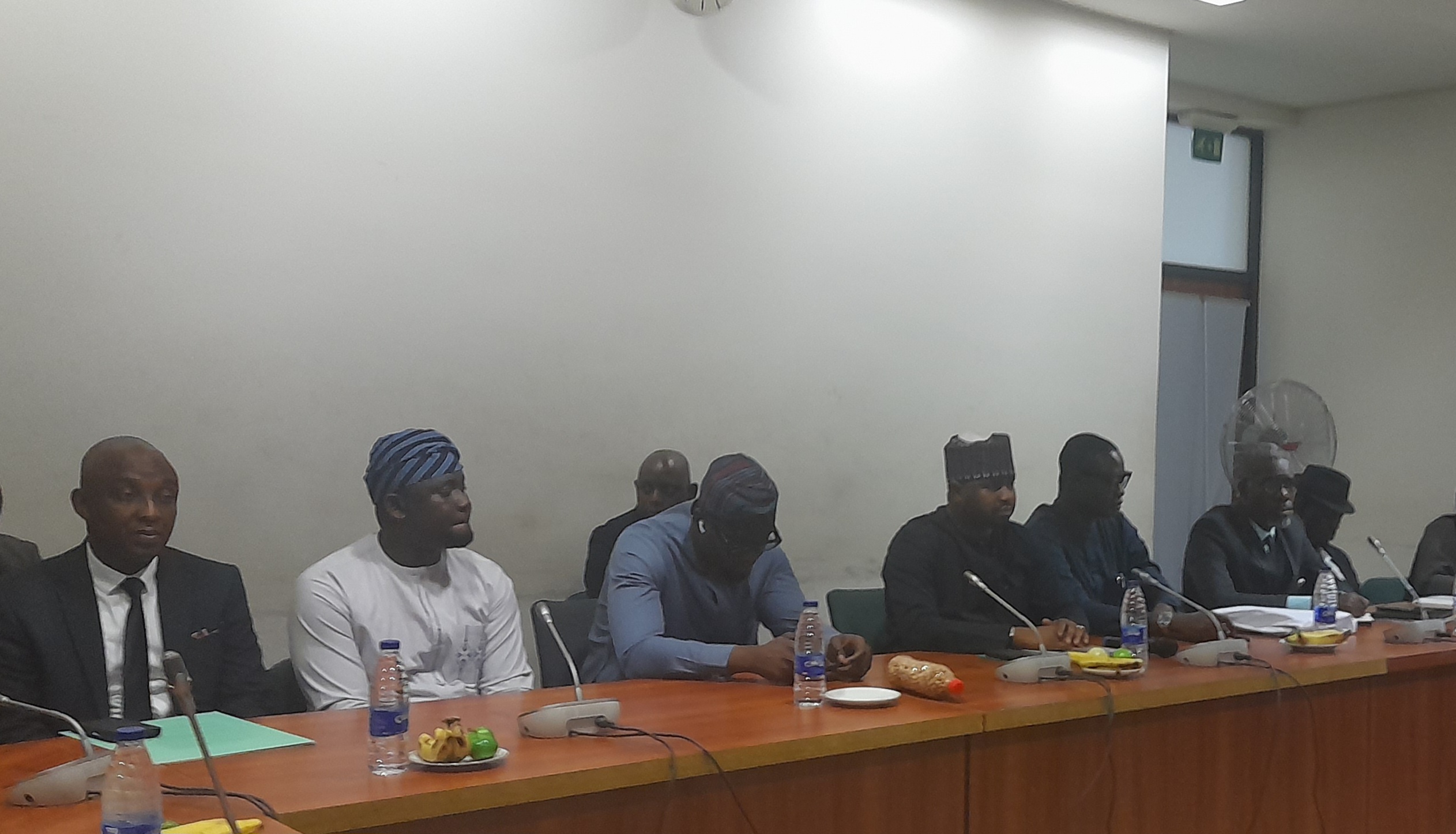
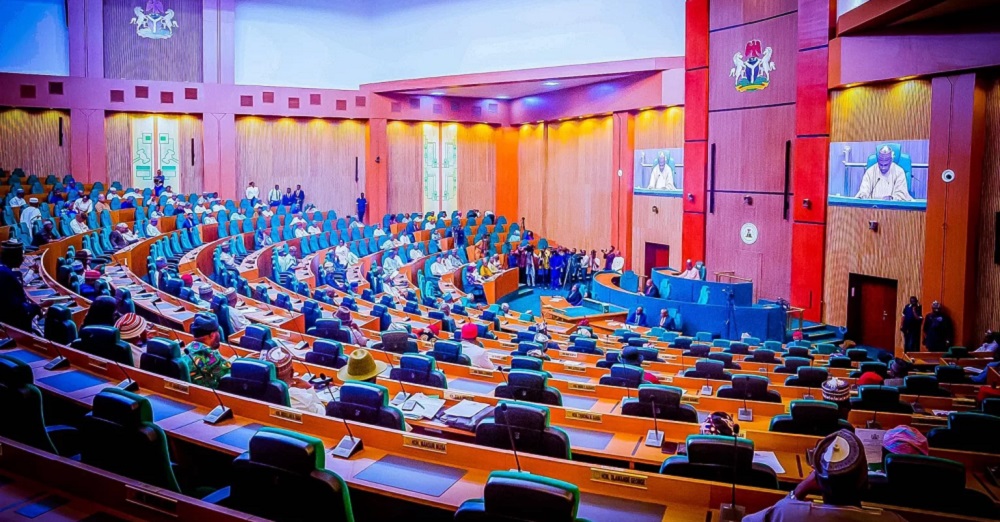
Aieto and Nigeria Agip (now Oando) Oil companies have given different submissions before the House of Representatives’ Environment Committee, during the ongoing investigative hearing into oil theft, pipeline vandalism, and their environmental impact in oil-producing states on Tuesday in Abuja.
The hearing was occasioned by a lot of petitions from host communities affected by Aieto’s and Oando’s operations, who drew special attention on the environmental and economic concerns caused by oil spills and sabotage.
Both companies stressed the need for legislative intervention by the House of Representatives to create legal framework that discourages acts harmful to the nation’s economy and ecosystem.
Oando Team Lead, Philip Akuduro, blamed a significant portion of oil spillage on host communities, citing theft and vandalism as primary causes.
He stated, “Data by Oando on Burutu in Southern Ijaw revealed that virtually over 90% of oil theft and pipeline vandalism were perpetrated by members of the host communities, whose increasing penance and capacity to steal from the common well knows no bounds.”
“Host communities are individually and collectively sabotaging efforts of oil companies to minimize incidences of spillages in their area. Our operations, largely covering onshore and marshy areas, are easily accessible to vandals. Their activities result in spillage and pollution, as oil spills are swiftly spread by strong underwater currents.”
But members of the committee, mostly from the Niger Delta region, led by Chairman Rep. Julius Pondi (representing Ijaw South), vehemently were against the generalized accusations.
They particularly objected to the terms “increasing appetite and capacities for theft,” and therefore urged Oando to withdraw the statement, which the company did spot-on.
Chief Operating Officer of Aieto, Ewarezi Useh, who emphasised the importance of maintaining a good relationship with host communities, however noted that vested interests often lead to conflicts between oil companies and local communities.
Useh credited such clashes to the significant drop in production to 700,000 barrels per day in 2018, which later improved through the efforts of combined security stakeholders.
Rep. Julius Pondi reaffirmed the commitment of the committee to address the root causes of environmental degradation and pollution caused by oil company operations.
He disclosed that there will be an oversight visit to Oando’s operation sites in Delta State to verify their claims of cleaning up the aftermath of a May 2024 oil spill in the area.

Continue Reading
Advertisement
Click to comment

Warning: Undefined variable $user_ID in /home/naijuinz/public_html/wp-content/themes/zox-news/comments.php on line 49

You must be logged in to post a comment Login

Leave a Reply

News

Day 4 of projects commissioning as President TInubu set to commission newly constructed Court of Appeal Building

Published

on

ADVERTISEMENT
Zoom Ad
ADVERTISEMENT
Zoom Ad


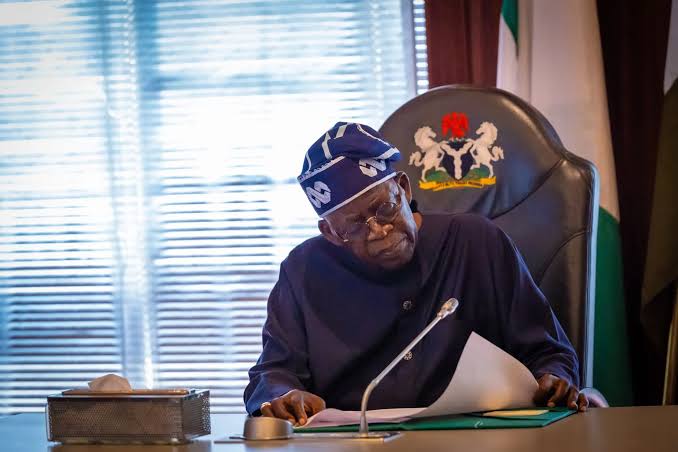
President Tinubu will commission the newly constructed Court of Appeal (Abuja Division) Building today, 15/6/26 as FCT projects commissioning enters Day 4.

#FCTProjects2026
#RenewedHopeFCT

Continue Reading

News

Cholera Outbreak: Plateau Records 5 Deaths, 11 Confirmed Cases

Published

on

By

ADVERTISEMENT
Zoom Ad
ADVERTISEMENT
Zoom Ad

Plateau State commissioner for Health, Dr Nicholas Baamlong, has revealed that the state recorded 11 confirmed cases of cholera, five deaths and 53 suspected cases.

Baamlong, who disclosed this to journalists yesterday in Jos, said the confirmed and suspected cases were reported in Pushit, Mangu 1 and Mangu 2 communities in Mangu local government area (LGA).

According to him, the state Ministry of Health is intensifying public health interventions to contain the outbreak, prevent further spread and reduce its impact on affected communities.

He explained that the state had taken decisive actions to control the outbreak and protect its citizens via the deployment of additional Response Teams (RRTs) to the affected wards, scaling up of treatment centres and isolation capacity and the emergency procurement of Rapid Diagnostic Tests Kits, intravenous fluids and essential drugs.

Advertisement

The Commissioner further said that the ministry had activated an Incident Management System (IMS), for a comprehensive and multi sectorial response to the outbreak.

“The activation of the IMS ensures a coordinated, efficient, and accountable response structure in line with national and international emergency response frameworks,” he said.

Baamlong explained that cholera was an acute diarrhoeal disease caused by consuming food or water contaminated with the bacterium Vibrio cholerae.

He urged residents of Mangu LGA and neighbouring communities to remain vigilant and take preventive measures, including drinking safe water, maintaining proper hand hygiene, avoiding open defecation, and ensuring proper waste disposal.

Advertisement

He also advised residents to promply report suspected cases of cholera to the nearest healthcare facility for immediate attention.

While reaffirming the state government’s commitment to safeguarding the health and well-being of residents, Baamlong called on development partners and other stakeholders to support ongoing response efforts.(NAN)

Continue Reading

News

South Africa says 2,745 foreigners sent home in a week

Published

on

By

ADVERTISEMENT
Zoom Ad
ADVERTISEMENT
Zoom Ad

South Africa has repatriated 2,745 foreigners in the week after President Cyril Ramaphosa vowed tougher action against illegal immigration, the country’s home affairs minister said on Sunday.

One of Africa’s largest economies, South Africa has long attracted migrant workers from across the continent, both legally and illegally.

But saddled with an unemployment rate above 30 percent, it has experienced recurring spurts of anti-immigrant unrest, including fresh violence in recent weeks.

Mobs of South Africans carrying sticks, whips and shields have marched through parts of the country ordering foreigners with no residency papers to leave by June 30.

Advertisement

Growing security fears after businesses were looted and foreigners targeted have prompted citizens of Nigeria, Malawi, Ghana, Zimbabwe and Mozambique to accept voluntary repatriation organised by their governments.

“As of last night, the number we can report is 2,745 repatriations that have come in this period since the president spoke,” Home Affairs Minister Leon Schreiber told reporters.

“It is a moving target,” he said.

The government said most of those repatriated were in the country illegally.

Advertisement

They include Malawian nationals, about 7,000 of whom have been sheltering in an open field in the eastern port city of Durban, according to an inter-ministerial migration committee set up after the president’s address.

Eight buses commissioned by the Malawian government began moving its citizens on Sunday, with South Africa providing 10 additional buses to speed up deportations, the committee said.

Some 560 people, including about 200 children, took the journey on Sunday, Malawi Consul General Max Biwi said.

Among those boarding the first buses, some carried babies on their backs and small bags of belongings.

Advertisement

“I’m relieved we are finally leaving. It’s better than living in fear here,” said Fortunate Chilenje from Blantyre, Malawi’s commercial capital.

The 25-year-old had lived in South Africa for three years, she told AFP, adding that threats to leave had followed her even at the camp, one of the largest to emerge since the unrest began.

The government said on Sunday it did not operate refugee camps and had no intention of establishing them, even on a temporary basis.

Another passenger, Laina Nala from Mangochi in southern Malawi, said she simply wanted to be dropped as close to her home as possible, rather than continuing on to Blantyre.

Advertisement

“Blantyre is too far and expensive from there,” she said.

For Hassan Hasha, 27, a debt linked to his journey to South Africa still hung over his head.

He said he had barely stayed in South Africa for weeks before the anti-foreigner sentiment flared, but added: “I have resigned myself to going home”.

Last week, Ramaphosa acknowledged public concerns over illegal immigration but warned that the authorities would not tolerate anyone taking the law into their own hands.

Advertisement

Tensions escalated after two Mozambicans were killed following a May 29 march against illegal migrants in the Western Cape town of Mossel Bay. Mozambican authorities put the toll at five.

There are more than three million foreigners living in South Africa, or 5.1 percent of the population, according to the statistics agency.

Continue Reading

Trending

Copyright © 2024 Naija Blitz News