Connect with us

Economy

Dangote refinery exports petrol to Cameroon

Published

on

ADVERTISEMENT
Zoom Ad
ADVERTISEMENT
Zoom Ad

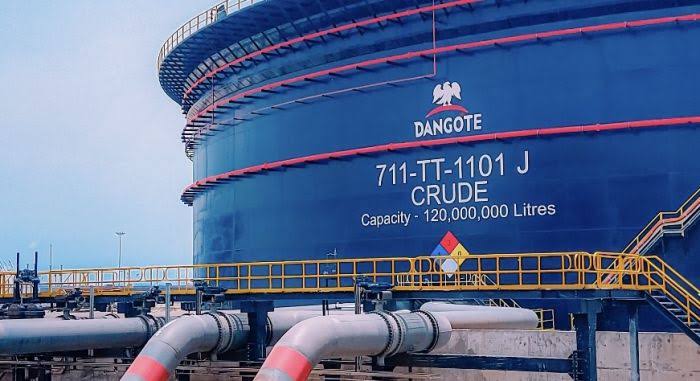
The Dangote Petroleum Refinery and Neptune Oil announced their first export of Premium Motor Spirit (petrol) to Cameroon, marking a significant step in regional energy integration and cooperation.


In a statement issued on Wednesday to The PUNCH, the companies described the shipment as a strategic collaboration aimed at strengthening economic ties between Nigeria and Cameroon while addressing increasing energy demands in the region.

Both companies are exploring further initiatives to establish a reliable supply chain, aiming to stabilize fuel prices and create new economic opportunities in the region.

President and CEO of the Dangote Group, Aliko Dangote, stated, “This first export of PMS to Cameroon is a tangible demonstration of our vision for a united and energy-independent Africa.

Advertisement

“With this development, we are laying the foundation for a future where African resources are refined and exchanged within the continent for the benefit of our people.”

Dangote Refinery, Africa’s largest single-train refinery, has a processing capacity of 650,000 barrels per day and is considered a flagship project of the Dangote Group.

The export underscores Dangote Refinery’s capacity to meet Nigeria’s domestic fuel needs while positioning the refinery as a key player in the regional energy market.

It also facilitates access to high-quality, locally sourced petroleum products for Cameroon, reducing its reliance on imports, they said.

Advertisement

Weeks ago, The PUNCH exclusively reported that the refinery was set to begin fuel exports to South Africa, Angola, and Namibia.

It added that four other African countries – Niger Republic, Chad, Burkina Faso, and Central Africa Republic – had also started negotiations with the refinery.

The Director and Owner of Neptune Oil, Antoine Ndzengue, emphasised, “This partnership with Dangote Refinery marks a turning point for Cameroon.

“By becoming the first importer of petroleum products from this world-class refinery, we are bolstering our country’s energy security and supporting local economic development.

Advertisement

“This initial supply, executed without international intermediaries, reflects our commitment to serving our markets independently and efficiently.”

Neptune Oil is a leading energy company in Cameroon, committed to providing reliable and sustainable energy solutions.

The PUNCH
Advertisement

Economy

OPEC+ approves fourth oil output increase since Hormuz closure

Published

on

By

ADVERTISEMENT
Zoom Ad
ADVERTISEMENT
Zoom Ad

The Organisation of Petroleum Exporting Countries and its allies, also known as OPEC+, has approved the fourth oil output increase since the Hormuz closure crisis.

The decision followed renewed commitments by Saudi Arabia, Russia, Iraq, Kuwait, Kazakhstan, Algeria and Oman to support market stability.

In a statement issued at the weekend, OPEC stated: “The seven OPEC+ countries, which previously announced additional voluntary adjustments in April and November 2023, namely Saudi Arabia, Russia, Iraq, Kuwait, Kazakhstan, Algeria and Oman, met virtually on June 7, 2026, to review global market conditions and outlook.

“In their collective commitment to support oil market stability, the seven participating countries decided to implement a production adjustment of 188,000 barrels per day from the additional voluntary adjustments announced in April 2023.

Advertisement

“This adjustment will be implemented in July 2026. The additional voluntary adjustments announced in April 2023 may be returned in part or in full, subject to evolving market conditions and in a gradual manner.

“The countries will continue to closely monitor and assess market conditions and, in their continuous efforts to support market stability, reaffirmed the importance of adopting a cautious approach and retaining full flexibility to increase, pause or reverse the phase-out of the voluntary production adjustments, including reversing the previously implemented voluntary adjustments announced in November 2023.

“The seven OPEC+ countries also noted that this measure will provide an opportunity for the participating countries to accelerate their compensation.

“The seven countries reiterated their collective commitment to achieving full conformity with the Declaration of Cooperation, including the voluntary production adjustments, which will be monitored by the Joint Ministerial Monitoring Committee (JMMC).

Advertisement

“They also confirmed their intention to fully compensate for any overproduced volumes since January 2024. The compensation period will be extended until the end of December 2026.”

It added: “The seven OPEC+ countries will hold monthly meetings to review market conditions, conformity and compensation. The seven countries will meet on July 5, 2026.”

Continue Reading

Economy

Naira depreciates to N1,397/$ in parallel market

Published

on

By

ADVERTISEMENT
Zoom Ad
ADVERTISEMENT
Zoom Ad

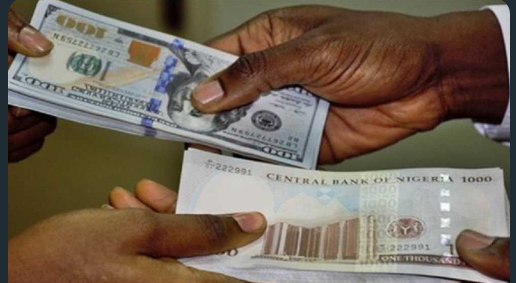
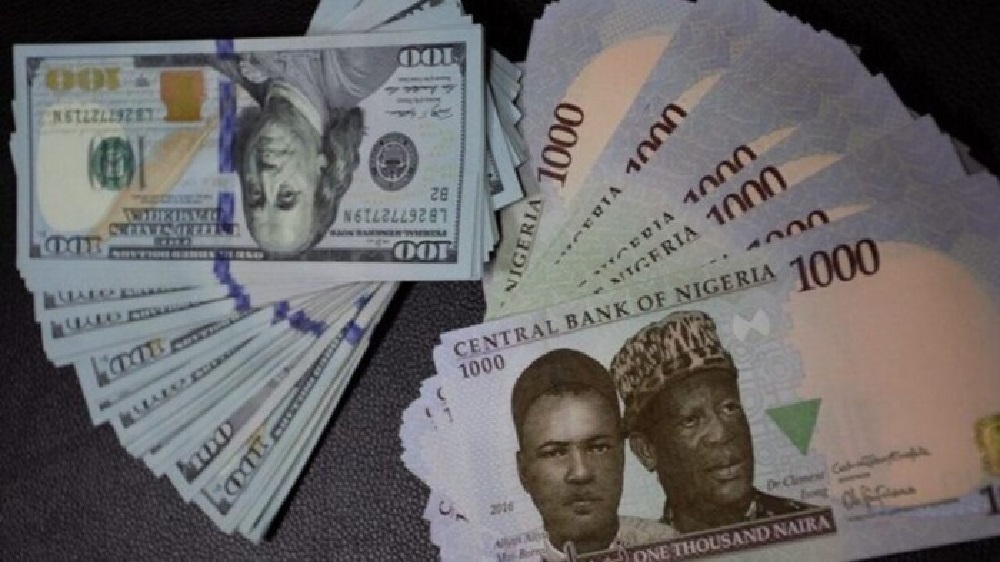
The naira on Friday depreciated to N1,397 per dollar in the parallel market from N1,390 per dollar on Thursday.

Likewise, the naira depreciated to N1,365 per dollar in the Nigerian Foreign Exchange Market, NFEM.

Data from the Central Bank of Nigeria, CBN, showed that the indicative exchange rate for the market rose to N1,365 per dollar from N1,359.75 per dollar on Thursday, reflecting N5.25 depreciation for the naira.

Consequently, the margin between the parallel and official markets widened to N32 per dollar from N30.25 per dollar on Thursday.

Advertisement

The turnover in the interbank foreign exchange market recorded its fourth daily decline by 42.5 per cent to $73.6 million from $128.2 million on Thursday.

This week, the naira strengthened by N1 per dollar in the official market, with turnover in the interbank foreign exchange market climbing to N683.2 million, representing a 76.7 per cent rise compared to N386.54 million recorded the previous week.

However, the local currency weakened in the parallel by N2 against the greenback.

Advertisement
Continue Reading

Economy

See Dollar to Naira exchange rate today, June 5, 2026

Published

on

ADVERTISEMENT
Zoom Ad
ADVERTISEMENT
Zoom Ad

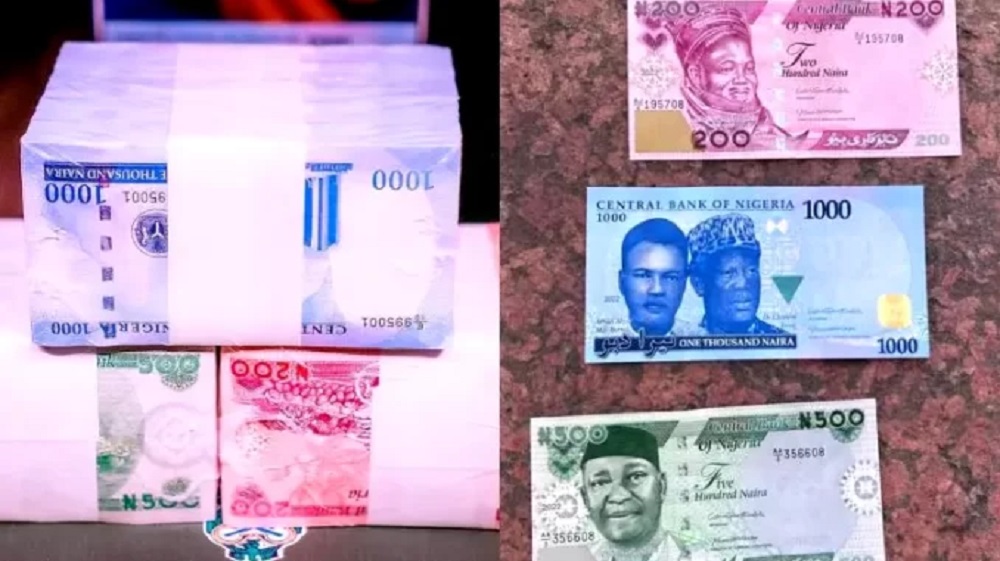
The Nigerian naira maintained a relatively stable performance against the United States dollar at both the official and parallel foreign exchange markets as traders monitored liquidity conditions and demand pressures.

Data from the Central Bank of Nigeria’s Nigerian Foreign Exchange Market (NFEM) showed the naira trading around ₦1,361 to the dollar, reflecting a largely steady trend compared to recent sessions. The most recent NFEM rate published by the apex bank stood at approximately ₦1,361.05/$, while trading during the week remained within the ₦1,359–₦1,365 range.

Market data from recent official trading sessions also indicated that the naira had strengthened modestly in early June, supported by improved foreign exchange supply and sustained interventions aimed at enhancing market liquidity.

At the parallel market, commonly referred to as the black market, the dollar traded at between ₦1,390 and ₦1,405 on Friday, depending on location and transaction size. Several market trackers reported buying rates around ₦1,380–₦1,395 and selling rates between ₦1,393 and ₦1,405 per dollar.

Advertisement

The gap between the official and parallel market rates remained relatively narrow compared with previous months, reflecting ongoing efforts to improve transparency and liquidity in the foreign exchange market.

Currency dealers said market participants continue to watch foreign portfolio inflows, crude oil earnings, and Central Bank policies, all of which remain key factors influencing the naira’s direction in the coming weeks.

As of June 5, 2026, the dollar exchanged at about ₦1,361 in the official NFEM market, while parallel market transactions ranged from approximately ₦1,390 to ₦1,405 per dollar.

Advertisement
Continue Reading

Trending

Copyright © 2024 Naija Blitz News