

News
Dismantling the false Narrative of a “Coup” in Rivers State
By Jones Onyereri
The assertions that President Tinubu’s intervention in Rivers State constitutes an unconstitutional power grab or a “military coup in civilian disguise” fundamentally misrepresent the legal, political, and security realities that necessitated federal action. Far from being a partisan maneuver, the declaration of a state of emergency and subsequent measures were lawful, proportionate, and grounded in the imperative to prevent a total collapse of governance and public order. Below is a thorough rebuttal to the allegations:
The Nigerian Constitution explicitly empowers the President to declare a state of emergency under Section 305 when there is a clear threat to public safety or a breakdown of governance. The escalation of pipeline vandalism by militants—which crippled economic activity, endangered lives, and exacerbated environmental degradation—coupled with the Supreme Court’s February 18 judgment highlighting governance failures in Rivers State, provided incontrovertible justification for federal intervention. The claim that “no emergency existed” ignores the state government’s demonstrable inaction in addressing these threats, which risked spiraling into wider violence. Emergency powers are, by design, temporary and exceptional, aimed at restoring stability, not undermining democracy.

The appointment of Admiral Ibok-Ete Ibas as Sole Administrator aligns with constitutional provisions for federal intervention during crises. Section 11 of the Constitution permits the National Assembly to legislate for a state in extraordinary circumstances, and the President’s action enjoys implicit legislative backing as a stopgap to avert anarchy. Admiral Ibas, a retired military officer with no overt political ties, was selected for his administrative expertise, not as a proxy for any faction. His mandate is strictly limited to stabilizing the state, facilitating the return to democratic governance, and ensuring the security forces can operate without partisan interference. To equate this with a “military coup” is hyperbolic and disregards the transparent, legal framework guiding his role.
Critics allege defiance of Supreme Court orders regarding state funds, but this misinterprets the interplay between judicial mandates and emergency executive authority. While the Court initially restricted financial flows to Rivers State due to governance disputes, the escalation of the crisis necessitated federal release of funds under the “doctrine of necessity” to sustain critical services like healthcare, education, and infrastructure. The Constitution prioritizes the security and welfare of citizens (Section 14(2)(b)), and the President’s duty to uphold this principle supersedes rigid adherence to procedural norms during emergencies.
The Sole Administrator’s actions, including the formulation of regulations and restructuring of local government administrations, operate within the bounds of his provisional mandate. These regulations require approval by the Federal Executive Council (FEC), ensuring oversight and accountability. The replacement of local government officials was not a “power grab” but a necessary step to dismantle networks complicit in revenue diversion or inefficiency. The Supreme Court’s insistence on democratically elected local governments remains sacrosanct, but interim appointments during emergencies are globally recognized mechanisms to restore functionality before elections can be organized.
Claims that the Administrator has overstepped by preparing a budget or appointing a Secretary to the State Government (SSG) ignore the practical realities of governance. In the absence of a functional State Assembly, provisional budgets based on existing frameworks ensure continuity of public services. Similarly, the appointment of an SSG—a routine administrative role—falls within the Administrator’s authority to maintain bureaucratic operations. These measures are neither permanent nor unconstitutional; they are transitional tools to prevent total institutional paralysis.
The narrative that this intervention serves Minister Wike’s political interests is speculative and distracts from its stated purpose. Restructuring boards and commissions, including the Rivers State Electoral Commission, aims to depoliticize institutions vital to free and fair elections. The focus on “Wike loyalists” assumes nefarious intent without evidence, whereas the Administrator’s appointments could equally reflect efforts to engage experienced personnel familiar with the state’s administrative landscape. The assertion that federal actions target Governor Fubara’s allies conflates routine accountability with persecution; in crises, restructuring is inevitable to eliminate inefficiency or bias.
Regarding the House of Assembly reconstruction, federal involvement ensures the project adheres to timelines and standards, avoiding further delays that could destabilize legislative functions. The Governor’s progress, while commendable, does not negate the need for independent oversight in a volatile environment.
President Tinubu’s intervention is neither indefinite nor authoritarian. Emergency measures will lapse once security is restored, and democratic structures are reinstated. The National Assembly retains the authority to review and curtail these actions under Section 11, ensuring checks and balances. To frame this as a “2027 political takeover” is a cynical distortion of a lawful, necessary intervention to prevent Rivers State from descending into chaos.
In conclusion, the allegations of a “civilian coup” or unconstitutional power grab disregard the constitutional safeguards and urgent pragmatic considerations guiding federal actions. The President’s duty to protect lives and livelihoods in Rivers State transcends political expediency. While vigilance against overreach is prudent, dismissing all stabilization efforts as partisan machinations undermines the legitimate pursuit of peace and order. The people of Rivers State deserve functional governance, not perpetual crisis—and federal intervention, however imperfect, is a constitutional means to that end.
Rt Hon Sir Jones Onyereri PhD, KSP, FCIPAN
April 12, 2025
News
Atiku And Other Northern Muslims Reject INEC 2027 Elections Dates
The announcement by the Independent National Electoral Commission (INEC) fixing dates for the 2027 general elections has sparked widespread criticism, particularly among northern Muslim leaders and political figures who argue that the schedule coincides with the Islamic holy month of Ramadan.
Former Vice President Atiku Abubakar has demanded an immediate change of the date released by the Independent National Electoral Commission for the 2027 general elections, stating it falls within the Ramadan period.
“The Independent National Electoral Commission (INEC) must urgently reconsider the February 20, 2027 date it has announced for the general elections,” Mr Abubakar said in a statement on Friday. “That date falls squarely within the Ramadan period (February 7 – March 8, 2027), a sacred season of fasting, reflection, and spiritual devotion for millions of Nigerian Muslims.”
INEC had earlier released the official elections timetable, outlining dates for campaigns, voters’ registration, political parties’ primary elections and general elections.
However, Mr Abubakar blasted INEC for fixing the elections within the holy month of Ramadan, accusing the electoral umpire of poor judgement and insensitivity to the country’s socio-religious realities.
“Elections are not mere administrative rituals; they are national exercises that demand maximum participation, physical endurance, and collective focus. Fixing such a critical civic exercise in the middle of a major religious observance reflects poor judgment and a troubling lack of sensitivity to the nation’s socio-religious realities,” the ADC chieftain said.
While noting that inclusive planning was fundamental, the former vice president said INEC’s poor handling of election timing casts doubt on the capacity of the body to deliver free and fair elections to Nigerians.
“In a diverse country like Nigeria, inclusive planning is not optional, it is fundamental. Something as basic as choosing a broadly acceptable date should not be mishandled. It speaks to competence, foresight, and respect for citizens.
“If INEC struggles with getting a simple matter of timing right, Nigerians are justified in asking: what assurance do we have that it will competently deliver free, fair, and credible elections in 2027?” Mr Abubakar stated.
We have recently deactivated our website’s comment provider in favour of other channels of distribution and commentary. We encourage you to join the conversation on our stories via our Facebook, Twitter and other social media pages.
Ramadan is a sacred period in Islam marked by fasting from dawn to sunset, increased prayers, and spiritual reflection. For many Muslims, the month involves physical restraint, heightened devotion, and communal religious activities that can be physically demanding.
Critics argue that conducting national elections during this period could suppress voter turnout, especially in predominantly Muslim regions of northern Nigeria. They maintain that elections require physical endurance, long hours at polling units, and active participation in vote protection and monitoring — activities that may prove challenging while fasting.
A statement circulating online described the move as “a troubling lack of sensitivity to Nigeria’s socio-religious realities,” emphasizing that election planning in a diverse country must take religious observances into account.
In Nigeria, where religion plays a significant role in public life, stakeholders insist that inclusive planning is not optional but fundamental to democratic credibility.
Atiku and Other Northern Voices React
Another northern commentator, Hamma Hayatu, declared confidently on social media that “the date for elections 2027 just released shall be changed,” reflecting a growing sentiment among critics that public pressure may force a review.
Several social media users echoed similar concerns, with one post reading: “There’s no way the Muslim majority will participate in the casting and protection of votes during Ramadan.”
Questions About Consultation and Planning
Observers say the controversy raises broader questions about the consultative process that preceded the announcement.
In past election cycles, INEC has often engaged political parties, civil society organizations, and security agencies in discussions around logistics and scheduling. However, critics argue that the Ramadan overlap suggests either insufficient consultation with religious and community leaders or an oversight in evaluating the socio-cultural implications of the dates.
Some commentators have framed the issue as a test of INEC’s foresight and administrative competence.
“If INEC struggles with getting a simple matter of timing right, Nigerians are justified in asking what assurance we have that it will competently deliver free, fair, and credible elections in 2027,” one political analyst wrote.
The concern is not merely symbolic. Analysts warn that even a marginal decline in voter turnout in key regions could influence electoral outcomes and fuel post-election disputes.
Risks to Voter Participation and Credibility
The primary fear expressed by critics is the potential suppression of voter turnout among Muslims observing the fast. During Ramadan, many adherents limit strenuous activities, especially under the hot sun, which characterizes much of Nigeria’s dry season in February and March.
Long queues at polling units, delays in accreditation, and potential security challenges could further discourage participation.
Election observers also note that reduced turnout in certain demographics may affect perceptions of legitimacy. In a country already grappling with concerns about voter apathy and trust in electoral institutions, any factor that appears to limit participation could undermine public confidence.
Moreover, Ramadan evenings are often dedicated to special prayers known as Taraweeh, meaning extended polling delays could clash with religious commitments.
Broader Political Implications
Beyond religious considerations, the controversy comes at a politically sensitive time as parties begin early maneuvering ahead of the 2027 race.
The northern region remains a crucial voting bloc in presidential elections. Any perception that its predominantly Muslim population is disadvantaged could become a major campaign issue.
Political strategists suggest that opposition parties may seize on the controversy to question INEC’s neutrality or competence, potentially escalating tensions.
At the same time, some voices have urged calm, noting that Ramadan does not automatically preclude civic participation and that Muslims in other countries have voted during the holy month. However, they acknowledge that Nigeria’s logistical and climatic realities differ significantly.
Pressure Mounts on INEC
As criticism intensifies, pressure is mounting on INEC to review the announced dates. Civil society groups and commentators argue that adjusting the calendar now would demonstrate responsiveness and strengthen public trust.
So far, INEC has not issued a formal statement addressing the Ramadan concerns. The Commission’s leadership may face increasing calls to clarify whether alternative dates were considered and what consultations informed the decision.
Election experts emphasize that revising the schedule at this early stage would not pose significant logistical challenges, given that 2027 is still over a year away.
A Test of Inclusivity
Ultimately, the debate over the 2027 election dates underscores Nigeria’s delicate balance of religion, politics, and democracy.
In a multi-ethnic, multi-religious society, national institutions are expected to demonstrate sensitivity to diverse realities. Critics insist that something as fundamental as election timing should reflect inclusive planning.
Whether INEC will reconsider its decision remains to be seen. However, the immediate public outcry signals that the issue resonates deeply, particularly among northern Muslim communities.
As the 2027 elections approach, the controversy serves as an early reminder that beyond logistics and ballots, the credibility of Nigeria’s democracy rests heavily on public trust — and that trust often begins with decisions that show respect for the nation’s diversity.
News
Bashir Ahmad urges INEC to review 2027 election timetable, cites Ramadan
Former presidential aide Bashir Ahmad has urged the Independent National Electoral Commission (INEC) to reconsider the dates announced for the 2027 general elections, saying the proposed timetable falls within the Muslim holy month of Ramadan and could affect participation.
INEC, in a notice issued on Friday, fixed February 20, 2027, for the presidential and National Assembly elections, while governorship and state assembly elections are scheduled for March 6, 2027.
The dates were announced at a news conference in Abuja by the commission’s chairman, Joash Amupitan.
Reacting in a post on X, Ahmad addressed Independent National Electoral Commission, expressing concern that both election days fall within Ramadan.
“Dear INEC Nigeria, this is a respectful observation following the announcement of February 20th and March 6th, 2027, as the date for the next presidential and National Assembly and governorship and state assembly elections respectively,” he wrote.
“The proposed dates fall within the holy month of Ramadan, a period during which many Muslims devote significant time to fasting, prayer, and spiritual reflection,” Ahmad added.
He warned that holding the elections during the period could pose challenges for many voters.
“If the intention is to encourage full and inclusive participation in the electoral process, scheduling such a critical national exercise during Ramadan may present challenges for a large segment of the population,” he said.
According to him, many Muslims reduce engagement in demanding activities during the fasting period in order to focus on religious obligations.
“Given the significant Muslim population in this country, it may be worthwhile to reconsider the timing to ensure broader participation and convenience for all citizens,” Ahmad stated.
He added that his observation was made “in the spirit of inclusiveness and national cohesion.”
News
‘I’ll Never Let My Child Go There’: Niger State Parents Reject School Reopening Over Insecurity Fears
Parents and community leaders in Niger State have expressed concern over the reopening of schools, citing the continued risks to children and education workers in areas affected by insecurity.
Several schools in Shiroro, Agwara, Rafi, and Mariga local government areas are located in communities that have experienced repeated attacks, kidnappings, and threats.
The November 2025 attack on St. Mary’s Catholic School in Papiri, Agwara, which prompted a state-wide closure, remains a reference point for assessing safety in schools across the state. Residents have said reopening without adequate security could expose students to similar risks.
Mohammed Musa Alawa, Deputy Imam of Allawa Central Mosque in Shiroro LGA questioned the government’s handling of school closures and reopening, saying the situation remains unsafe, Saharareporters can report.
“Firstly, I need to question the government’s act on school closure; is school closure actually meant to combat insecurity? If it’s a yes, then I guess reopening schools at this moment is not safe,” Alawa said.
He also highlighted specific schools in insecure areas as unsafe for children to attend.
“For instance, Model Primary School, Allawa, as listed among the schools reopened, I will never let my child go there as there has been no one in Allawa since April 25, 2024 when the government withdrew the military stationed there,” he said.
“Actually, the only modalities I would like the government to put in place is none other than to take necessary measures on combating these cruel beings. Wiping them or driving them out of the state is the only solution that will guarantee the safety of our children,” Alawa added.
Alawa raised concerns about the effect of armed presence near schools.
He said, “While I understand that in some areas vigilantes are guarding schools, the presence of armed men on school premises can instill fear in students and hinder their ability to focus on their studies.”
The Lapkama Freedom Fighters (LFF) said schools could only be reopened where there is “visible, sustained and credible security presence alongside clear emergency response mechanisms.”
They warned that reopening schools in areas with ongoing threats “exposes innocent children and education workers to grave dangers.”
LFF said they had engaged security agencies, conducted public awareness campaigns, and advocated for a coordinated school safety framework involving government, communities, and security forces.
They said they were “willing and ready to collaborate with government and security agencies on school safety assessment, support community-based early warning and protection initiatives around schools.”
Recent incidents have underscored ongoing risks.
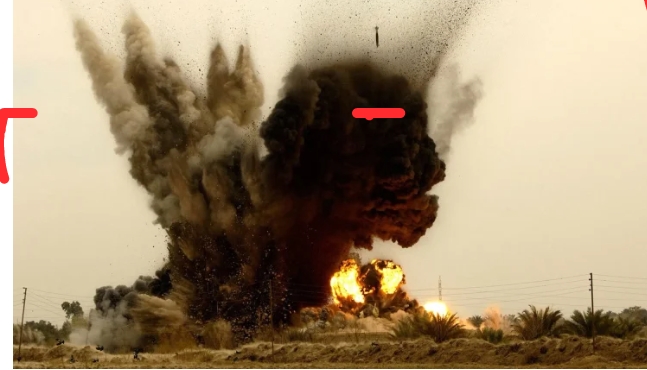
An IED explosion between Kududu and Chukuba in Shiroro, along with repeated attacks in Papiri, indicates that some schools officially cleared for reopening remain in areas of concern. Parents said children should only return “where there is safety, protection and a chance for our children to learn in peace.”
Schools approved for reopening in Agwara, Rafi, and Mariga LGAs include Alhaji Zakari Mohammed Sani Nursery and Primary School; Army Children School, Wawa; Federal Government Girls College Staff Nursery and Primary School; and Waziri Primary School.
Some residents said insecurity in these areas has raised doubts about whether reopening is feasible without additional safety measures.
The Niger State Government has emphasised that schools in unsafe areas remain closed until credible security is restored.
Authorities have urged stakeholders to comply with reopening directives while prioritising the safety and educational development of students.
As of the time of filing this report, Niger State Police Public Relations Officer, Wasiu Abiodun, had not responded to SaharaReporters’ requests for comment on the safety of schools in the affected areas.
-
News23 hours agoReps Move to Bar NiMet, FHA, SON, Others from 2026 Budget Over Audit Failures
-
News23 hours agoJust in: Fear Engulfs Three Kwara Communities After Suspected Terror Group Sends Threat Letter, Vows To Strike ‘Anytime Soon’
-
News23 hours agoReps Pledge Full Delivery of 2026 Budget
-
News22 hours agoJust in INEC Finally Fixes February 20 For 2027 Presidential Election, March 6 For Guber
-
News22 hours agoNigerian Man Cries Out Alleges Forced Recruitment Into Russian Army, Begs FG For Help
-
News20 hours agoCourt grants demand to probe academic qualifications of Interior Minister, Tunji-Ojo
-
News15 hours agoPresident Tinubu set to embark on visit to Kebbi
-
News6 hours agoUK To Replace Paper Visas With e-Visas

You must be logged in to post a comment Login