BY BOLAJI AFOLABI


Democracy, generally described as the best form of government is anchored on three planks; the executive, legislature, and judiciary. In any nation that practices democratic government, each of these arms exists, functions, and operates independently but they relate with one and another; where necessary for the general well-being of the society. Indeed, the legislature can be described as the fulcrum of democracy. Without it, there is no democratic governance. In Nigeria, the legislature is saddled with the responsibilities of Law making; Oversight, and Representation. In the constitution (as amended), Section 4 gives the legislature the power to make laws for peace, order, and good government of the Federation or any part thereof. Sections 88 and 89 empowers the legislature to ensure that there is transparency, accountability, and good governance in Nigeria. Though not explicitly stated, Sections 51, 66, and 4 collectively imply that legislators are elected to serve the interests of their constituents; addressing the needs of their people through constituency representation.
Somehow, the majority of people who are constituents of legislators do not bother about their law making, and oversight functions. The focus seems to be constituency representation. On a regular basis, with audacious demands, and ferocious requests, legislators are bombarded by their constituents. It has gone terribly bad that many people are either entirely oblivious of the main duties of legislators or deliberately play “deaf and dumb.” Legislators, are mostly rated by “what they bring back home” by way of constituents empowerment and constituency development. Law making and oversight; which are their main duties, is gradually edged to the backwaters. Sadly, the wrong characterisation of the legislature is on a free fall. Given the vagaries of national challenges including monstrous hunger; pervasive hardship; disabling unemployment; accentuating insecurity; corrosive poverty, and more the legislators are at the receiving ends of their constituents. Oftentimes harassed, blackmailed, and subjected to different theatrics and tantrums, some legislators stretch out of their “terms of reference” to be free from barrages of attacks, vilification, and insults hauled by some constituents. 
December, being the last month in every year is reputed for festivities and celebrations. Across the country, days of the month witness various merriment and programmes. From weddings to house warming and burial ceremonies and numerous other events, there are always something or the other that make people coalesce at centres and venues. Politicians, particularly elected are not left out. Leveraging on the mass-movement of people from the urban centres to rural communities, politicians organize one thing or the other that will benefit their constituents and constituencies. During this period, particularly in the Southern zones and Middle Belt, constituents regal in enthusiasm and ecstasy as they warmly jubilate over the commissioning of projects, distribution of materials, and provision of services from legislators. Commonly described as dividends of democracy, for many constituents it is seen as visible proof that they are being represented effectively by their respective legislators.
In most cases, the thrills, frills, and fun literally dry out as the yuletide season grinds to a halt. For many people, including legislators the first three months of the new year are times for reality check. Many explore the first quarter as months for recovery, recuperating, and rearranging themselves. Though many constituents may pretend to be oblivious of this “home-truth” but few reasonable ones do not expect interventions from their legislators anytime soon. Sadly, legislators, being the “government” that constituents can easily relate with, are daily bombarded by tonnes of requests. Every attempt to explain their inadequacies are roundly rejected by many people. Perhaps, one may not blame Nigerians. Overtime, the ostentatious, expensive, and expansive lifestyles of some legislators have led to collateral damage for few others.
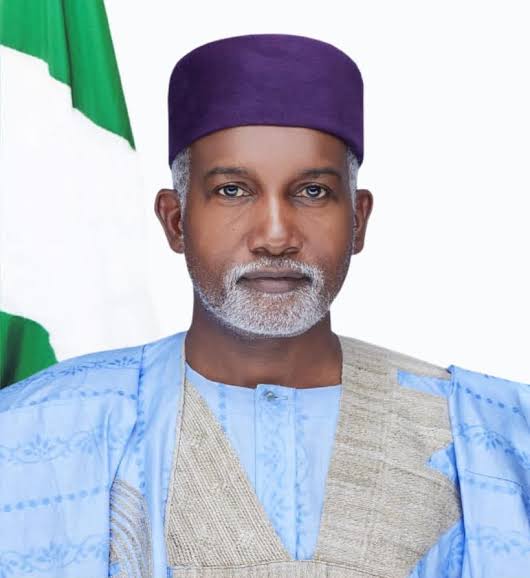
Without prodding and pressures, the reverse is the case in the Obio-Akpor federal constituency. Literally, the rains have continued to fall on the constituents. Since the first few days of the year up till now, there has been a deluge of programmes and projects; facilitated by their representative, Chinda Kingsley geared towards communal development and the personal growth of constituents. According to verifiable records, Chinda, who has been impacting constituents since 2011, continued in the same positive trajectory. Recall that from mid-2023, many people from across different communities in the 17 Wards of the constituency have benefitted from various initiatives. These non-partisan, all-inclusive, and fair-to-all intervention programmes, with special focus on education, health, agriculture, skills development, and more have largely impacted the people. Mr. Ephraim Nedum, a serial entrepreneur confessed that, “initially, I didn’t believe all the talks about intervention programmes in the first quarter of the year. After proper checks, and confirmation from some beneficiaries within my neighborhood, I will like to commend Chinda for keeping to his word. He is a man of honour and integrity.”
Conscious of the imperatives of education to the totality of human existence, particularly in a cosmopolitan setting like Obio-Akpor, an adult education scheme was initiated. For weeks, both illiterate and semi-literate constituents; including elderly men and women, and others were exposed to the basic rudiments of learning. From testimonies, the programme had far-reaching impacts on the beneficiaries. Mr. Godwin Ibe, a trader explained, “though I didn’t continue my education after junior secondary school, the programme was very useful and timely for me. I have decided to write WAEC, and NECO next year.” To improve capacity building, about 150 teachers have been enrolled for the University of Buckingham (UOB) International Diploma of Education programme. One of the beneficiaries, Mr. Darlington Goodness admitted that, “this is a laudable initiative, as one is going to have global certification at the end of the programme. The benefits are immeasurable.” In continuation of the distribution of desks, teachers tables, and other equipment, Comprehensive Secondary School, Rumuokwurusi, Community Boys Secondary School, Elelenwo, and other secondary schools benefitted from the Phase 3 of the programme which ended a few weeks back.
Cognizant that the growth of the informal and semi-formal sectors are necessary for the promotion of trade and commerce, as well as realistic economic growth in the constituency, and Rivers, diverse training programmes were facilitated. Many people, including indigenes, residents, and non-indigenes participated in various capacity building initiatives in agriculture, transportation, welding, and other vocations. Many of whom got buses, working materials, start-up packs, and other empowerment packages. Mr. Nurudeen Ambali a commercial bus driver was surprised that, “non-indigenes were not only included in the training programme but few also benefitted from the buses.” Mallam Jubril Mohammed, Hausa community leader, affirmed that, “in my over three decades in Rivers, this is the first time that our people are benefitting largely from programmes initiated by any lawmaker.” Comrade Destiny Fynecountry, a Youth Leader emphasized that, “the AgriBusiness capacity building programme was an eye-opener, and life-changing experience for youths. We now know the extensive value of chain opportunities and possibilities in the sector.” Corroborating, Ms. Magdalene Wakama reiterated that, “for many of us, we have started our respective journeys towards being self-reliant, and emerging as agriculture entrepreneurs.”
Mindful about the glaring healthcare deficits in various communities, and the challenges the government is facing towards addressing this all-important sector, Chinda facilitated a three-day free medical outreach. The programme was not restricted to constituents but also included people from contiguous communities. Elderly men and women, nursing mothers, youths, and others had interactions, and treatments on various health issues which were anchored by quality, and experienced medical professionals. Mr. Valentine Dominic, applauded the initiative, “though I am not from the PDP but Chinda should be commended for insisting that everybody benefitted from the medical outreach. Fact is, I know many people who are members or supporters of rival political parties that participated.” For Elder Kevin Nedum, “I am very happy that, in my lifetime I am benefitting from a medical outreach. The ease with which I was invited to the programme, examined by doctors, and given recommended glasses shows that good things can be done if the right people are elected to offices.” Madam Philomena Emele declared that, “with proper checks, and provision of medications, I am experiencing improvement in the health challenges that I had before now.”
Somehow, there is a unanimity of opinion within the Obio-Akpor federal constituency, and across neighbouring communities that Chinda has done well. Similar endorsements are echoed in some other areas across the state. That these commendations are broad-based; across party lines, ethnicity, religion, and different persuasion speaks volumes about the all-embracing impacts of these interventionist programmes. Chief Chidera Obiozor, a community leader stressed that, “it is heart warming that he has given life to his campaign promises which was anchored on ‘I Win, You Win.’ One hopes that he will continue with this, and more.”
For Mrs. Queen Chiazom, an opposition party women leader, asserted that, “the various programmes are adding value to the people of the constituency, irrespective of party affiliation. I was happy when I heard that Chinda always insists that these programmes are for everybody. This is the type of leader that people desire.” Indeed, Rivers has been fortunate with the calibre of legislators they have at the National Assembly. From available records, their commitment to constituency development, and constituents empowerment has been encouraging. Amidst the positive narratives, and commendations, people are hopeful that Chinda (and other legislators) will keep the rain of performances falling.
* BOLAJI AFOLABI, a Development Communications specialist was with the Office of Public Affairs, The Presidency, Abuja.