Connect with us

News

Drug war: First Lady Senator Tinubu, UNODC, Marwa charge states on community-based interventions(Photos)

Published

on

ADVERTISEMENT
Zoom Ad
ADVERTISEMENT
Zoom Ad

. ‘62,595 suspects arrested, 11,628 convicted and 10.3million kilograms illicit drugs seized in 51 months’


State governments have been charged to embrace and entrench community-based interventions that will curb the impact of the scourge of substance abuse and illicit drug trafficking at the grassroots in line with the National Drug Control Master Plan (NDCMP).

The charge was the highpoint of remarks by the First Lady, Senator Oluremi Tinubu; Chairman/Chief Executive Officer of the National Drug Law Enforcement Agency, (NDLEA) Brig Gen Mohamed Buba Marwa; Country Representative of the United Nations Office on Drugs and Crime (UNODC) Cheikh Ousmane Toure as well as ECOWAS representative, Dr. Daniel Amankwaah at a training workshop organized by NDLEA for the Nigeria Governors Spouses’ Forum in Abuja on Tuesday 6th May 2025.

In her keynote address to the gathering, Senator Tinubu who was represented by wife of the Deputy Senate President, Hajiya Laila Jibrin Barau commended the NDLEA, and NGSF for the initiative aimed at advancing drug control efforts to the grassroots across the country. She specifically commended Marwa and his team “for courageously confronting the fight against illicit drug abuse and trafficking in the country.”

Advertisement

According to her, “This training cannot be coming at any better time than now when statistics and daily life experiences are revealing that drugs have infiltrated every nook and cranny of our communities. As a nation, we are confronted with a growing crisis, one that affects the very core of our society, the health, safety, and future of our children.

“The rising tide of drug and substance abuse amongst adolescents is a challenge that we must no longer ignore or tackle in isolation. It requires concerted efforts, community-driven response, one that integrates enforcement, education, family support, and sustained intervention. Our presence at this training testifies to the collective resolve we display in ensuring that we strengthen, secure, and safeguard families and communities.

“Today’s training will ensure that we are adequately armed with the right knowledge, tools, skills, and competencies necessary to effectively tackle this complex issue. It is my hope that this capacity-building workshop, through honest discussions and sharing of best practices, will provide valuable insights into evidence-based strategies for prevention, early intervention, and holistic treatment approaches, especially targeting marginalized and vulnerable communities.
“I urge us to utilize the knowledge gathered at this training to develop viable solutions while collaborating with relevant stakeholders, especially the National Drug Law Enforcement Agency, other law enforcement agencies, MDAs, civil society organizations, healthcare providers, educators, and community leaders.

“Let us always bear in mind that as state First Ladies, you owe our people the duty to lead by example, to bear their burden, and share in their pain as we jointly confront drug abuse in our society. I urge us to continue to provide the right direction through prevention initiatives, advocating for those whose voices have been silenced by addiction, providing community interventions to support recovery and reintegrate people into communities after treatment.
“Let us approach the formidable task ahead with humility, doggedness, and commitment to enable us to build communities where our children are protected from harm and empowered to thrive. Together, we can change the narrative, restore dignity to our communities, and ensure a healthier, safer future for all Nigerians.”

Advertisement

In his welcome address, Marwa noted that the drug scourge obstructs progress and dims prospects in an already beleaguered world. “Regrettably, Nigeria is not immune to this scourge, which steadily infiltrates every stratum of our society. Statistics, academic research, and lived experiences alike reveal a grim reality about illicit drug use and consequences in the country. The magnitude and impact of the drug crisis render the attainment of our national aspiration—improving the health and security of all who dwell within our borders, as enshrined in the National Drug Control Master Plan 2021–2025—a daunting yet inevitable task for any government and people worthy of the name.”

He said it is imperative for all stakeholders at the workshop to adopt urgent, holistic, and inclusive strategies to dismantle the drug menace. According to him, “Over the past four years, the NDLEA has pursued this mission with renewed and unwavering zeal, ensuring that Nigeria’s hard-won global and regional drug control successes are not merely preserved but expanded.

“Permit me to inform this distinguished gathering that over the four years, the NDLEA has deployed substantial resources towards a comprehensive assault on the drug problem, yielding significant outcomes. Under the drug supply reduction mandate—encompassing drug seizures, arrests, prosecutions, and convictions—we recorded the arrest of 62,595 drug suspects (Including 68 drug barons), the seizure of 10,317,137.55 kilograms of assorted drugs, and secured the conviction of 11,628 offenders. Furthermore, 1,330.56553 hectares of cannabis farms were identified and destroyed.

“To ensure a balanced approach in accordance with international best practices, equal emphasis has been placed on drug demand reduction. Between January 2021 and March 2025, a total of 24,375 drug users received counselling and treatment at NDLEA facilities, primarily through brief interventions. Concurrently, 10,501 drug sensitisation programmes were conducted nationwide under the auspices of the War Against Drug Abuse (WADA) social advocacy campaign, reaching diverse target groups within communities. In parallel, a remarkable 3, 843, 789 participants were mobilized to partake in these enlightenment initiatives undertaken across the nation.”
He charged the stakeholders not surrender to despair over the menace of drug abuse. “As patriots and vanguards of our nation’s well-being, it falls on us to strengthen our resolve, to move with deliberate speed towards practical and lasting resolutions that will, God willing, break the vicious cycle of drug abuse. This capacity building event represents a stride, small though it may seem, in the proper direction.

Advertisement

“Since it is at the community level that the burden of the drug menace is most acutely felt, it is vital that stakeholders, including all of us gathered here today, address the different dimensions of the problem from a community-centred perspective. This gathering must strive for common ground, developing indigenous and pragmatic solutions that go beyond mere statistics and harrowing headlines, addressing instead the real and harrowing human toll of drug abuse.”

He expressed confidence that the training will strengthen capacities, harness community resources, and unlock the potential needed to formulate and implement evidence-based interventions that will salvage and rejuvenate every segment of beleaguered communities. “Let us, as frontliners, ever remember: the cost of inaction is infinitely higher than the cost of collective action. Your Excellencies, your roles as mothers, changemakers, and drivers of the State Drug Control Committees (SDCC) place upon you a sacred trust—a responsibility not to be borne lightly. Through your ingenuity, your states may yet emerge as shining examples, immortalised in gold as bastions of hope that defied the tides of darkness.

“The SDCCs remain a potent platform for fostering multisectoral collaboration in the crucial task of drug demand reduction at the state level. I must fervently implore you to ensure the establishment, strengthening, and revitalisation of these Committees across your respective states. Let us always remember that the value of these training events lies not in the richness of their content alone, but in the continued motion and effectiveness of the SDCCs—moving resolutely towards our collective aspiration of a drug-free, resilient Nigeria”, he added.
Also speaking at the workshop, UNODC Country Rep Cheikh Ousmane Toure stated that “If the root of this crisis lies in our neighborhoods, schools, and homes, then the solution must too. The National Drug Control Master Plan and the WADA initiative remind us of that national framework alone cannot heal fractured communities. Lasting change begins when states and local governments own this fight.”

He reminded the first ladies that their influence transcends politics, adding that “you are the custodian of trust in your states. When you speak, community listens. When you act, local governments follow. Today, I urge us to channel this unique power into three pillars of action.

Advertisement

Number one, state-led resource mobilization. Every state must prioritize dedicated budget for prevention and treatment. This means establishing a state-specific drug control task force to align with NDLEA’s national efforts, allocating local government funds to build community drop-in centres, safe space for counseling, and care within walking distance of those in need.”

The UNODC chief stated further that states must adopt evidence-based programmes to their cultural contexts, and decentralize treatment access. The head of ECOWAS Drug Prevention and Control Division, Dr. Daniel Amankwaah spoke in same light in his goodwill message, urging state governments to invest in prevention and treatment efforts at the state and community-levels.

Experts who served as resource persons during the technical session of the workshop include: Dr. Martins Agwogie, Prof. Akintunde Oyedokun, Dr. Akanidomo Ibanga, Dr. Kunle Adeshina, Dr. Abubakar Salami, Dr. Kunle Adeshina and Dr. Ngozi Madubuike.

Advertisement
Continue Reading
Advertisement
Click to comment

Warning: Undefined variable $user_ID in /home/naijuinz/public_html/wp-content/themes/zox-news/comments.php on line 49

You must be logged in to post a comment Login

Leave a Reply

News

Reps Launch Defence Reform Hearings as Push Grows for Stronger Military, Better Veterans’ Welfare

Published

on

ADVERTISEMENT
Zoom Ad
ADVERTISEMENT
Zoom Ad

…as ex-servicemen call for a greater voice in proposed support structures

By Gloria Ikibah

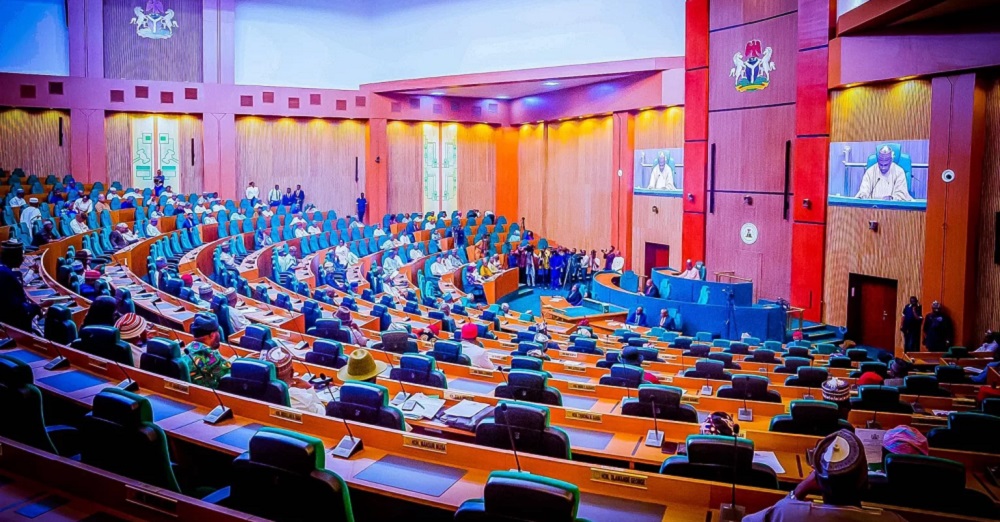
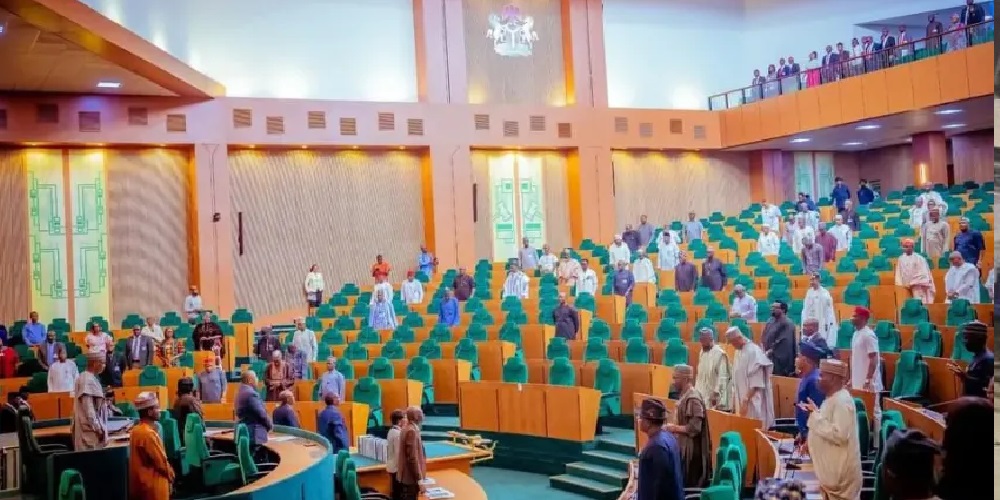
The House of Representatives has begun deliberations on a package of defence-related bills aimed at overhauling Nigeria’s military framework, enhancing the welfare of serving and retired personnel, and improving the Armed Forces’ capacity to confront the country’s increasingly complex security challenges.

The two-day public hearing, which opened on Monday at the National Assembly Complex, attracted lawmakers, military personnel, veterans, civil society groups and policy experts. Discussions centred on legislative proposals designed to modernise military operations, strengthen accountability and address emerging threats to national security.

Advertisement

Opening the hearing, Speaker of the House of Representatives, Rt. Hon. Tajudeen Abbas, said the proposed reforms were a direct response to the changing nature of insecurity across the country and formed an important part of the legislative priorities of the 10th House.

He pointed to the persistent threats facing Nigeria, including insurgency in the North-East, banditry and kidnappings in the North-West, farmer-herder clashes in the North-Central, separatist agitations in the South-East, as well as newer challenges such as cyber warfare, maritime piracy and organised criminal networks with links to terrorism.

“We cannot pretend that our nation is at ease. Our Armed Forces are stretched, yet they remain our first and last line of defence,” the Speaker said.

According to Abbas, the bills seek to strengthen the legal and institutional foundations of the military, ensuring that the Armed Forces become more effective, accountable, inclusive and adaptable to contemporary security realities.

Advertisement

Among the key proposals before lawmakers is a bill to establish an Armed Forces Farms and Ranches Scheme aimed at boosting food security, particularly in areas affected by conflict. Other measures include legislation to improve gender representation within the military, a proposal to repeal and replace the Armed Forces Act with a new Nigerian Military Force Bill, and a bill seeking the creation of a Veterans’ Federation of Nigeria to enhance support for retired service personnel.

The issue of veterans’ welfare featured prominently during the proceedings, with retired military personnel advocating stronger representation in the proposed welfare framework and greater involvement in decisions affecting former members of the Armed Forces.

Abbas assured participants that the public hearing will not be treated as a mere formality, stressing that all contributions would receive careful consideration before the bills return to the House.

“I give you my word every memorandum will be read, every oral presentation will be noted, and all relevant contributions will be considered and, where applicable, incorporated into the final reports and bills,” Abbas assured stakeholders.

Advertisement

He encouraged active participation from serving and retired military officers, civil society organisations, legal practitioners, gender advocates and members of the public, noting that innovative legislation would be essential in responding to the country’s multifaceted security concerns.

The Speaker also commended the House Committee on Defence for organising the hearing and expressed confidence in the committee’s ability to manage an open, transparent and inclusive process.

“We are here to serve the Nigerian people and to produce legislation that will make our Armed Forces more professional, more accountable, more gender-sensitive, and more effective in protecting lives and property,” he said.

In his welcome address, Chairman of the House Committee on Defence, Babajimi Benson, described the public hearing as a critical democratic exercise designed to ensure stakeholder participation in the lawmaking process.

Advertisement

According to Benson, defence legislation directly impacts national sovereignty, military effectiveness, operational readiness and the safety of Nigerians, making public input essential.

“The importance of public participation becomes even more significant when dealing with matters of defence and national security,” he said.

He explained that the bills address key areas including military education and professional development, joint operational effectiveness, medical training and healthcare support, strategic research and doctrine development, military governance reforms, food security initiatives, veterans’ welfare and inclusiveness within the Armed Forces.

“Collectively, these proposals represent an important effort to build a stronger, more professional, innovative and future-ready military institution,” Benson stated.

Advertisement

The lawmaker encouraged stakeholders to make oral presentations and submit memoranda, assuring them that all submissions would be carefully reviewed by the committee.

He also paid tribute to officers and soldiers of the Armed Forces of Nigeria for their dedication and sacrifices in safeguarding the nation despite difficult operating conditions.

The hearing also witnessed strong reactions from some veterans who expressed reservations about aspects of the proposed Veterans’ Federation of Nigeria Bill.

Supporters of the proposed (VFN) Bill urged lawmakers to adopt a framework they said aligns with international best practices for veterans’ welfare and representation.

Advertisement

In a policy brief submitted to the Committee, G.A Olonisakin speaking on behalf of veteran stakeholders argued that the debate surrounding the bill should focus on facts, global standards and the welfare of Nigerian veterans rather than on institutional sentiments or nomenclature.

The memorandum noted that in countries such as the United States, the United Kingdom, Canada and Australia, veterans’ organisations such as the American Legion, the Royal British Legion and the Royal Canadian Legion operate as non-governmental charitable associations rather than statutory government bodies.

According to the submission, responsibility for veterans’ welfare in those countries rests with dedicated government agencies, including the United States Department of Veterans Affairs, Veterans Affairs Canada, the United Kingdom’s Office for Veterans Affairs and Australia’s Department of Veterans Affairs.

The stakeholders further argued that Nigeria’s current arrangement, in which the Nigerian Legion combines the roles of both an association and a statutory government body, is uncommon internationally.

Advertisement

They maintained that the proposed VFN model would bring Nigeria closer to global standards by creating a government-driven umbrella body for veterans while preserving the identities of existing associations.

“The proposed Veterans Federation of Nigeria follows international practice by creating one umbrella body for all veterans and veterans’ associations, ensuring inclusiveness across Army, Navy and Air Force veterans, strengthening welfare coordination and improving engagement with government,” the memorandum stated.

The submission also sought to allay fears that the bill would undermine the Nigerian Legion, stressing that the federation would not erase the Legion’s history, traditions or identity.

Rather, it said, the Nigerian Legion would continue to exist as one of the recognised constituent bodies within the proposed federation alongside other veterans’ associations.

Advertisement

The position contrasted with concerns raised by some retired personnel who argued that the bill concentrates leadership positions in the hands of senior officers and called instead for the establishment of a standalone Ministry of Veterans Affairs headed by veterans.

The differing perspectives highlighted the intense interest among stakeholders in shaping the future structure of veterans’ welfare and representation in Nigeria, one of the key issues under consideration during the two-day public hearing.

Also a retired non-commissioned officer and legal practitioner,  Sadiqe Nwabuezeh who identified himself as a former sergeant in the Nigerian Army, argued that the draft legislation was overly tilted in favour of senior military officers and failed to adequately accommodate the interests of rank-and-file veterans.

According to him, provisions of the bill appeared to reserve key leadership positions for retired senior officers, including the office of the Director-General, which he said was proposed to be occupied by a retired major general.

Advertisement

He urged lawmakers to reject the bill in its current form and instead consider the establishment of a dedicated Ministry of Veterans Affairs that would be managed by veterans themselves.

“The bill was not properly prepared. It was rushed and concentrates power in the hands of senior officers. We want a level playing ground where all veterans, regardless of rank, can participate in leadership and decision-making,” he told the hearing.

The retired soldier further questioned the involvement of serving military personnel and civilians in handling veterans’ affairs, arguing that retired personnel were best positioned to manage issues affecting former service members.

He maintained that veterans should have greater control over institutions established for their welfare and called for reforms that would guarantee broader representation across all ranks of retired military personnel.

Advertisement

The submission added to a range of perspectives presented by stakeholders as lawmakers continued deliberations on proposals aimed at reforming military administration, strengthening veterans’ welfare and enhancing the effectiveness of Nigeria’s defence sector.

The two-day hearing is expected to produce recommendations that will guide the House Committee on Defence in finalising the bills before their consideration by the House of Representatives.

The hearing is expected to continue on Tuesday, with stakeholders presenting memoranda and recommendations that could shape the future of Nigeria’s military and veterans’ support systems.

Advertisement
Continue Reading

News

ECOWAS Parliament Pushes Renewable Energy as Key to Unlocking Rural Prosperity

Published

on

ADVERTISEMENT
Zoom Ad
ADVERTISEMENT
Zoom Ad

…as lawmakers, experts, development partners seek practical solutions to West Africa’s electricity deficit

By Gloria Ikibah

The ECOWAS Parliament has opened a five-day high-level meeting in Dakar with a renewed call for greater investment in renewable energy, positioning rural electrification as a critical tool for economic growth, job creation and sustainable development across West Africa.

The Delocalised Joint Committee Meeting brings together parliamentarians, government officials, energy specialists, development partners and private sector stakeholders to examine ways of expanding electricity access in rural communities, where millions of residents remain disconnected from reliable power despite the region’s vast renewable energy resources.

Advertisement

The gathering is expected to focus on policy reforms, financing mechanisms and legislative frameworks needed to accelerate the deployment of clean energy solutions throughout the sub-region, under the theme, “Harnessing Renewable Energy for Rural Electrification and Empowerment of Rural Economies in the ECOWAS Region: The Role of the ECOWAS Parliament” .

Declaring the meeting open on behalf of the Speaker of the ECOWAS Parliament, Rt. Hon. Hadja Memounatou Ibrahima, the Fourth Deputy Speaker, Hon. Billay Tunkara, emphasised that renewable energy must be viewed not only as a means of supplying electricity but also as a powerful instrument for transforming rural economies.

“Renewable energy is not merely a technical response to electricity demand. It is a key driver in transforming economic activities, particularly in rural areas,” he said.

Tunkara commended Senegal for its commitment to energy transition efforts and acknowledged the country’s drive towards greater energy independence. He noted that investments in solar power and diversification of energy sources had contributed significantly to improving electricity access in rural communities.

Advertisement

He also called on member states to intensify efforts to ensure that renewable energy becomes a vehicle for inclusive growth and social development across the region.

“Together, let us make rural electrification through renewable energy a catalyst for the economic empowerment of women, young people and farmers. Access to clean energy is a fundamental right, a factor in social peace and a driver of sustainable development”, he added.

The Deputy Speaker further urged governments across the ECOWAS region to strengthen support for renewable energy programmes through innovative financing arrangements, technology transfer initiatives, local manufacturing and stronger parliamentary oversight of regional energy policies.

In his welcome remarks, Head of the Senegalese Delegation to the ECOWAS Parliament, Hon. Guy Marius Sagna, described the conference as a crucial opportunity for West Africa to advance its quest for energy sovereignty and sustainable development.

Advertisement

He expressed concern that electricity access in many rural areas remains critically low despite the region’s abundant renewable energy potential.

“Our country, the Republic of Senegal, is deeply honored and truly enthusiastic to host this meeting, whose theme resonates particularly strongly as a call to action. A call to make the development of renewable energy a key component of our energy sovereignty.

“The figures speak for themselves. In our ECOWAS region, access to electricity for rural households is still capped at around 12 percent, while our region boasts exceptional solar potential. This gap between our resources and their exploitation is a challenge that we must collectively and urgently address”, he added.

According to Sagna, achieving energy independence is essential to addressing broader socio-economic challenges such as poverty, unemployment, food insecurity and underdevelopment.

Advertisement

Earlier, Chairperson of the Joint Committee on Energy and Mines, Agriculture, Environment and Natural Resources, and Infrastructure, Hon. Fanta Conte, highlighted the urgency of tackling the widening gap between energy demand and supply across the region.

“Less than 40 percent of the rural population has access to electricity. In some of our Member States, this rate falls below 10 percent in the most remote areas,” she said.

Conte noted that inadequate electricity access continues to undermine healthcare services, agricultural productivity, educational opportunities and income generation, particularly for women and young people living in rural communities.

She also emphasised the responsibility of lawmakers in ensuring that regional energy policies are translated into effective national legislation and implemented successfully.

Advertisement

“Our role is to ensure that commitments made at the regional level, particularly the ECOWAS Renewable Energy Policy and the Energy Efficiency Action Plan, are effectively transposed into national legislation and, above all, implemented on the ground,” she stated.

The committee chair expressed optimism that the deliberations, which include technical sessions and a field visit to renewable energy projects in Mboursine village, would yield practical recommendations capable of accelerating rural electrification and driving sustainable economic growth throughout the ECOWAS region.

The meeting is expected to continue until June 19, culminating in recommendations aimed at strengthening regional energy cooperation and expanding access to clean, affordable and reliable electricity across West Africa.

Advertisement
Continue Reading

News

Nigerian Ports Record Global Leap as Apapa, Tin Can Gain World Bank Recognition

Published

on

ADVERTISEMENT
Zoom Ad
ADVERTISEMENT
Zoom Ad

By Gloria Ikibah

Nigeria’s maritime sector has received a major boost after the World Bank named the Apapa Port Complex and Tin Can Island Port Complex among the world’s 20 most improved ports, reflecting significant progress in operational efficiency and service delivery.

The recognition was contained in the 2025 Container Port Performance Index (CPPI), released by the World Bank in June 2026, which highlighted both Lagos ports for their notable improvements in vessel turnaround times and overall port performance.

The ranking is widely regarded as one of the most authoritative global assessments of port efficiency, measuring how quickly ships are serviced and cleared through ports. It provides a standardised, data-driven framework for comparing the performance of ports across different countries and regions.

Advertisement

The latest recognition comes amid ongoing reforms and modernisation efforts at Nigeria’s seaports, spearheaded by the Nigerian Ports Authority (NPA) under the leadership of its Managing Director, Dr Abubakar Dantsoho.

Industry observers say the improved ranking reflects sustained efforts to streamline port operations, reduce delays and enhance the competitiveness of Nigeria’s maritime gateways in the global shipping industry.

The latest recognition comes on the heels of the Nigerian Ports Authority’s pivotal role in sustaining Nigeria’s trade surplus. Through enhanced efficiency and improved port operations, the NPA has continued to provide the platform for Nigeria’s successive attainment of trade surpluses since 2024. Most recently, the National Bureau of Statistics (NBS) reported a trade surplus of ₦7.54 trillion in the first quarter (Q1) of 2026, highlighting the strategic importance of the nation’s ports to economic growth and international trade.

Reacting to the World Bank report, the Managing Director of the NPA, Dr. Abubakar Dantsoho, attributed the achievement to the investor-friendly policies of President Bola Ahmed Tinubu and the support of the Minister of Marine and Blue Economy, Adegboyega Oyetola.

Advertisement

“With the investor-friendly policies of President Bola Ahmed Tinubu providing the impetus for increased investment to drive our port infrastructure and equipment modernization programme, coupled with the unflinching support of the Honourable Minister of Marine and Blue Economy, Adegboyega Oyetola, we have all it takes to further enhance trade facilitation, improve competitiveness and boost the national economy.”

The inclusion of Apapa and Tin Can Island ports in the global Top 20 for improvement marks a significant milestone for the country’s maritime sector, which has in recent years pursued measures aimed at boosting efficiency, attracting investment and strengthening Nigeria’s position as a regional trade hub.

The Container Port Performance Index serves as an important benchmark for governments, port operators and investors by identifying ports that are making measurable progress while also highlighting areas requiring further operational improvement.

For Nigeria, the latest ranking is expected to reinforce confidence in ongoing port reforms and support efforts to improve trade facilitation, logistics performance and economic competitiveness.

Advertisement
Continue Reading

Trending

Copyright © 2024 Naija Blitz News