

MOFI Boss Says Outdated Law Limiting Government Asset Management

By Gloria Ikibah

ADVERTISEMENT
Zoom Ad
ADVERTISEMENT
Zoom Ad

The Managing Director of the Ministry of Finance Incorporated (MOFI), Dr. Armstrong Takang, has said that the agency’s current legal framework is outdated and unable to meet the demands of modern asset management.

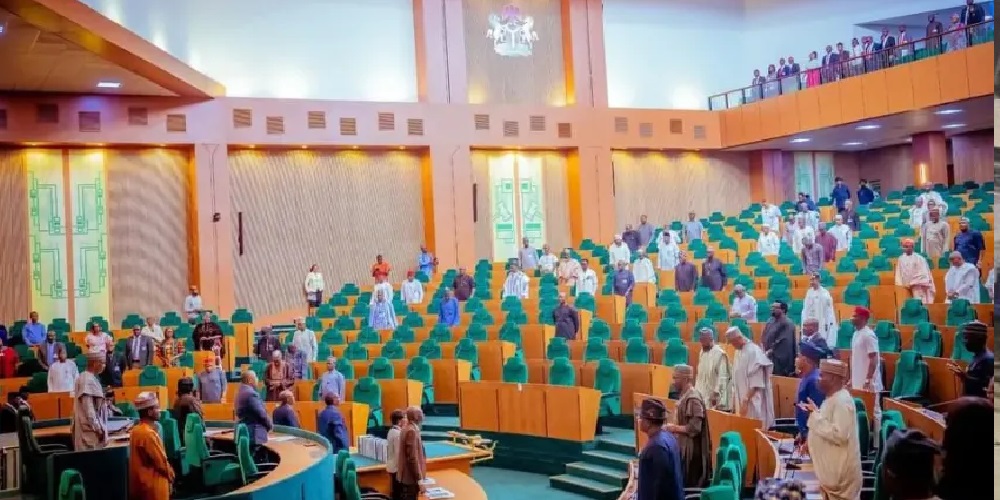
Speaking at a public hearing on “A Bill for anAct to Repeal The Ministry of Finance Incorporated Act, Cap M229 Laws of the Federation of Nigeria 2024, and Any Amendments Thereto, and to enact the Ministry of Finance Incorporated (Establishment, Etc.) Act in Abuja on Monday in Abuja on Monday, Dr. Takang supported the proposed repeal and replacement of the existing MOFI Act.

Advertisement

He explained that updating the law would help unlock the full value of government-owned assets, estimated at around N100 trillion.

According to him, the new law would provide a structure to ensure that state-owned enterprises are run more professionally, leading to better economic returns and higher revenue for the country.

He said the changes would lead to increased dividend payments, stronger asset performance, and improved returns from investments held by the federal government.

Dr. Takang also noted that the bill would enable MOFI to set up a complete and up-to-date record of government assets and liabilities, helping to boost transparency, efficiency, and value across the board.

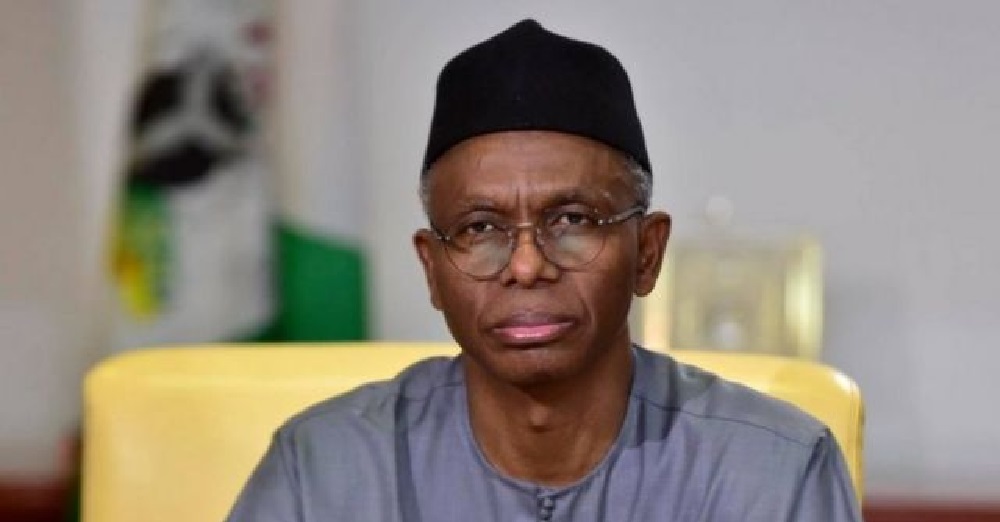
“MOFI has been restructured as the investment arm and assets manager of the Federal Government of Nigeria and mandated as custodian and active manager of all the federal government’s investment interests, assets, estates, easements, and rights. This new mandate positions MOFI as a strategic institution that supports the federal government’s efforts to address economic challenges and spur growth in the Nigerian economy. 
 
“MOFI’s strategic approach to executing its mandate involves -providing visibility over what the Federal Government owns; professionalising state-owned entities and other investment assets, ensuring they are effectively and efficiently managed to achieve greater economic impact.
 
“Delivering optimal risk-adjusted returns on FGN investments and assets in a consistent and sustainable manner; unlocking liquidity from FGN’s idle assets; and mobilising and investing capital in opportunities that are strategic to the nation’s economic and social development plans,” he submitted.
 
In his remarks, Speaker Tajudeen Abbas, who was represented by Rep. Billy Osawaru, said MOFI has consistently failed in its operations, to act in compliance with the laws and best practices since it was established  in 1959 and its legal framework updated in 2004.
 
The speaker said the agency required legal strengthening to be in a position to act more transparently on behalf of the Federal Government.
 
“We are here today as part of our critical legislative responsibilities to review and deliberate on the amendment of the aforementioned finance law to reposition it to comply with extant financial regulations and laws. 
 
“This public hearing provides a platform for you to make your contributions as stakeholders, experts, and interested parties to assist the House in repealing the Act and aligning it with contemporary realities. As lawmakers, our three cardinal responsibilities are oversight, lawmaking, and representation,” he said.
 
In their separate presentations, some federal government agencies such as Stock Exchange Commission supported the bill while Bureau for Public Enterprises(BPE) opposed the proposed legislation.
 
The BPE representative, Halima Halilu said the extensive asset management, investment and fund-raising powers proposed for MOFI in the bill need to be carefully reconsidered and hormonised with the extant statutes on powers and responsibilities of other agencies.
 
Speaking at the meeting, Chairman House Committee on the Finance, Rep. James Faleke said : “The amended Act is in tune with economic realities by providing necessary legislative frameworks to optimize the performance of MOFI to be in line with global best practices.
 
“The House Committee on Finance, National Assembly, has powers to make laws for the good, order and governance of the country are amply provided under section 4 of the Constitution of the Federal Republic of Nigeria 1999 (amended). Similarly, ORDER TWENTY RULE 54(1) (2) (a) & (c) OF THE Standing Orders of the 10th House of Representatives, the House Committee on Finance has oversight responsibility of the Ministry of Finance and its parastatals under it, as well as institutions responsible for governments investments in Banks and Statutory Corporations and Agencies.
 
“This public hearing is therefore to elicit inputs from the MOFI as an entity and other stakeholders as well as the general public, with a view to enhancing the performance of MOFI and to ensure adequate revenue generation for the government for sustainable national economic development.
 
“It is against these backdrops that the House of Representatives referred the MOFI Bill to the House Committee on Finance as the lead Committee to discharge legislative functions on the Bill together with the Committee on Public Assets and to revert to the House with necessary recommendation for passage.
 
“Consequently, the House Committee on Finance considers this public hearing a veritable legislative platform to galvanize public opinion on the way forward in the discharge of its legislative assignment to ensure effective passage of the Bill.
Add a Comment

Leave a Reply

Keep Up to Date with the Most Important News

By pressing the Subscribe button, you confirm that you have read and are agreeing to our Privacy Policy and Terms of Use
Advertisement