By Gloria Ikibah


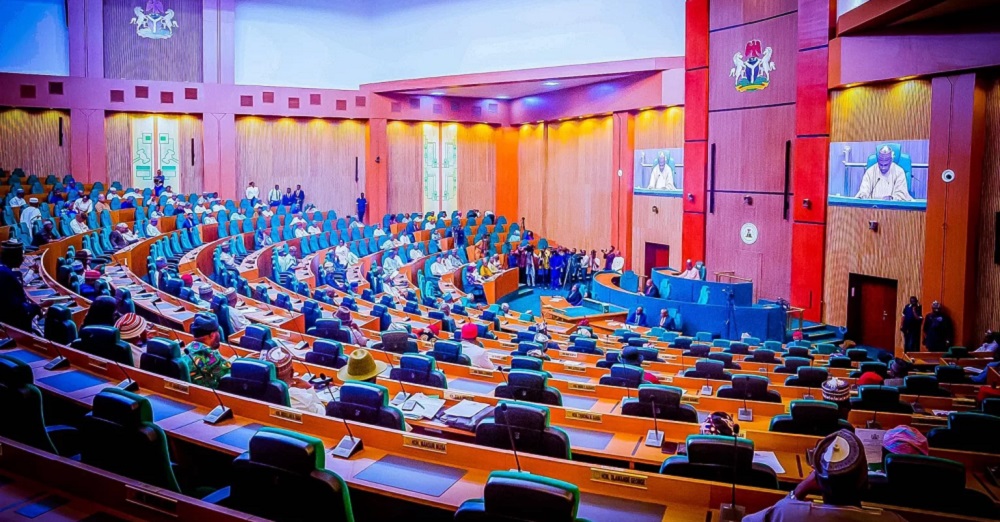
In a strategic move to strengthen economic integration across West Africa, high-level discussions were held between Nigeria’s Ministry of Foreign Affairs and the ECOWAS Parliament, with focus on ensuring effective execution of the Abidjan–Lagos Corridor project.
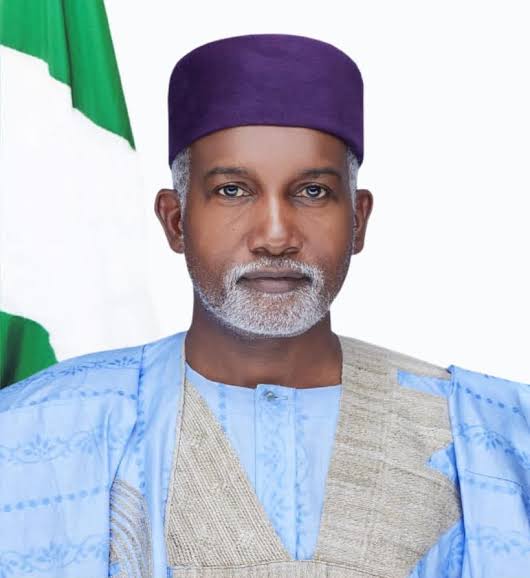
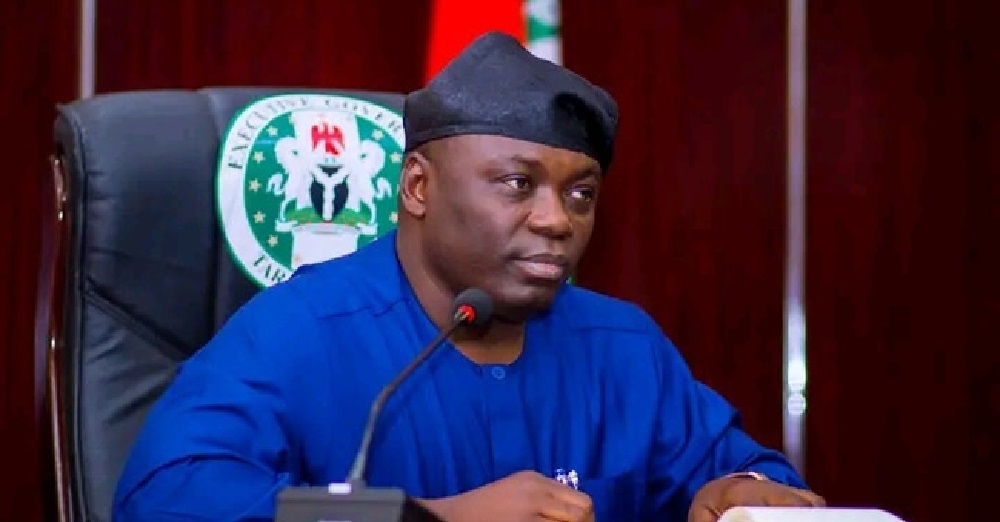
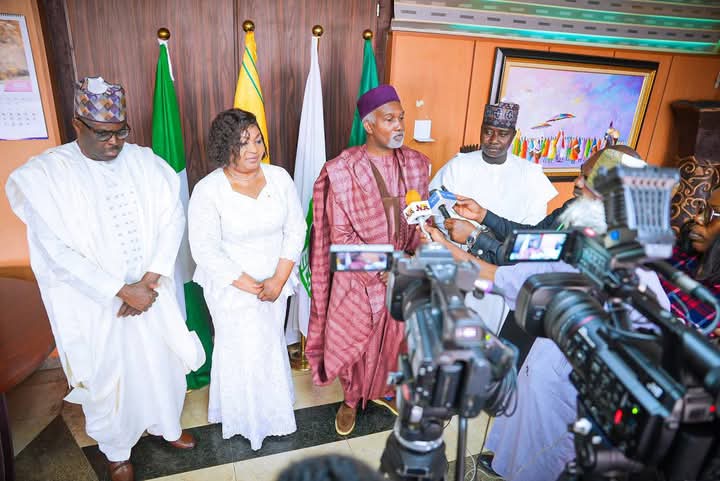
The dialogue was sparked by a courtesy visit to Nigeria’s Foreign Minister, Ambassador Yusuf Tuggar, by the Speaker of the ECOWAS Parliament, Rt. Hon. Memounatou Ibrahima, on Friday in Abuja. 
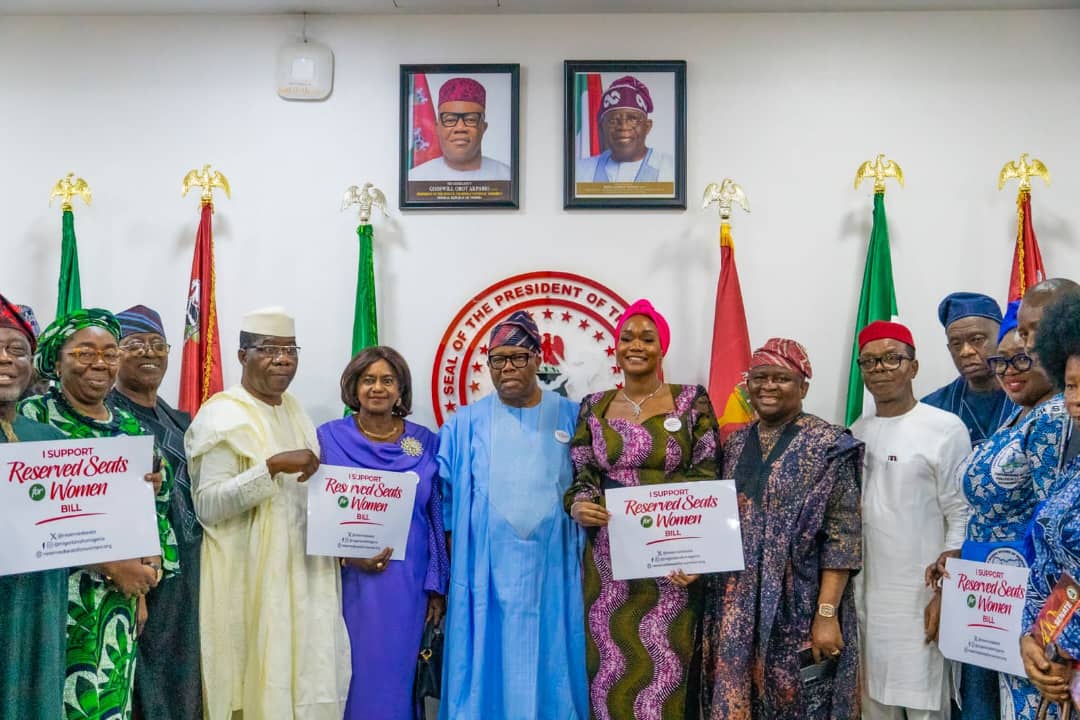
Speaker Ibrahima was joined by the Fourth Deputy Speaker Billay Tunkara and Secretary General Bertin Some, among others. The delegation sought to enhance cooperation with Nigeria in advancing key regional projects.
Briefing journalists after the closed-door meeting, Speaker Ibrahima emphasised the critical role Nigeria plays in regional progress and underscored the importance of joint efforts in fast-tracking the corridor initiative.
She noted that the partnership extends beyond infrastructure and includes broader goals aimed at delivering tangible benefits to citizens across the ECOWAS region.
The Abidjan–Lagos Corridor—a 1,028-kilometer transnational highway—will span Côte d’Ivoire, Ghana, Togo, Benin, and Nigeria, linking major coastal cities and serving as a key artery for commerce and mobility. Projected to impact over 170 million people by 2050, the corridor is seen as a transformative venture poised to reshape regional trade and connectivity.
Construction is projected to begin in 2026, with a completion timeline set for 2030. Upon delivery, the project is expected to unlock new industrial opportunities, increase access between urban and rural zones, and enhance cross-border cooperation among member states.
Speaking to reporters, Ambassador Tuggar reaffirmed Nigeria’s commitment to regional development goals, describing the ECOWAS Parliament as a vital institution for driving collective prosperity. He highlighted the Abidjan–Lagos highway as a cornerstone of regional strategy, calling it a “catalyst for economic transformation and competitiveness.”
The meeting in Abuja marks a key moment in the lead-up to a project that has the potential to redefine the socio-economic landscape of West Africa.