
…say annual road maintenance needs estimated at ₦880bn


…as Speaker Abbas call for review of funding mechanism
By Gloria Ikibah 
The Federal Ministry of Works has projected that an estimated ₦880 billion is required each year to ensure the proper upkeep of federal road networks nationwide.
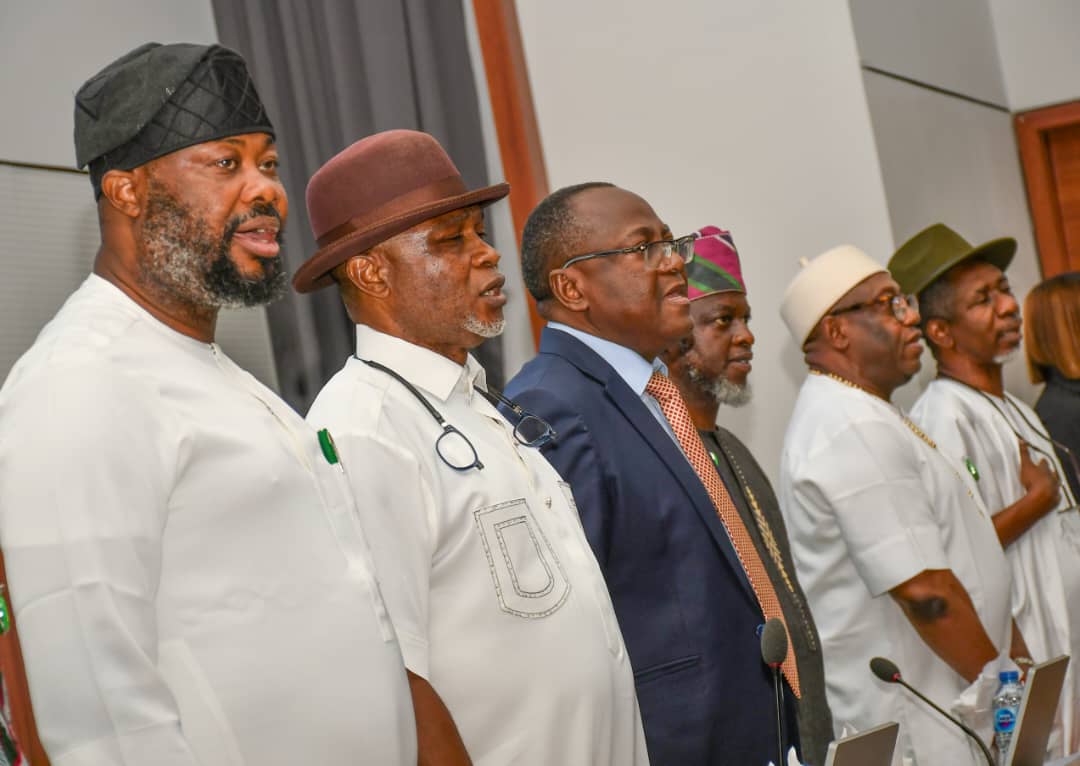
This was disclosed by the Minister of State for Works, Mohammed Bello Goroyo, during a session organised by the House of Representatives Ad-Hoc Committee reviewing the application of the 5% Road User Charge designated for the Federal Road Maintenance Agency (FERMA), held Monday in Abuja.
Goroyo who emphasised that inadequate and inconsistent financing continues to hinder progress in road infrastructure development, further noted that although the road user levy was introduced to address this financial gap, the relevant agencies have been unable to utilize the funds since the policy’s introduction in 2007.
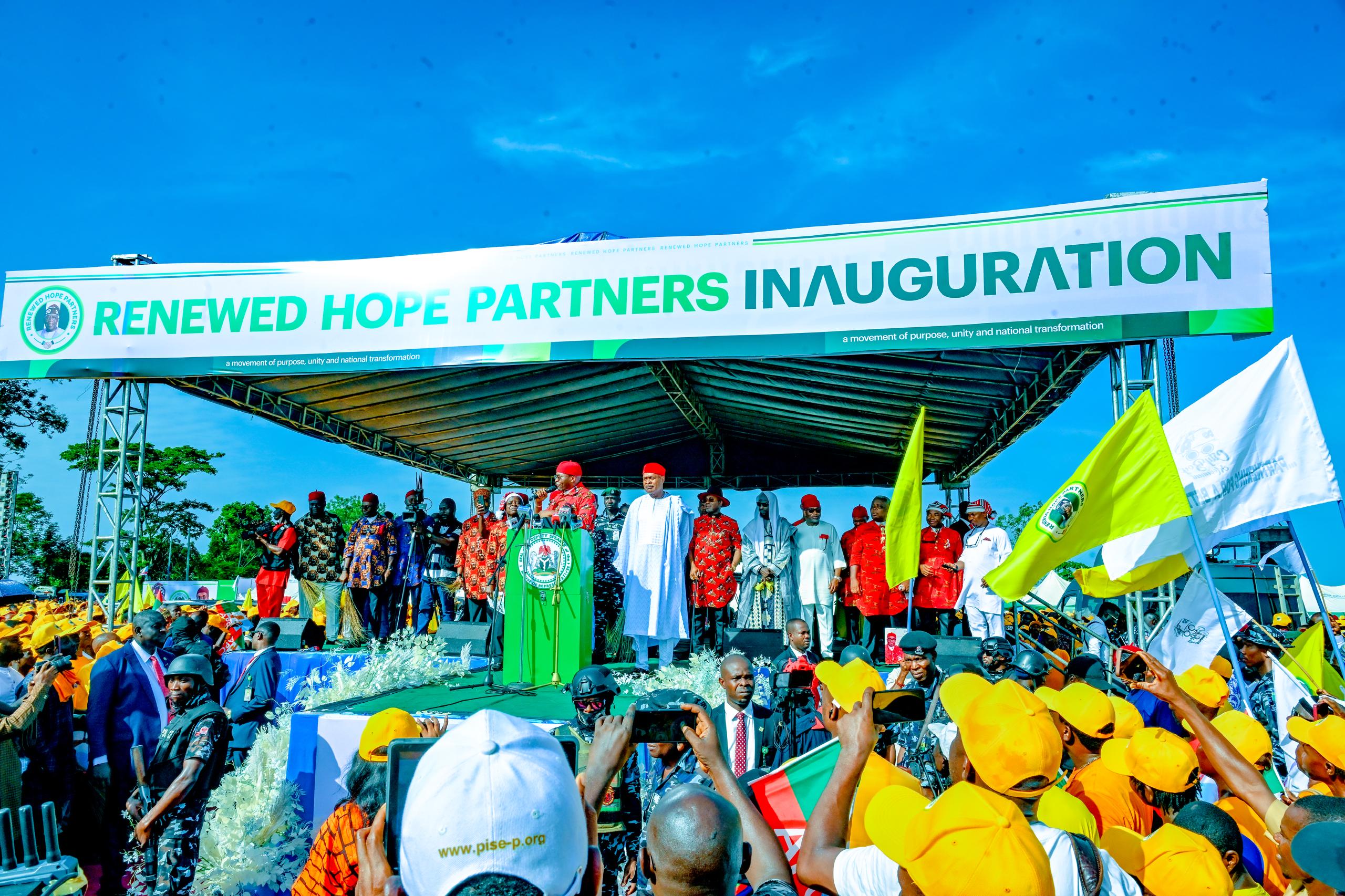
He said, “Under the visionary leadership of His Excellency, President Bola Ahmed Tinubu, GCFR, the Federal Ministry of Works remains steadfast in the Renewed Hope Agenda-an agenda dedicated to delivering world-class infrastructure that fosters economic growth, strengthens connectivity, and enhances the daily lives of our citizens.
“Our roads are the lifelines of commerce and social integration, and their maintenance is not merely a policy directive but a national imperative.
“The 5% user charge, as enshrined in the FERMA Act, was designed to serve as a sustainable funding mechanism for road maintenance and rehabilitation. However, for years, FERMA has grappled with severe funding inadequacies, hampering its ability to maintain our vast road network effectively.
“While the agency requires an estimated ₦880 billion annually for optimal road conditions, budgetary allocations have consistently fallen short—N76.3 billion in 2023, N103.3 billion in 2024, and N168.9 billion budgeted for 2025.
“Though these figures show gradual increases, they remain far below the necessary threshold for sustainable road maintenance. This persistent funding gap has forced FERMA into a reactive mode of maintenance rather than a preventive approach.
“The consequences of this are glaring-deteriorating road conditions, increased repair costs, and prolonged disruptions for commuters and businesses alike. A proactive strategy, backed by adequate funding, is essential to ensuring smooth, safe, and efficient roadways nationwide.
“Thus, the diligent implementation and timely remittance of the 5% user charge are paramount. This dedicated funding stream offers a viable solution to bridge the financial gap, providing consistent resources to address Nigeria’s infrastructure needs without over-reliance on annual budget appropriations”.
Goroyo described the committee’s inquiry as a constructive initiative aimed at uncovering operational bottlenecks and developing stronger frameworks for optimal use of public funds.
He reiterated the commitment of the Federal Ministry of Works and FERMA to full engagement in the process and will make available all necessary records and materials to support a thorough evaluation.
He also emphasised the Ministry’s strong commitment to ensuring that revenues generated through the road user charge are applied effectively toward infrastructure goals—improving connectivity, supporting local economies, and enhancing mobility for all Nigerians.
“The insights gained from this investigation will not only enhance public trust but also reinforce the integrity of the Renewed Hope Agenda, translating policy into tangible improvements in our national infrastructure”, he added.
Also in his submission, Managing Director of FERMA, Chukwuemeka Agbasi, highlighted that the designated deductions from fuel pricing intended to fund road maintenance have yet to be enforced. He explained that both the former Petroleum Products Pricing Regulatory Agency (PPPRA) and its successor, the Nigerian Midstream and Downstream Petroleum Regulatory Authority (NMDPRA), have not operationalised the directive.
According to the FERMA Boss, despite efforts in the past, the agency has not been able to access the charge as those who are supposed to implement it has failed to present a template for the implementation.
He said former President Goodluck Jonathan gave a presidential directive in 2011 for the release and implementation of the template, adding that after that, nothing has been about it.
Opening the session, Speaker of the House of Representatives, Rep. Abbas Tajudeen, who was represented by Minority Leader, Rep. Kingsley Chinda, reflected on an earlier resolution passed by the House on March 19, following a motion raised by a member regarding the non-implementation of provisions in the Federal Roads Maintenance Agency (FERMA) Amendment Act of 2007.
The motion, which highlighted the lack of enforcement surrounding the 5% user levy on petroleum products intended for road infrastructure support, prompted the formation of the current ad-hoc committee to examine why the responsible agencies have not adhered to the provisions outlined in the Act.
Speaker Abbas referenced Section 14(1)(h) of the amended law, which mandates that 5% of the cost of petrol and diesel should be allocated between FERMA and state-level maintenance agencies in a 40/60 distribution ratio.
He noted that despite multiple interventions and oversight efforts by the National Assembly to encourage adherence to this requirement, implementation has remained elusive.
According to him, this, has limited the operational capacity of the agencies concerned and ultimately impacted citizens who rely daily on the road network.